Twisted World
Play Twisted World
Twisted World Screenshots

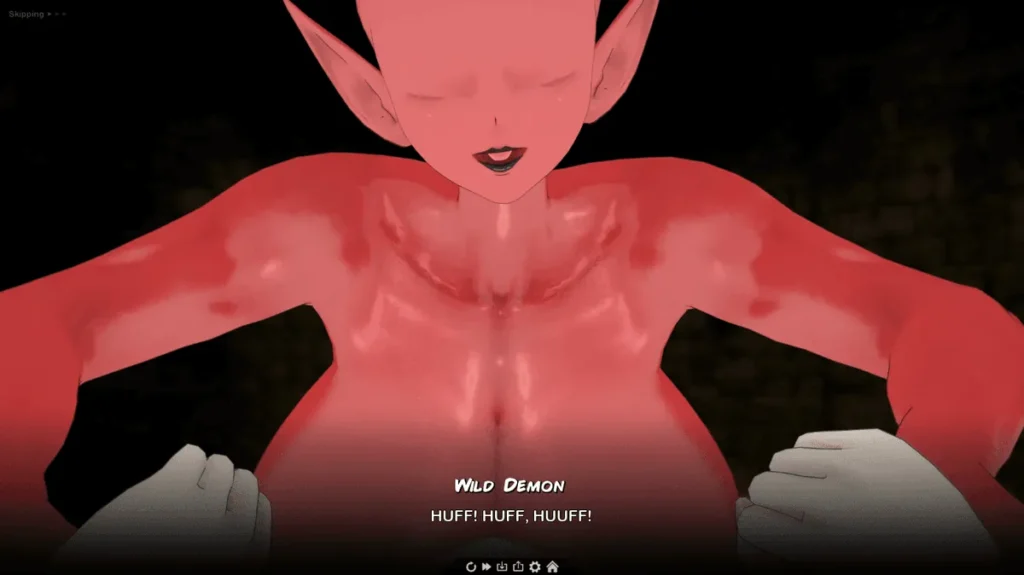
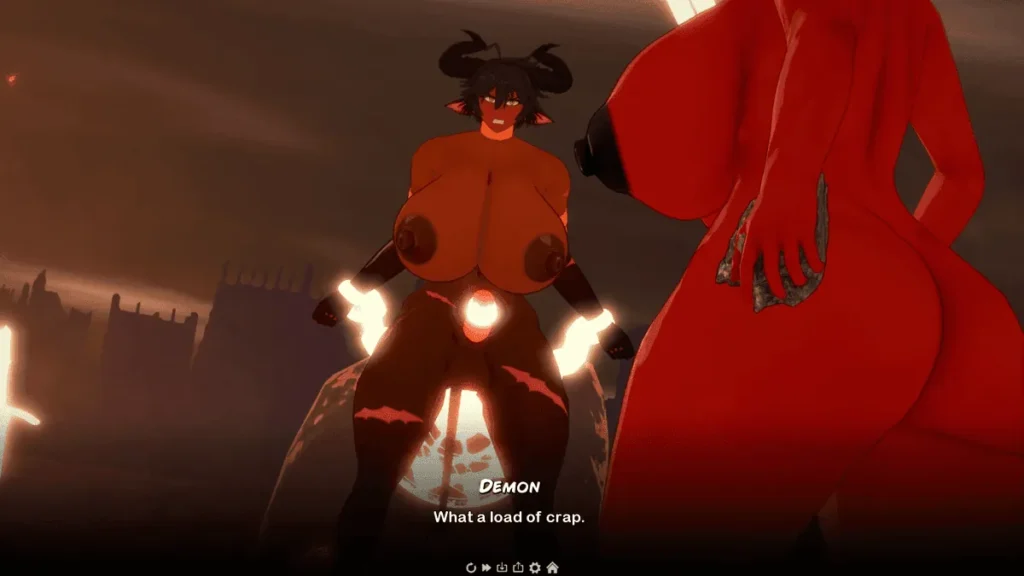
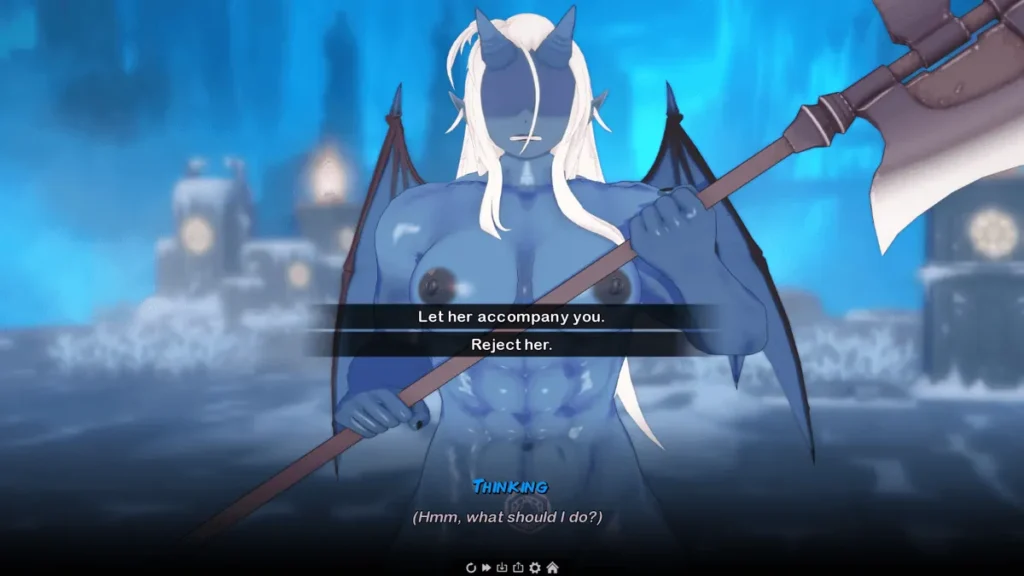
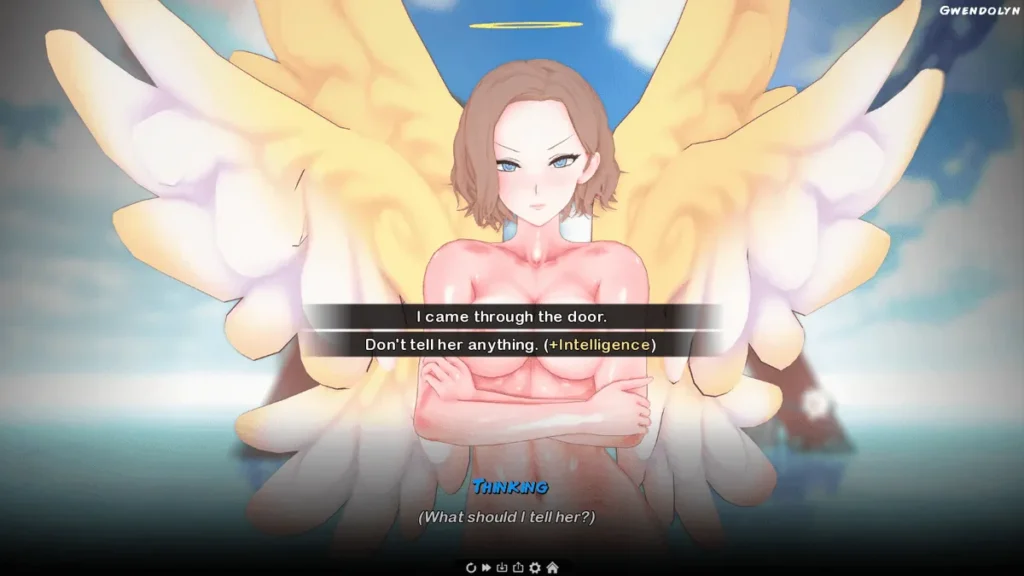
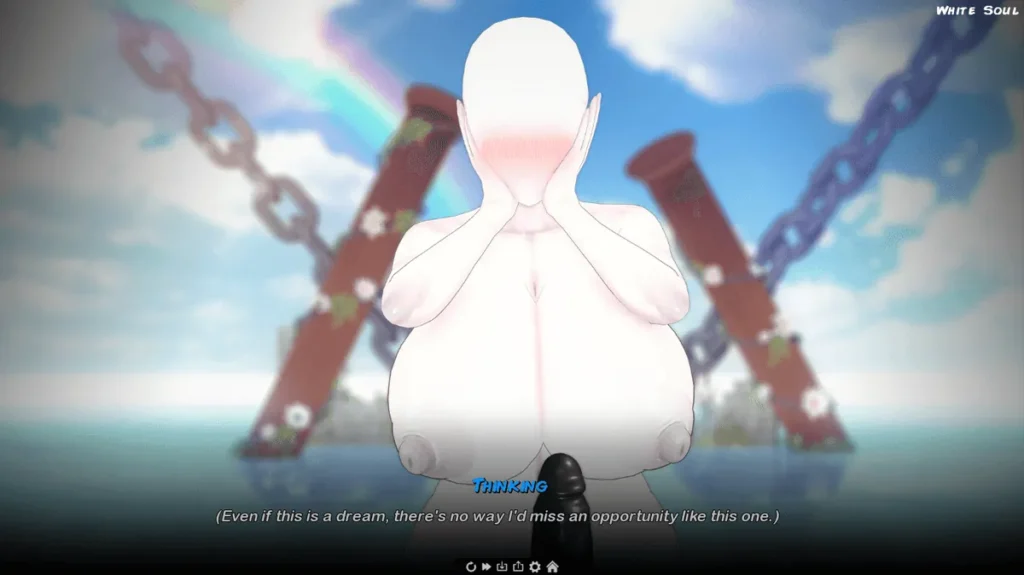
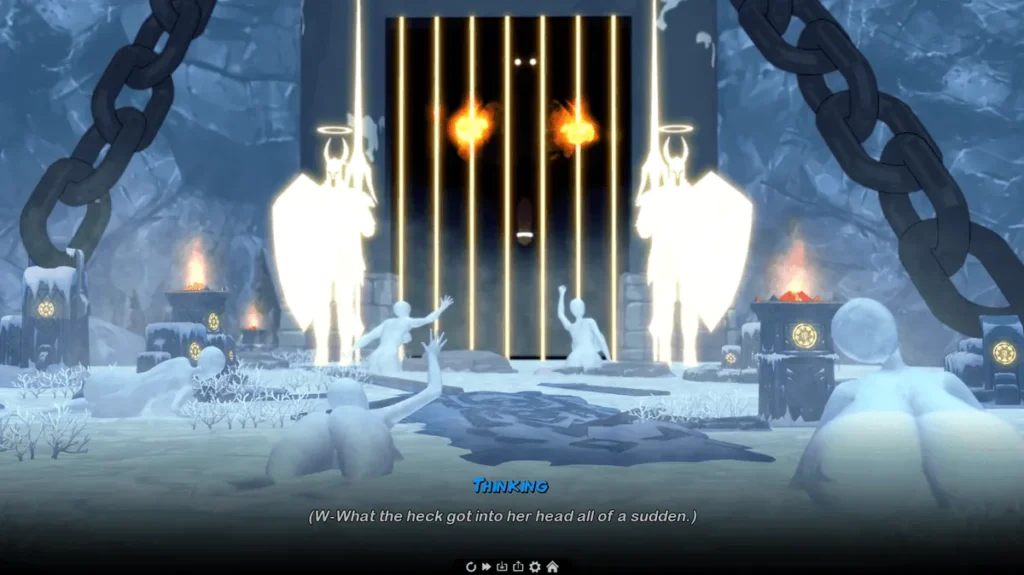
Twisted World review
A practical, player-focused walkthrough and analysis of Twisted World
Twisted World is a narrative-driven adult-oriented game that puts players into a parallel dimension with rewritten social rules and provocative scenarios, and this article unpacks everything you need to know to play, explore, and get the most from the experience. In the first paragraphs I’ll explain the game’s premise, why it’s notable, and what readers can expect from this guide so you can jump right into the parts that matter most to you. I’ll also share personal impressions from my play sessions and concrete tips that helped me progress through key scenes.
What is Twisted World? Overview and Story
So, you’ve heard the name and you’re curious. What exactly is Twisted World? 🤔 At its heart, it’s a narrative-driven adventure RPG from developer Echo Noir Studios, available on PC, PlayStation, and Xbox. It’s a game that asks one deceptively simple question: what if every unspoken social rule, every norm we take for granted, was suddenly inverted? This Twisted World overview will pull back the curtain on the game’s unsettling premise, its cast of complex characters, and the mature, choice-heavy story that has captivated players.
This isn’t just another dystopian shooter; it’s a psychological and social exploration where your words and moral choices carry far more weight than any weapon. Let’s dive into the mirror world and see what stares back.
Premise and Setting
The Twisted World premise is its brilliant, foundational hook. You play as Alex, an utterly ordinary person who, after a mysterious global event known as “The Shift,” finds themselves in a fractured version of our own reality. This isn’t a post-apocalyptic wasteland of rubble and monsters—at least, not in the traditional sense. The infrastructure is largely intact, but the social fabric has been torn apart and rewoven into something alien and hostile.
Here’s the twist: fundamental social contracts have reversed. Kindness is seen as a sign of weakness or manipulation. Blunt aggression and selfishness are the default modes of “polite” interaction. Asking for help is an unforgivable imposition, while demanding what you want is standard practice. Public displays of empathy are met with suspicion or ridicule. Imagine a world where cutting in line is polite, saying “please” is an insult, and offering someone a seat is a power play. This inverted logic creates a constant, low-grade tension that makes every interaction a deliberate puzzle.
The setting is a hauntingly familiar yet eerily wrong urban landscape. You’ll navigate spaces you recognize—subway stations, apartment complexes, corporate plazas—but they are governed by this bizarre new etiquette. The visual storytelling is masterful; faded posters advertise products promoting self-interest, public service announcements warn against “compliant behavior,” and the ambient conversations you overhear are jarring exercises in casual cruelty. The world itself feels like a character, one that is actively working against your ingrained human instincts.
I remember my first boot-up vividly. The opening cutscene showed Alex’s pre-Shift life: helping a neighbor with groceries, thanking a bus driver, the quiet civility of everyday life. Then, the screen flashed white. When the picture returned, Alex was doing the same actions in the new world. Offering help was met with a snarled “What’s your angle?” and a shoved aside. The bus driver demanded extra payment for the “service” of not driving off. That stark, immediate contrast didn’t just explain the rules—it made me feel them. My stomach dropped. It framed my entire playthrough not as a quest for power, but as a desperate struggle to hold onto my own humanity in a system designed to strip it away. I became obsessed with finding any flicker of decency, which completely shaped which characters I trusted and which paths I pursued.
Main Characters and Factions
In a world where trust is a liability, the Twisted World characters you meet are defined by how they’ve adapted—or failed to adapt—to the new normal. Your choices in dealing with them form the core of the Twisted World story.
Alex (The Player Character): You are the audience’s anchor. Your primary power isn’t combat prowess, but perception and choice. Alex is one of the few who remembers the world before The Shift, making you a living relic of a forgotten morality. Your dialogue options and actions constantly pit your “old-world” instincts against the harsh demands of survival, creating powerful internal conflict.
Major Characters:
* Kai: A pragmatic scavenger and your first major contact. Kai has fully embraced the new world’s logic, operating on a strict code of transactional selfishness. They are a survival guide, but their lessons often feel morally corrosive. Are they a cynical realist or someone who has lost too much to care?
* Dr. Aris: A former psychologist hiding in the ruins of a library. Aris is quietly studying The Shift, believing it to be a mass psychic incursion rather than a physical event. They represent the fragile hope of understanding and potentially reversing the change, but their methods are secretive and their sanity is questionable.
* The Magistrate: The chilling leader of the “New Accord,” the dominant faction in the city. Charismatic and ruthless, The Magistrate has codified the world’s new cruelty into laws and rituals, arguing that this brutal honesty creates a stronger, more efficient society. They are the ultimate antagonist of the status quo.
Key Factions:
Navigating the Twisted World narrative means choosing who, if anyone, to align with.
| Faction Name | Philosophy / Goal | Role in the Story |
|---|---|---|
| The New Accord | Embraces the Shift as natural evolution. Seeks to institutionalize the new social order through strict rules and harsh punishment for “retrograde” (kind) behavior. | The dominant power. They are the primary obstacle for Alex, representing the pressure to conform completely. |
| The Echoes | A scattered network of individuals who, like Alex, remember the old world. They resist by secretly performing small acts of kindness, preserving art and music, and searching for a cause/cure for The Shift. | The potential allies. Interacting with them is risky but offers solace and a sense of purpose beyond mere survival. |
| The Pragmatists | No ideology, only survival. They see both the New Accord and Echoes as foolish. Their goal is to secure resources and power for themselves, exploiting the chaos. | Wild cards. They can be temporary, expensive allies or unpredictable enemies, depending on your negotiations. |
Narrative Tone and Themes
The Twisted World narrative is defined by its consistently tense, psychologically immersive tone. It’s a slow-burn thriller that gets under your skin. The game masterfully uses discomfort as a tool, making you dread simple conversations because you have to consciously select dialogue options that are rude or aggressive to succeed. The sound design—with its dissonant, ambient scores and harsh, overlapping city noises—constantly keeps you on edge.
This isn’t a game about good vs. evil in a classic sense. It’s about assimilation vs. integrity, and the cost of both. The mature themes are handled with a sharp, philosophical edge:
- The Nature of Morality: Is goodness innate or just a social construct? If no one is rewarded for it, does it have any value?
- Social Contagion: How much of our personality is truly us, and how much is performance for the people around us? The game suggests identity is frighteningly malleable.
- The Burden of Empathy: In this world, caring is a literal handicap. The story forces you to ask: when does empathy become self-destruction?
- Power and Communication: Language is reframed as a tool of dominance. Compliments are weapons, honesty is violence, and silence can be the only safe space.
Themes are explored through your choices, which are rarely black and white. You might have to verbally dismantle a vulnerable character to gain a Pragmatist’s trust, or sacrifice a crucial resource to perform a kindness that offers no gameplay benefit. The Twisted World story respects your agency, ensuring these dilemmas have tangible consequences on who lives, who trusts you, and what endings you unlock.
Story Beats to Watch For & How Choices Matter:
Your journey through this Twisted World overview of the plot will be unique, but key moments will shape your path:
- The First Alignment: Early on, you must choose to either publicly denounce a struggling Echo to gain favor with the New Accord, or help them and cement your status as an “outsider.” This sets your initial reputation with both major factions.
- The Library Siege: Dr. Aris’s hideout is discovered. Do you help defend it (risking everything for knowledge), use the chaos to loot Aris’s research for your own gain, or sell the location to the highest bidder?
- Kai’s Final Transaction: Your relationship with the ultimate survivor culminates in a raw deal. They will demand something profoundly personal in exchange for a key to the final area. Refusing means finding a much harder, longer path.
- The Confrontation with The Magistrate: The final act is less a battle and more a philosophical debate armed with your actions as evidence. The ending you get—whether it’s overthrowing the system, becoming its new leader, escaping it, or being crushed by it—is determined by the moral consistency (or inconsistency) of every choice you made.
The genius of Twisted World is that it doesn’t judge you. It simply shows you the world your choices are building. Every cruel line spoken to get ahead, every secret kindness performed at great cost, is logged in a hidden “Moral Compass” that shifts not between good and evil, but between Assimilation and Memory. This metric, invisible to you during play, is the true key to the game’s multiple, profoundly different endings. Will you become a monster to fight monsters, or will the world twist you into its image? The only way to know is to step inside. 🕵️♂️🌀
Twisted World is a provocative, narrative-heavy title that rewards careful choice-making and thoughtful engagement with its systems and community. This guide covered the premise, gameplay systems, installation and modding practices, step-by-step progression advice, and safety best practices so you can play deliberately and get outcomes you want. If you found the walkthrough and tips useful, try the recommended early-game checklist and consider joining an active community thread to compare routes; I’d love to hear about your experience and which route surprised you most.