Tales of Unity
Play Tales of Unity
Tales of Unity Screenshots
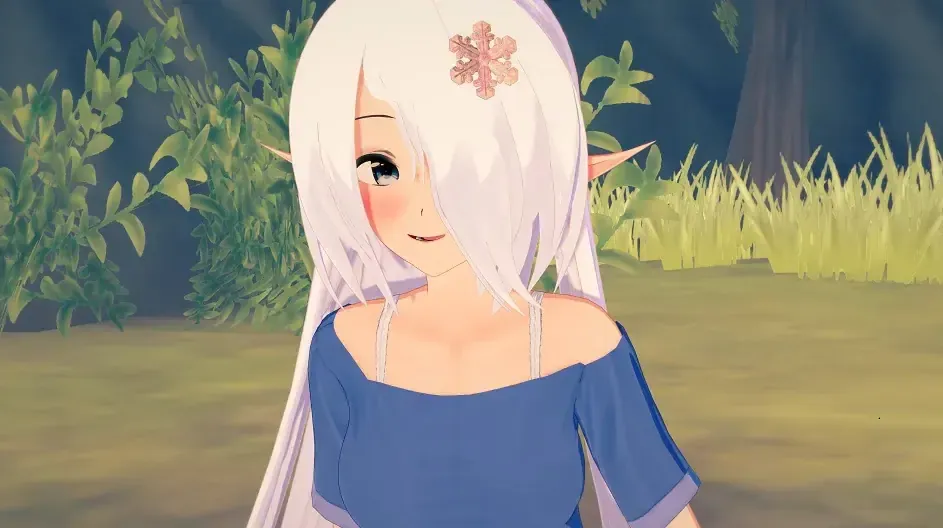
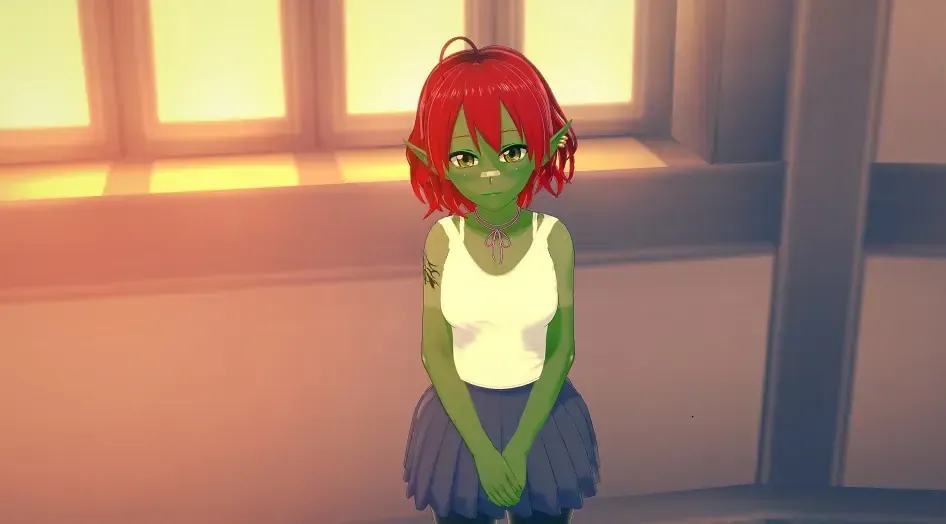
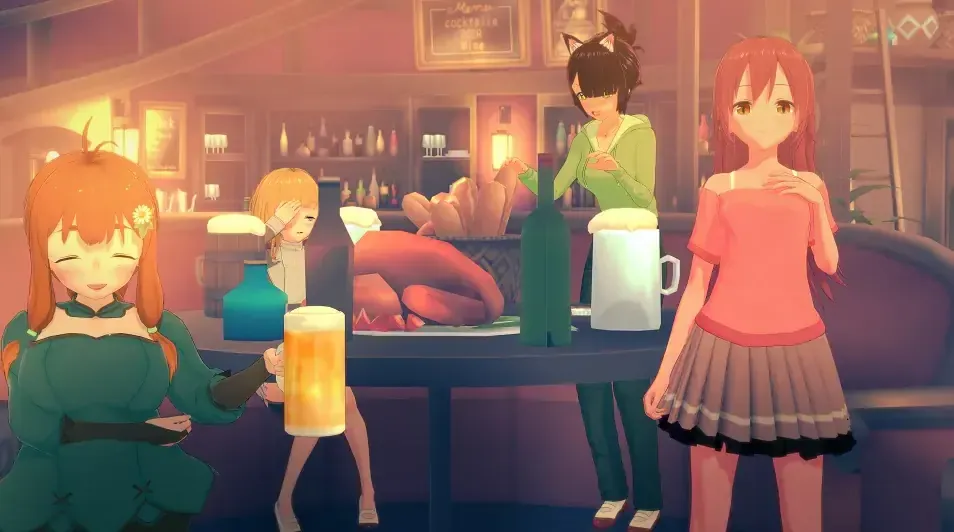
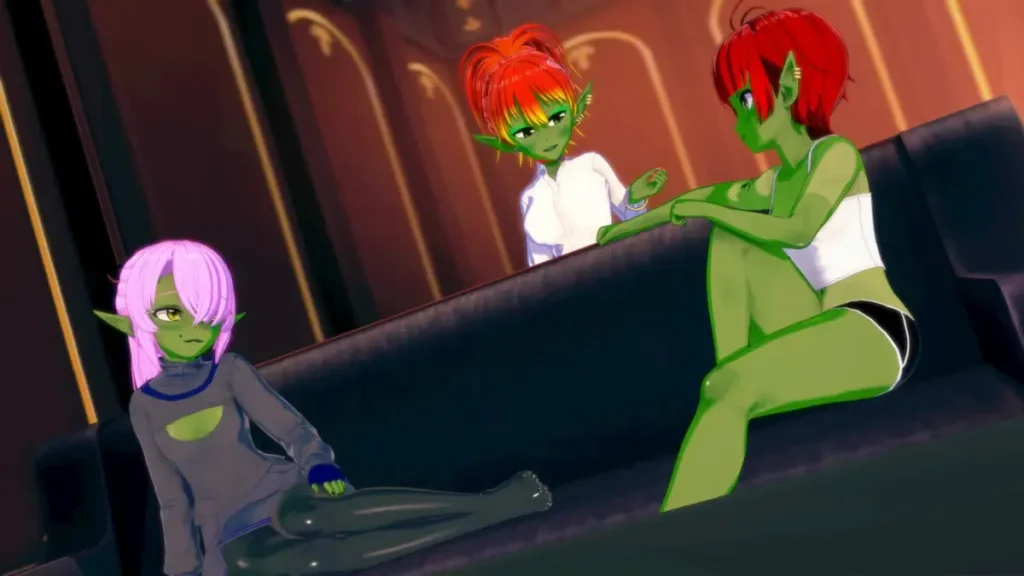
Tales of Unity review
Exploring how this narrative-driven game redefines character development and emotional engagement
Tales of Unity stands as a remarkable achievement in interactive storytelling, demonstrating that games in this category can deliver narratives as compelling and emotionally resonant as traditional gaming experiences. The game has garnered significant praise for its masterful approach to character development, engaging plot structure, and sharp comedic timing. Players consistently highlight how the game transcends typical expectations, offering deep character arcs and meaningful dialogue that rival mainstream titles. Whether you’re interested in narrative-driven experiences, character-focused gameplay, or simply discovering what makes modern interactive fiction compelling, Tales of Unity represents a significant milestone in how stories can be told through interactive media.
The Narrative Excellence of Tales of Unity
Ever picked up a game and been completely pulled into its world from the very first scene? That’s the magic of Tales of Unity. We’ve all played titles where the story feels like an afterthought, a flimsy excuse to move from one combat encounter to the next. But what happens when a game places its narrative at the absolute core of the experience? You get something special, something that doesn’t just entertain you but stays with you long after the credits roll. This is the achievement of Tales of Unity, a title that has quickly cemented itself as a modern benchmark for interactive fiction storytelling.
It proves, beyond a shadow of a doubt, that a game can be just as compelling, nuanced, and emotionally rich as any great novel or film. The secret? It treats its story not as a backdrop, but as the main event. Let’s pull back the curtain and explore exactly how this narrative-driven gem redefines what we should expect from our digital adventures. 🎭
Why Tales of Unity Stands Out as a Storytelling Masterpiece
Let me be blunt: many games have serviceable stories. Few have great ones. Tales of Unity falls squarely into the latter category, and it does so by mastering the fundamentals of pacing, stakes, and player agency. From the opening moments, you’re not just watching a story unfold; you’re living inside it, making choices that feel meaningful within a beautifully constructed world. The Tales of Unity narrative quality is immediately apparent in how it establishes its rules, its conflicts, and its heart.
What truly sets it apart is its unwavering commitment to cohesion. Every side quest, every character interaction, every discovered journal entry feeds back into the central themes of connection, sacrifice, and unity (hence the name!). There are no narrative dead-ends here. This meticulous design creates a sense of purpose that keeps you engaged for hours, always wondering what’s around the next corner. It’s a masterclass in maintaining narrative momentum without resorting to cheap cliffhangers.
“I’ve played dozens of story-rich games, from classic RPGs to visual novels, but Tales of Unity hit differently. The characters felt like real friends, and the plot twists landed with real emotional weight. It easily stands shoulder-to-shoulder with—and in many ways surpasses—other narrative titles I’ve loved. It’s not just a game; it’s a storytelling experience.” – A dedicated player’s review.
This sentiment echoes throughout the community. The game is frequently hailed as a masterpiece of storytelling because it understands that in an interactive medium, the player’s emotional journey is the ultimate goal. It’s not about overwhelming you with lore dumps or convoluted plots; it’s about making you care. Whether you’re navigating a tense political negotiation or sharing a quiet moment of respite at a campfire, the writing ensures you are invested. This focus on consistent, high-caliber Tales of Unity storytelling is what transforms it from a good game into an unforgettable one. ✨
Character Development and Emotional Depth
If the plot is the skeleton of a great story, the characters are its heart and soul. This is where Tales of Unity doesn’t just excel—it redefines expectations. Character development in interactive narratives often follows a predictable arc, but this game treats its cast not as archetypes, but as people. They have histories, insecurities, conflicting desires, and personal growth that occurs independently of your involvement. You witness their struggles, celebrate their small victories, and feel the impact of their losses.
Take, for instance, one companion’s storyline. Without spoilers, this character begins with a singular, driven purpose rooted in past trauma. Through your journey together, and through their interactions with the wider party, you see that armor slowly crack. They reveal fears, develop new loyalties, and even discover a capacity for humor they thought they’d lost. This isn’t triggered by a single dialogue choice; it’s a gradual, organic evolution shown through dozens of subtle moments. This commitment to Tales of Unity character depth makes every relationship feel earned and authentic.
The game’s true brilliance lies in its Tales of Unity emotional engagement. It achieves this through a simple yet powerful technique: giving characters room to breathe. Not every conversation is about the world-ending threat. Sometimes, characters will discuss a favorite book, reminisce about a childhood memory, or debate the merits of different cooking ingredients. These “slice of life” moments are not filler; they are foundational. They build a sense of shared history and camaraderie that makes the high-stakes, emotional climaxes land with devastating force. When a character is in peril, you panic not for a collection of pixels, but for a friend you’ve come to know intimately.
This is the core of its narrative power. The game understands that emotional resonance is built on a foundation of small, human details. It asks you to invest in these digital people, and in return, it gives you a story that feels genuinely impactful. The Tales of Unity storytelling framework is built to support this depth, ensuring that character and plot advancement are inextricably linked.
To illustrate how this focus elevates the experience, let’s see how it measures against other narrative-focused titles. While games like Hero’s Harem Guild offer fun interactions, Tales of Unity pushes further into genuine relational complexity.
| Narrative Element | Tales of Unity | Similar Narrative Titles (e.g., Hero’s Harem Guild) |
|---|---|---|
| Character Depth & Arc | Multi-faceted, organic growth shaped by world events and party dynamics. Motivations are complex and often morally gray. | Often features more archetypal characters with growth primarily tied to the player’s direct influence or romance routes. |
| Story Integration | Character personal stories are seamlessly woven into the main plot; side quests feel essential to world-building. | Main plot and character stories can sometimes feel like parallel, separate tracks. |
| Emotional Payoff | High impact, earned through consistent, subtle relationship building over many hours. | Payoff is often present but can rely more on isolated, intense scenes or romantic culmination. |
| Comedic Timing | Humor arises naturally from character personality clashes and situational irony, never undermining dramatic tension. | Comedy is often more overt and gag-based, which can sometimes clash with serious tones. |
Comedic Timing and Dialogue Quality
Alright, let’s talk about the secret weapon in Tales of Unity’s narrative arsenal: its dialogue. We’ve all suffered through cringe-worthy, exposition-heavy, or just plain dull conversations in games. In stark contrast, the dialogue writing in games reaches a high-water mark here. Every line feels considered, every exchange has purpose, and the voice acting (where present) brings an extra layer of authenticity that’s simply captivating. 🎤
The dialogue accomplishes three things masterfully: it develops character, advances the plot, and entertains. Often, it does all three at once. A conversation about repairing a broken wagon isn’t just a tutorial; it’s a chance to learn about one character’s pragmatic engineering mind, another’s impatience, and a third’s optimistic cheerleading. You walk away knowing more about the world and the people in it.
But let’s highlight the comedy, because it’s a masterclass in tone. The humor in Tales of Unity is almost always character-driven. It stems from the clashing personalities you’ve assembled in your party. The stoic warrior’s deadpan reaction to the mage’s overly elaborate plan. The rogue’s sarcastic commentary during a noble’s pompous speech. These moments land because you understand these characters intimately. The game never forces a joke; it simply creates situations where humor emerges naturally from the people involved. This perfect comedic timing provides necessary levity without ever breaking the dramatic tension of the overall story. It makes the world feel alive and grounded.
This excellence in dialogue is a pillar of Tales of Unity narrative quality. It ensures that interacting with the world is never a chore, but a constant delight. Whether you’re unearthing a deep secret through a cautious conversation or just listening to your companions bicker around the campfire, you are consistently engaged. The writing trusts the player’s intelligence, using subtext and implication rather than spelling everything out. This active engagement makes you feel like a participant in the story, not just a spectator.
In the end, the narrative triumph of Tales of Unity is a holistic one. It’s the seamless marriage of a compelling plot, profoundly deep characters, and whip-smart dialogue. It demonstrates that interactive fiction storytelling can deliver an emotional potency that rivals any other art form. It doesn’t just want to tell you a story; it wants you to live it, feel it, and carry a piece of it with you. That is the true mark of storytelling excellence, and it’s an experience that continues to resonate, setting a new standard for what a narrative-driven game can be. 🌟
Tales of Unity represents a significant achievement in interactive storytelling, proving that games in this medium can deliver narratives with the same emotional depth, character complexity, and engaging dialogue as any traditional gaming experience. The game’s masterful approach to character development, combined with its sharp comedic timing and compelling plot structure, creates an experience that resonates with players long after completion. By balancing humor with meaningful character moments and maintaining consistent narrative quality throughout, Tales of Unity has established itself as a benchmark for what interactive fiction can achieve. For anyone interested in experiencing how modern storytelling can transcend genre expectations and create genuinely engaging narratives, Tales of Unity offers a compelling case study in narrative excellence and player engagement.