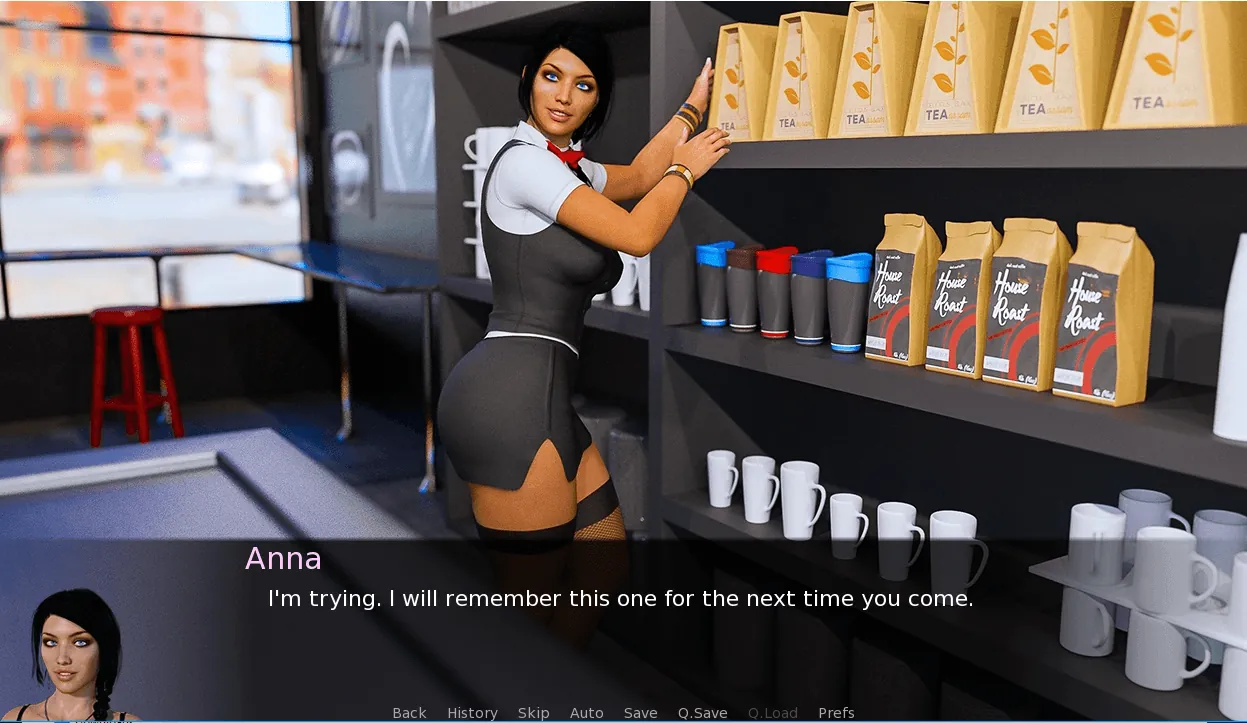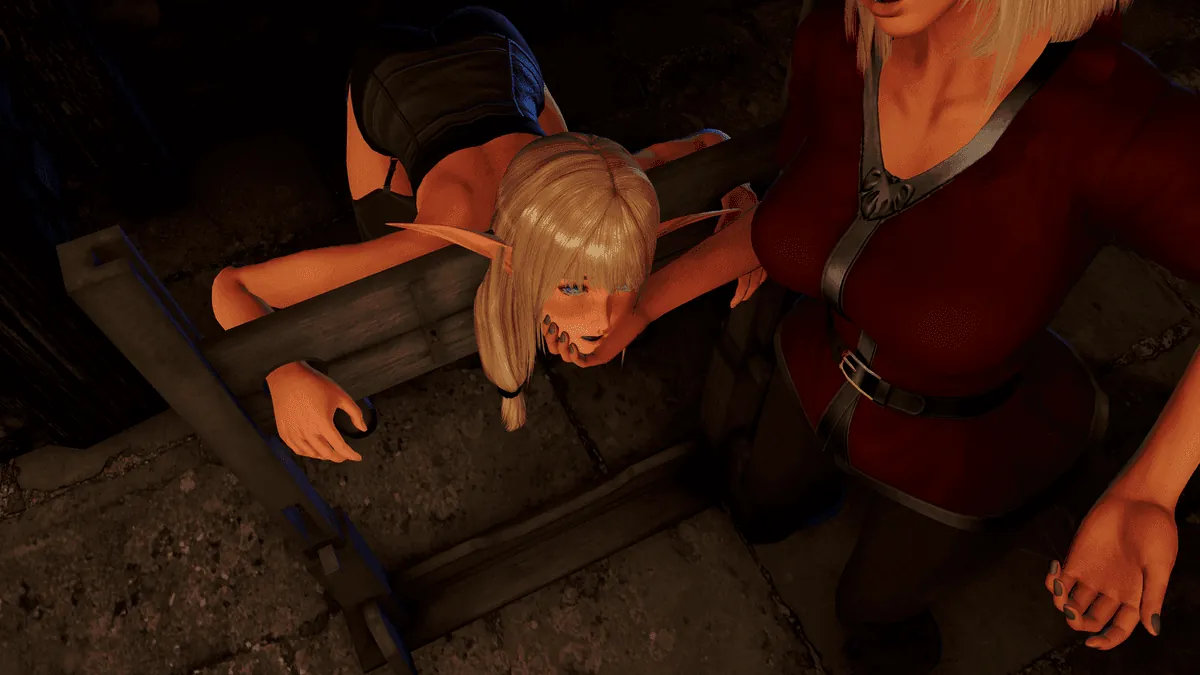
A House in the Rift
Play A House in the Rift
A House in the Rift Screenshots


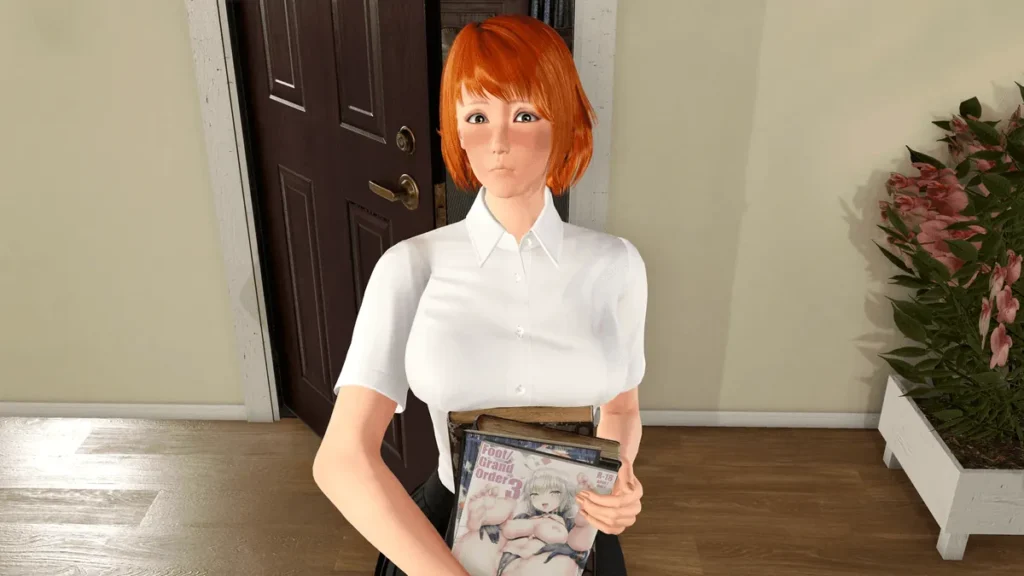







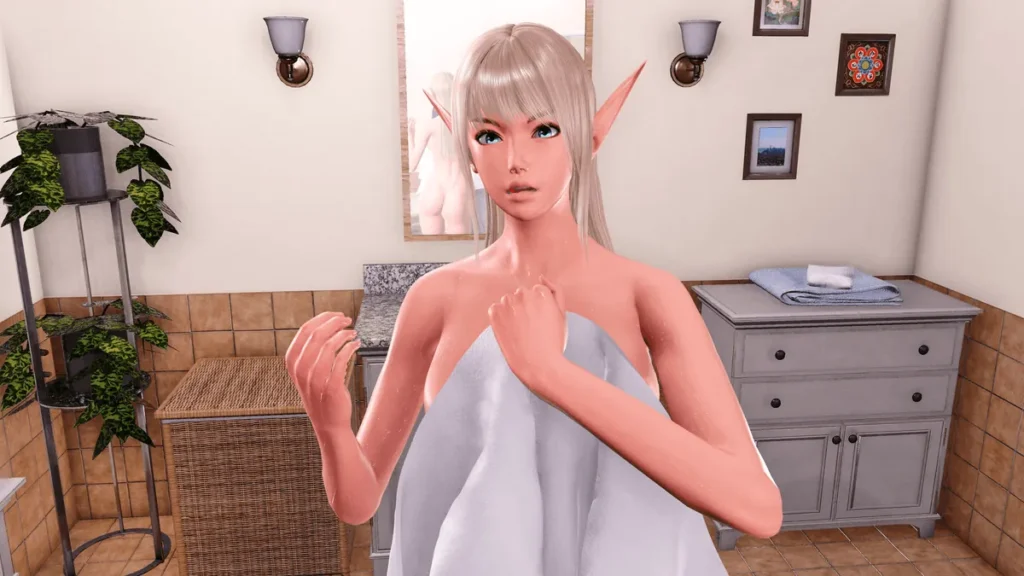
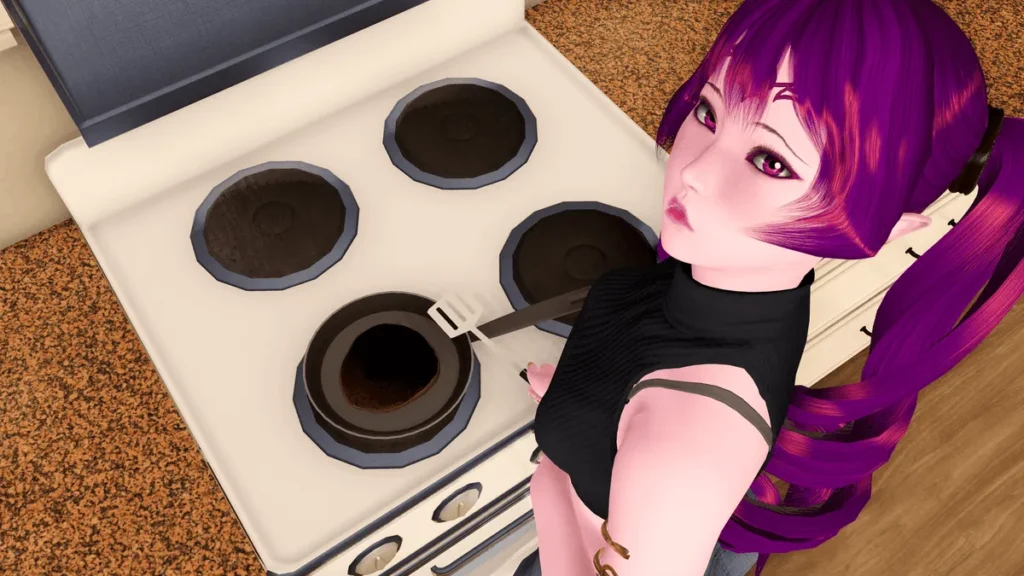





A House in the Rift review
Deep dive into the game mechanics, characters, and progression for A House in the Rift
A House in the Rift is a narrative-driven adult visual role-playing experience that blends exploration, character relationships, and branching outcomes. In this guide I cover the core systems, character arcs, how to unlock scenes and images, progression strategies, and practical tips based on my playthroughs. Whether you want to follow the main storyline, collect gallery content, or optimize relationship outcomes, this article will walk you step-by-step through the game while sharing personal observations and tested tactics.
Game Overview and Core Systems
So, you’ve stumbled through a mysterious portal and found yourself in a strange, cozy house with even stranger inhabitants? Welcome, friend. You’re not alone. My first time booting up A House in the Rift, I was utterly charmed by its premise. It’s less about grand battles and more about the quiet, intimate drama of strangers becoming a family—or perhaps something more. This complete guide is here to be your anchor in the chaos, offering a deep dive into everything that makes this visual novel tick. Let’s start by understanding the world you’ve just entered.
What is A House in the Rift?
At its heart, A House in the Rift is a narrative-driven adult visual novel with strong relationship simulation elements. The core A House in the Rift overview is this: you play as a modern guy pulled from his everyday life into a mysterious, timeless pocket dimension—the eponymous House. This place acts as a nexus, drawing in women from vastly different fantasy worlds who are equally lost and confused. Your role? To become the group’s emotional anchor, exploring the mysteries of the Rift, managing your shared home, and building deep, meaningful connections with each unique character.
The tone masterfully blends slice-of-life comfort with underlying fantasy intrigue and simmering romance. 😊 One moment you’re joking about cooking dinner, the next you’re discussing magical runes or the political turmoil of a dragon kingdom. The “Rift” itself is the ever-present mystery. Why are you all here? Can you leave? The house is both a safe haven and a gilded cage, and this tension fuels both the plot and the personal journeys of every character. Understanding this setting is key to appreciating the game’s A House in the Rift mechanics, as every system is designed to reinforce that feeling of building a life together in isolation.
Key mechanics: stats, time, and location
Don’t let the relaxed pace fool you; there’s a robust simulation running under the hood. Your progress is governed by a set of core stats, a persistent passage of time, and specific locations. Mastering these is the key to unlocking the story’s full depth.
Your character has several primary attributes that influence your interactions. Think of them as your social and capability toolkit.
| Stat Name | Purpose | How to Increase |
|---|---|---|
| Strength | Affects options in physical tasks, certain dialogue choices, and can influence character perceptions. | Using the exercise equipment in the basement regularly. |
| Intelligence | Unlocks analytical dialogue options, helps solve puzzles, and improves interactions with more scholarly characters. | Reading books found in the library or purchased from the shop. |
| Charisma | Opens up persuasive and charming dialogue paths, crucial for smoothing over conflicts. | Engaging in successful social interactions and choosing confident dialogue options. |
| Affection (Character-Specific) | Tracks your romantic and personal bond with each main character. The core driver of the intimacy system. | Spending time with them, giving gifts they like, and making choices that align with their personality. |
| Trust (Character-Specific) | Measures a character’s faith in you on a deeper, often non-romantic level. Essential for their personal quests. | Being reliable, keeping promises, and supporting them during pivotal story moments. |
Now, let’s talk about A House in the Rift time and location. This isn’t a game where everyone is always available. The house operates on a clear daily cycle: Morning, Afternoon, Evening, and Night. 🌅➡️🌃 Characters have preferred schedules. Rae might be training in the yard in the morning, while Lyriel is in the library in the afternoon. You must physically navigate to different rooms—the Kitchen, Library, Bedrooms, Garden, etc.—to find them. This makes your daily planning feel impactful. You can’t do everything in one day, so you must choose who to engage with, creating a natural and rewarding rhythm to your playthrough.
How choices affect outcomes
This is where the magic happens. Every significant dialogue choice, gift, and time investment ripples outward. The game doesn’t just have a “good” or “bad” ending; it has a complex web of character endings, relationship states, and story resolutions based entirely on your actions.
The most critical system here is the intimacy system A House in the Rift. It’s a beautifully nuanced setup. It’s not a simple “points” meter you max out. Instead, it’s a combination of visible Affection and hidden Trust values, coupled with key narrative choices called “Flags.” Raising Affection opens up romantic and closer friendly scenes, while high Trust is often the gatekeeper for a character’s most vulnerable story moments and their ultimate personal resolution.
Pro Tip: A character might have high Affection because you flirt often, but if their Trust is low, they may still refuse to confide a crucial secret in you, locking you out of their true ending path.
My most memorable case study involved Zoe, the sharp-witted scientist. Early on, she presents a minor ethical dilemma about using rift energy. I chose the pragmatic, “study it for our benefit” option, which boosted her Affection (she admired the dedication). However, later, when she was terrified about a personal discovery, my previous choice had framed me as somewhat cold. The comforting, empathetic option I wanted was unavailable because I hadn’t built enough Trust with that specific facet of her personality. I had to reload and replay several days, making softer, more supportive choices to unlock that path. It was a powerful lesson: the game remembers your character, not just your point total.
Practical Advice for New Players:
* Early Hours Focus: Spend your first week exploring every room and talking to everyone. Don’t worry about romance. Focus on learning schedules and increasing your core stats (hit that basement gym! 📚). Buy a variety of cheap gifts from the shop and see who reacts positively.
* Story Beats vs. Side Interactions: Main story updates usually trigger after certain time periods or trust milestones. If you’re stuck, it’s a sign to focus on building relationships. Side interactions are not filler; they’re the primary way you build the Affection and Trust needed to advance the main plot.
* Avoiding Progression Pitfalls: The biggest trap is neglecting a character for too long. While you can’t see Trust, if a character’s personal quest seems stalled, dedicate a few days solely to them. Also, save often and in multiple slots! Some choice consequences aren’t immediate. A community-known quirk is that occasionally, a previously visited location might not update its description immediately; if a scene feels missing, try leaving and re-entering the room.
Navigating your new life: Map and quests
With all this talk of time and location, you need tools to manage it. This is where map navigation AHITR and your quest log A House in the Rift become your best friends.
The map is gloriously simple. It’s a static illustration of the house’s floor plan. You click on a room, and you go there. Its beauty is in its limitations—it reinforces the intimate scale of your world. You won’t get lost, but you must be intentional. Need to find Lyriel? Check the map, see the “Library” icon, and go. It streamlines the A House in the Rift time and location management, letting you focus on your daily plan rather than wrestling with controls.
Your quest log A House in the Rift is your personal journal. It doesn’t hold your hand with waypoints, but it does meticulously record:
* Active Tasks: Clear objectives like “Talk to Rae about her past” or “Find a book on runes for Lyriel.”
* Character Notes: Updates on each person’s mood, recent conversations, and implied next steps. This is vital for tracking subtle Trust development.
* Mystery Clues: Fragments of information about the Rift, which you piece together over time.
The log doesn’t automatically update with every single action. It reflects your character’s understanding. If you miss a key piece of dialogue, it might not be recorded. This makes paying attention absolutely crucial. I learned to check it at the end of every in-game day to consolidate my thoughts and plan for tomorrow.
In essence, living A House in the Rift is about embracing its daily rhythm. Use the map to move with purpose, let the quest log guide your intentions, and always, always invest your time in the characters. Your attention is the most valuable currency in this lonely pocket of existence. By understanding these core systems—the stats, the time, the impactful choices, and your navigation tools—you transform from a confused occupant into the true heart of the house, capable of bringing your wildest projects to life. Now go on, your new life awaits.
A House in the Rift rewards careful attention to character schedules, deliberate dialogue choices, and smart save management; by understanding the intimacy metrics, location timing, and gallery prerequisites you can shape each playthrough to your goals. Use the strategies and checklists above to streamline progress, back up saves before major choices or mod installs, and lean on community guides when you hit continuity issues. If you found this guide useful, try the recommended save scheme and one focused run per character to unlock the majority of content, then return for a second run to complete the rest.