
University of Problems
Play University of Problems
University of Problems Screenshots









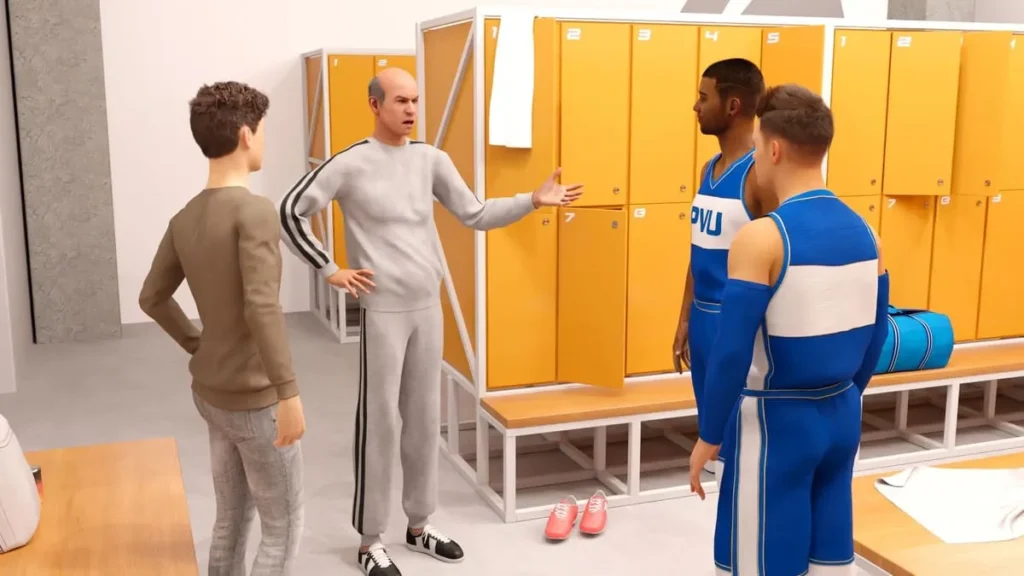








University of Problems review
Master every choice, unlock all scenes, and optimize your gameplay experience
University of Problems is an intricate choice-driven interactive experience that challenges players to navigate complex relationship dynamics and decision-making scenarios. Success in this game requires understanding how your choices impact character relationships, unlock exclusive scenes, and determine multiple endings. Whether you’re aiming for 100% completion or seeking to understand the game’s relationship mechanics, this comprehensive guide covers everything from optimal dialogue choices to advanced strategies for unlocking all content. Learn how to maximize your gameplay experience and discover the depth of this narrative-driven adventure.
Mastering Relationship Mechanics and Character Interactions
Ever feel like you’re just clicking through dialogue in a game, hoping for the best, only to find out three hours later you’ve somehow upset the entire cast and locked yourself out of the best content? 🤦♂️ Yeah, me too. That was my first, utterly disastrous attempt at navigating the University of Problems relationship system. I thought I was being charming, spreading my attention like a generous host at a party. Instead, I ended up with a lonely save file where my main character might as well have been studying in a monastery. It was a mess.
But that failure taught me everything. University of Problems isn’t just about random picks; it’s a delicate, interconnected web of cause and effect. Mastering its social landscape is the key to unlocking the rich, branching narrative the game offers. This chapter is your blueprint. We’re going to dissect the character affinity mechanics, demystify the stat tracking gameplay, and turn you into a strategic savant of multiple relationship management. By the end, you’ll know exactly how to unlock all scenes and make every choice count.
Understanding Character Affinity Systems and Stat Tracking
At its heart, the University of Problems relationship system is gloriously transparent. Unlike games where characters magically “like” you more, here, every interaction is quantified. Think of it as a social credit score for each love interest. When you choose a supportive dialogue option for Carol, you don’t just get a warm fuzzy feeling—you get +1 point (or more) specifically to your “Carol Affinity” score. These points are the absolute foundation of the character interaction guide.
Each major character—Carol, Ashley, Roxy, Sara, Rachel, Nikki, Ivy, and Yuki—has their own independent affinity track. This is the core of the character affinity mechanics. Your standing with them is a direct sum of every kind word, helpful action, and shared moment. But here’s the crucial twist: it’s not just about being nice. The game uses two primary player stats—LUST and INTELLIGENCE—to gate certain dialogue options and event triggers.
For example, choosing a flirtatious or bold option often requires a minimum LUST score. Want to engage in a witty, intellectual banter or solve a problem for a character? That might be locked behind an INTELLIGENCE check. This creates a fantastic layer of strategy for your build. Are you playing a charismatic, bold character, or a thoughtful, clever one? Your stat distribution will literally open or close entire conversation paths with different characters, directly affecting your dialogue choices consequences.
To help you visualize and plan your social strategy, here’s a breakdown of the key characters and what drives their stories:
| Character | Primary Affinity Type | Key Ways to Increase Affinity | Example of Gated Content |
|---|---|---|---|
| Carol | Support & Care | Helping with her responsibilities, being emotionally available, choosing gentle options. | Higher affinity unlocks more private, vulnerable conversations and crucial support scenes. |
| Ashley | Attention & Assistance | Actively offering help with her projects, checking in on her, being reliable. | Failing to help at key moments can permanently alter her story arc and scene availability. |
| Roxy | Confidence & Directness | Matching her bold personality, choosing high LUST dialogue options, being assertive. | Major romantic and physical scenes require high affinity and often high LUST stat. |
| Sara | Fun & Spontaneity | Agreeing to her plans, being playful in dialogue, engaging in her energetic events. | Unlocks party scenes, casual hangouts, and her more trusting, personal moments. |
| Rachel | Intellect & Ambition | Discussing studies, showing ambition, using high INTELLIGENCE dialogue choices. | Access to study sessions, career-focused talks, and scenes based on mutual respect. |
| Nikki | Kindness & Patience | Being consistently kind, helping without being asked, patient listening. | Unlocks slow-build, deeply emotional scenes and trust-based interactions. |
| Ivy | Mystery & Intrigue | Showing interest in her enigmatic life, being observant, making specific choices that pique her interest. | Her entire storyline, often the most secretive, is affinity-locked behind careful choice selection. |
| Yuki | Respect & Understanding | Being respectful of her space and personality, offering quiet support, consistent positive interactions. | Unlocks her guarded personal scenes and unique story path. |
This stat tracking gameplay means you can’t just blindly click. You need a plan. Early in my second playthrough, I decided to focus on Roxy and Rachel. I pumped points into LUST for Roxy’s path and INTELLIGENCE for Rachel’s. Watching their affinity meters climb in tandem, knowing exactly why, was incredibly satisfying. It turned the University of Problems relationship system from a mystery into a solvable, enjoyable puzzle.
Strategic Dialogue Choices and Their Long-Term Consequences
Okay, you understand the meters. Now, let’s talk about the words that fill them. In University of Problems, conversation is a battlefield, and every line is a tactical decision. The dialogue choices consequences are not always immediate, but they are almost always inevitable. This is where the game truly shines, creating a butterfly effect that can span entire chapters.
Personal Insight: I once made a throwaway, slightly sarcastic comment to Ashley during a very early, seemingly minor interaction. I forgot about it completely. Fast forward several in-game weeks, during a tense group scene, she brought it up verbatim, using it as a reason to doubt my sincerity. I was floored. The game remembers.
This is the golden rule: There are no throwaway lines. Early-game decisions set a precedent. They define your character’s personality in the eyes of the others and establish relationship templates. Choosing to help Carol with a task in Chapter 1 isn’t just +2 affinity; it’s establishing you as “the helpful one” to her, which influences how she approaches you for help later. Neglecting that early opportunity might mean she doesn’t come to you at all when she’s in real trouble, closing off an entire branch of her story.
The consequences also manifest in direct competition for your time and attention. A classic example is the conflict between helping Ashley with a crucial project or attending a fun, carefree event with Sara. Choosing Sara might give you a huge affinity boost with her and unlock a fantastic scene 🎉, but not helping Ashley can decrease her affinity significantly and may lock you out of her primary storyline progression. This is the core challenge of multiple relationship management. You are constantly evaluating:
* The immediate reward: A fun scene now.
* The long-term cost: A closed story path later.
* Character priorities: Who do you want as a central figure in your story?
Furthermore, your core stats (LUST and INTELLIGENCE) directly dictate which dialogue branches are even available. You might see the perfect, smooth-talking option to diffuse a situation with Roxy, but it’s greyed out because your LUST isn’t high enough. This makes balancing your stat progression part of your dialogue strategy. It’s a constant juggling act that makes every playthrough unique and is essential knowledge for how to unlock all scenes. You can’t see everything in one run because your “build” literally can’t access every conversational possibility.
Balancing Multiple Relationships for Optimal Outcomes
So, you want to see it all? Or at least, maximize your impact in one playthrough? Welcome to the most rewarding—and stressful—part of the University of Problems relationship system: the juggling act. Multiple relationship management is less about romance and more about resource allocation. Your resources are time, attention, and your action points within the game’s structure.
The first step is acceptance: You cannot max out everyone in a single playthrough. It’s designed that way. Choices matter because they preclude other choices. Your goal should be to define a “core” group of 2-3 characters for a given playthrough. My strategy, born from many (many) hours of experimentation, follows a simple priority system:
- Identify Your Primary Target: Pick one character whose story you want to see through to its peak. Pour your most consistent effort here. Never miss a key event with them.
- Choose a Compatible Secondary: Select a second character whose affinity gains don’t directly conflict with your primary. If your primary is Roxy (needs high LUST), Rachel (needs high INTELLIGENCE) can be a good secondary, as you can build stats for both. If your primary is Ashley (needs consistent help), Carol (needs emotional support) might create time conflicts.
- Manage the “Background” Group: For the remaining characters, your goal isn’t to romance them, but to keep them at a “friendly” or neutral level. Engage with them enough to avoid negative consequences or major story blocks, but don’t invest your precious key decision moments in them for this run.
- Use the In-Game Phone/Journal: This is your best friend for stat tracking gameplay. It often gives hints about character availability or mood. Check it regularly to plan your day. Is Ashley texting about needing help? That’s a high-priority engagement if she’s in your core group.
- Embrace Save Files: This is non-negotiable for mastery. Before any major decision—especially those that clearly involve two characters—create a save. This lets you explore the dialogue choices consequences down both paths without ruining your main run.
This strategic approach is the only way to efficiently work towards the ultimate goal of how to unlock all scenes across multiple saves. It turns a sprawling, overwhelming social sim into a series of focused, manageable campaigns.
A Case Study from My Playthrough: In my “Roxy & Rachel” run, I had to completely sideline Sara’s more demanding fun events and make intentionally cold choices with Nikki to avoid leading her on. It felt brutal in the moment, but it allowed me to reach the deepest, most satisfying conclusions with my chosen pair. In my next playthrough, I focused on Sara and Nikki, and seeing their completely different story arcs was like playing a new game.
Frequently Asked Questions:
- What happens if I pursue multiple characters simultaneously?
The game is very aware of this. While you can build affinity with several characters, major “point of no return” moments will often force a choice. Trying to be everyone’s partner can lead to dramatic confrontations, loss of trust, and being locked out of all but the most basic endings with those characters. It’s a high-risk path. - Can I recover from neglecting a character?
It depends on the severity and the specific character. Missing one or two minor interactions can often be overcome with a strong, consistent effort later. However, failing a major, story-critical request (like not helping Ashley at her lowest point) often has permanent consequences. That story branch may be closed for that playthrough, emphasizing the weight of your dialogue choices consequences.
Mastering the social dynamics of University of Problems is what elevates it from a simple visual novel to a deeply engaging experience. By understanding the transparent character affinity mechanics, respecting the long-term weight of your words, and strategically managing your attention, you transform from a passive student into the architect of your own campus legend. Now, go load that save file. Your perfect run is waiting. 🎮✨
University of Problems rewards players who understand its intricate systems of relationship management, event sequencing, and stat-based outcomes. By mastering the affinity mechanics, recognizing critical decision points like the grand prize choice, and strategically managing your LUST and INTELLIGENCE stats, you can unlock the full breadth of content this game offers. The game’s design encourages multiple playthroughs, with different character paths and stat distributions revealing new scenes and endings each time. Whether you’re pursuing a specific character’s storyline or aiming for complete 100% achievement, the strategies outlined in this guide provide a roadmap for success. Take time to experiment with different choices, track your relationships carefully, and remember that the consequences of your decisions ripple throughout your entire playthrough. Your next run through University of Problems will be significantly more rewarding with this comprehensive understanding of how every choice shapes your experience.