Tales from the Unending Void
Play Tales from the Unending Void
Tales from the Unending Void Screenshots














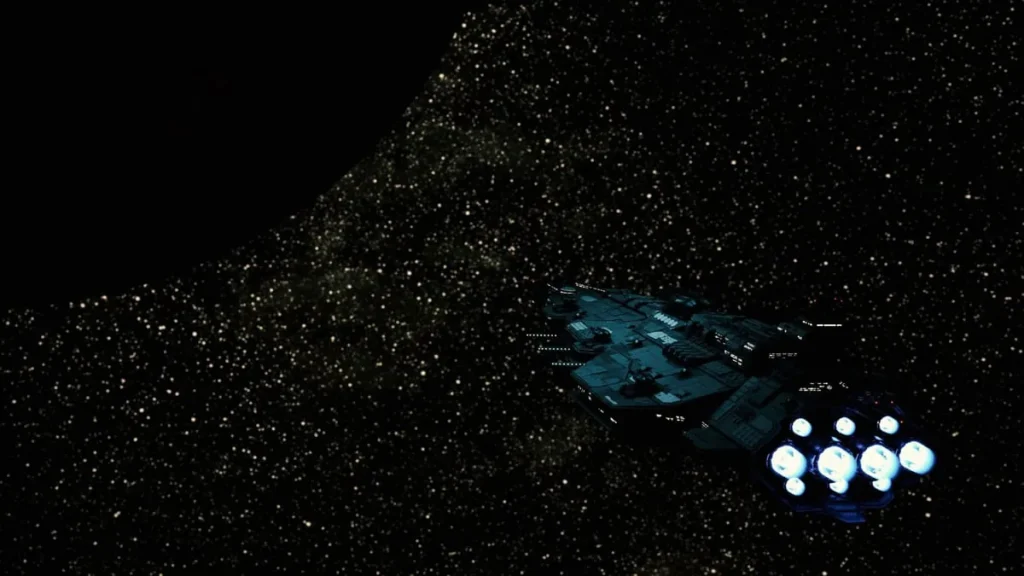


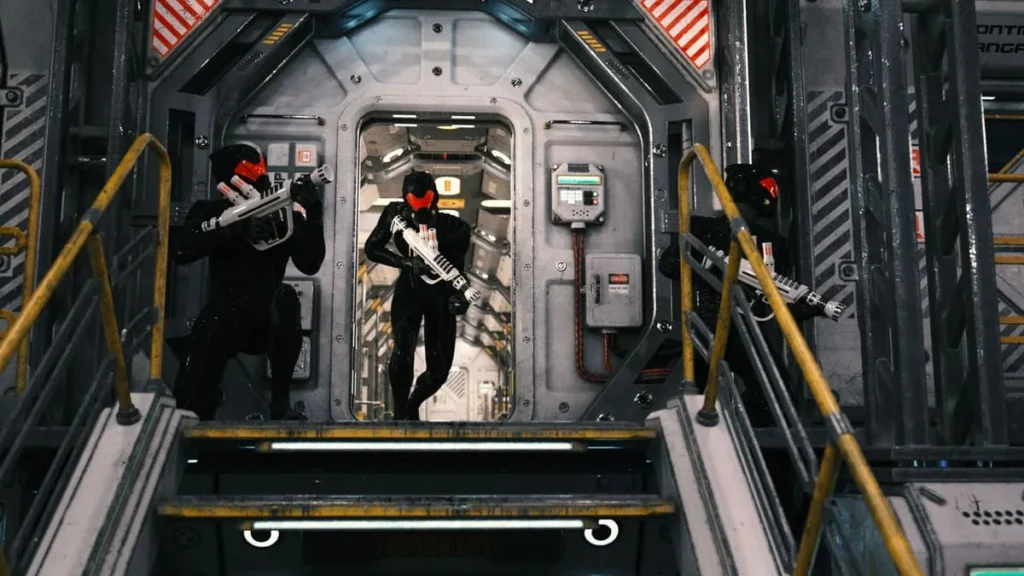
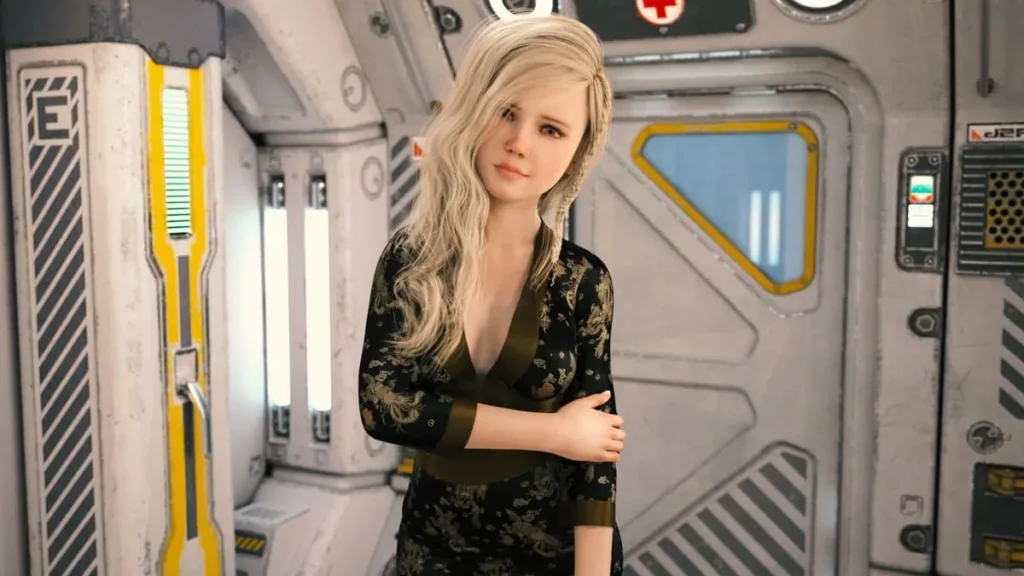


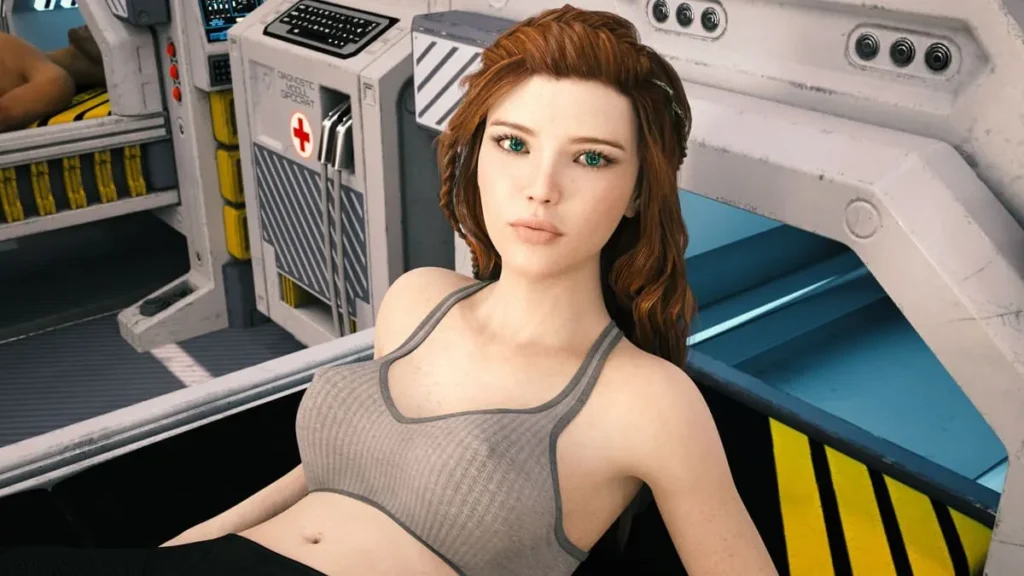
Tales from the Unending Void review
Comprehensive guide, gameplay insights, and player-focused tips for Tales from the Unending Void
Tales from the Unending Void is a serialized adult-oriented visual novel that blends sci-fi storytelling with branching choices and collectible scenes; this guide focuses exclusively on Tales from the Unending Void to help players understand its structure, mechanics, and community reception. In this post I’ll share my hands-on impressions, practical tips for navigating routes and galleries, and an analysis of what to expect from each season and chapter. Whether you’re deciding whether to play, trying to unlock all content, or looking for pacing and update expectations, this article walks you through the game step by step while drawing on personal play experience and player feedback.
What is Tales from the Unending Void? — Story, Tone, and Format
So, you’ve heard the name and you’re curious. What exactly is Tales from the Unending Void? 🚀 If you’re picturing a static, one-and-done story, prepare for a pleasant surprise. This isn’t just a game; it’s an ongoing serialized adventure that feels like subscribing to the best sci-fi show you’ve never seen, where you’re not just a viewer, but the pilot at the helm.
At its heart, the Tales from the Unending Void overview is this: you are the new Captain of the SRN Alabaster, a not-so-glorious cargo hauler, thrust into a galaxy of mystery, corporate intrigue, and bizarre alien phenomena. You’re not a chosen hero from prophecy—you’re a person with a massive debt, a quirky (and sometimes dysfunctional) crew, and a ship that’s seen better days. The mission? Survive, pay off your contracts, and maybe, just maybe, uncover the deeper secrets lurking in the silent black between stars. This Tales from the Unending Void story setup is brilliantly relatable; it’s less about saving the universe and more about managing your life, your relationships, and your bank account in a universe that doesn’t care about you.
My first hour with the game immediately hooked me with its tone. I expected gritty sci-fi, but I got a delightful mix of spacefaring adventure, witty banter, and genuine, character-driven moments that made the Alabaster feel like home. It’s a world that feels lived-in, where the drama is personal and the cosmic threats often take a backseat to whether your engineer and your medic are going to kill each other over the last cup of synthetic coffee. ☕
Overview of the premise and setting
Let’s break down where your story begins. The setting is a human-dominated galactic frontier, a place where mega-corporations hold more power than governments and ancient alien ruins dot backwater planets. You step into the worn boots of a customizable protagonist (you pick your name and appearance), who, through a twist of fate (and bad financial decisions), inherits the captain’s chair of the Alabaster.
This ship is your home, your business, and your greatest asset. It’s also a major character in itself. The game characters and setting are inextricably linked. You don’t just command your crew; you live with them. The story unfolds through missions—called Contracts—which you select from a queue. Need to pay the docking fees? Take a simple cargo run. Feeling adventurous? That distress signal from a derelict station might pay well… or it might be your last trip. This structure creates a fantastic “episode-of-the-week” feel, with larger, season-long narrative arcs weaving through your chosen jobs.
The beauty of this premise is its flexibility. One chapter, you’re negotiating with a slick corporate rep on a pristine orbital station. The next, you’re escaping a fungal infestation on a swamp planet with your mechanic complaining about the muck in the gear assemblies. This variety keeps the Tales from the Unending Void story fresh and constantly engaging. You’re building your own legend, one contract, one dialogue choice, and one relationship at a time.
Narrative structure: seasons, chapters, and routes
This is where Tales from the Unending Void truly distinguishes itself. Forget a single, 50-hour narrative. This game is built like a TV series, employing a seasoned visual novel format. The story is released in distinct Seasons, each acting like a major story arc or a full season of a show. Within each Season, the tale is delivered in bite-sized episodic visual novel chapters.
Think of each chapter as a 1-2 hour installment of your ongoing space saga. You might get a chapter focused on a specific planet, a character’s backstory, or a critical story mission. I personally love this model. It turns playing into a ritual—a new chapter drops, and I get to spend an evening catching up with my digital crew, seeing how their stories progress. It creates anticipation and allows the developers to build on player feedback and choices in a dynamic way.
However, it’s not without its pacing quirks. Some players report that between major chapter releases, the wait can feel long, and occasional chapters feel more like “setup” than payoff. This is the nature of serialized storytelling. My advice? Embrace the pace. Savor each chapter, explore all the dialogue, and use the downtime to replay previous episodes to see what you missed.
Your choices are the engine of this structure. This isn’t an illusion of choice; your decisions at key branching points actively determine which scenes, character routes, and ultimately endings you unlock. The game features a robust route system. By building affinity with specific crew members through your choices—being supportive, sharing moments, or taking their side in arguments—you unlock deeper, more intimate paths with them. These routes are gateways to exclusive scenes, romantic developments, and unique story beats that completely change your perspective on the overarching plot.
Furthermore, paying for the game’s Patreon or extra versions typically grants access to additional scenes and content within these chapters, often expanding on romantic subplots or providing deeper character insights. It’s a model that rewards dedicated fans who want the fullest possible experience.
| Structural Element | What It Means | Player Impact |
|---|---|---|
| Season | A major narrative arc, akin to a TV season. | Defines the core conflict and stakes for a long period of gameplay. |
| Chapter (Episode) | An installment of the story, 1-2 hours of focused narrative. | Your regular dose of story; where immediate choices and events happen. |
| Routes | Branching narrative paths tied to character relationships. | Locks/unlocks exclusive scenes, romance options, and unique endings. |
| Choice Points | Key decision moments in dialogue and action. | Directly influences affinity, story direction, and available content. |
Tone, characters, and themes
“I’ll never forget my first major contract gone sideways. We were supposed to be delivering medical supplies, but of course, we got boarded by pirate scavengers. Instead of a heroic stand, my ‘favorite’ crew member, Kaelen (our cynical engineer), spent the entire firefight complaining about the bullet holes in his perfectly calibrated engine manifold. It was chaotic, hilarious, and instantly made these characters feel real—flawed, funny, and weirdly endearing under pressure.”
This anecdote perfectly captures the game’s soul. The tone is a masterful blend of heartfelt drama, laugh-out-loud humor, and gripping adventure. It never takes itself too seriously for too long, yet it can pivot on a dime to deliver a moment of shocking gravity or touching vulnerability. The themes are deeply human: found family, redemption, debt (both financial and moral), and the struggle to maintain your identity in a vast, uncaring cosmos.
Now, let’s meet the heart of the experience: the crew. The game characters and setting shine because these aren’t archetypes; they’re people with messy pasts and competing desires.
- The Captain (You): A blank slate molded by your choices. Will you be the compassionate leader, the ruthless pragmatist, or the charming scoundrel? Your demeanor directly shapes how the crew responds to you.
- Kaelen: The ship’s engineer. A genius with machinery and a master of sarcasm. He’s grumpy, deeply protective of his engines, and hides a surprisingly soft center behind layers of grease and cynicism. His route often involves earning his hard-won trust.
- Anya: The ship’s medic and scientist. Analytical, curious, and occasionally dangerously naive about social cues. She provides the wonder and scientific exposition, and her route explores the ethics of discovery in a corporate galaxy.
- Rourke: The security officer. A former military man with a strict code, trying to outrun a past failure. He’s the reliable rock of the crew, and his path delves into themes of duty, honor, and forgiveness.
And these are just the starters! New faces join the roster as the seasons progress, each adding new dynamics and potential plot threads. What’s remarkable is their evolution. Characters don’t stay static. They remember your past actions, their relationships with each other change, and they grow—sometimes in directions you didn’t expect based on your choices. This long-form, seasoned visual novel format allows for a depth of character development that few one-off games can match.
To compare it to others in the space: if some visual novels are feature films, Tales from the Unending Void is a long-running, beloved novel series or TV show. It has the deep world-building of a classic space opera and the intimate, choice-driven focus of a modern relationship sim.
Finally, let’s touch on the gallery and codex systems. These are your repositories of progress and lore. The Gallery is where all your unlocked CG scenes, special images, and animations are stored. It’s a visual trophy case of your journey, motivating you to replay chapters and make different choices to see everything. The Codex is your in-game encyclopedia. Every alien species, major corporation, planet, and significant tech you encounter gets an entry here. It’s not just fluff; it deepens the immersion and helps you keep track of the complex political and biological landscape of the Unending Void. Together, these systems ensure that your investment in the world is recorded and rewarded, turning your playthrough into a tangible, collectible history.
This chapter should have set your expectations: Tales from the Unending Void is a rich, evolving, and deeply personal sci-fi saga. It’s about the journey as much as any destination, where your connection to the crew is the real story. Now that you understand the lay of the land—the Tales from the Unending Void overview, its serialized heart, and the characters who fill it with life—you’re ready to dive deeper into how to actually play and thrive in this universe. Up next, we’ll get into the hands-on strategies to master your contracts and build the relationships that will define your voyage. 🌌
Tales from the Unending Void combines serialized sci-fi storytelling with branching visual novel mechanics and collectible scenes that reward multiple playthroughs. This guide outlined the game’s episodic format, practical strategies for unlocking routes and galleries, community reception and update expectations, presentation highlights, installation safety, and hands-on tips for both newcomers and completionists. If you’re curious, start with a single-season playthrough using the first-play strategy above, keep multiple saves, and join community hubs to track updates and share discoveries.