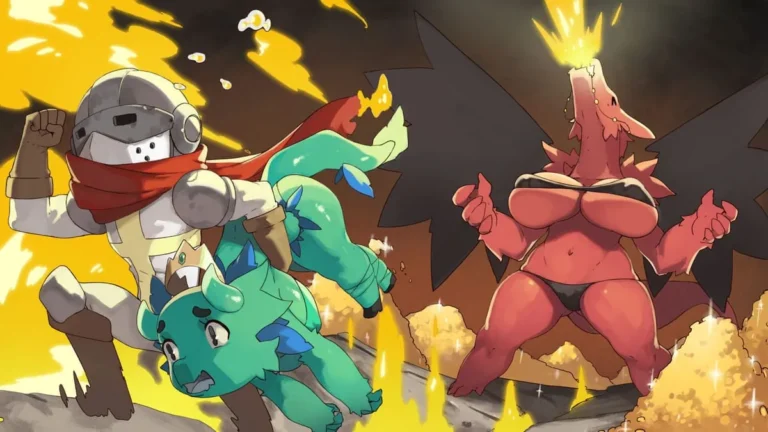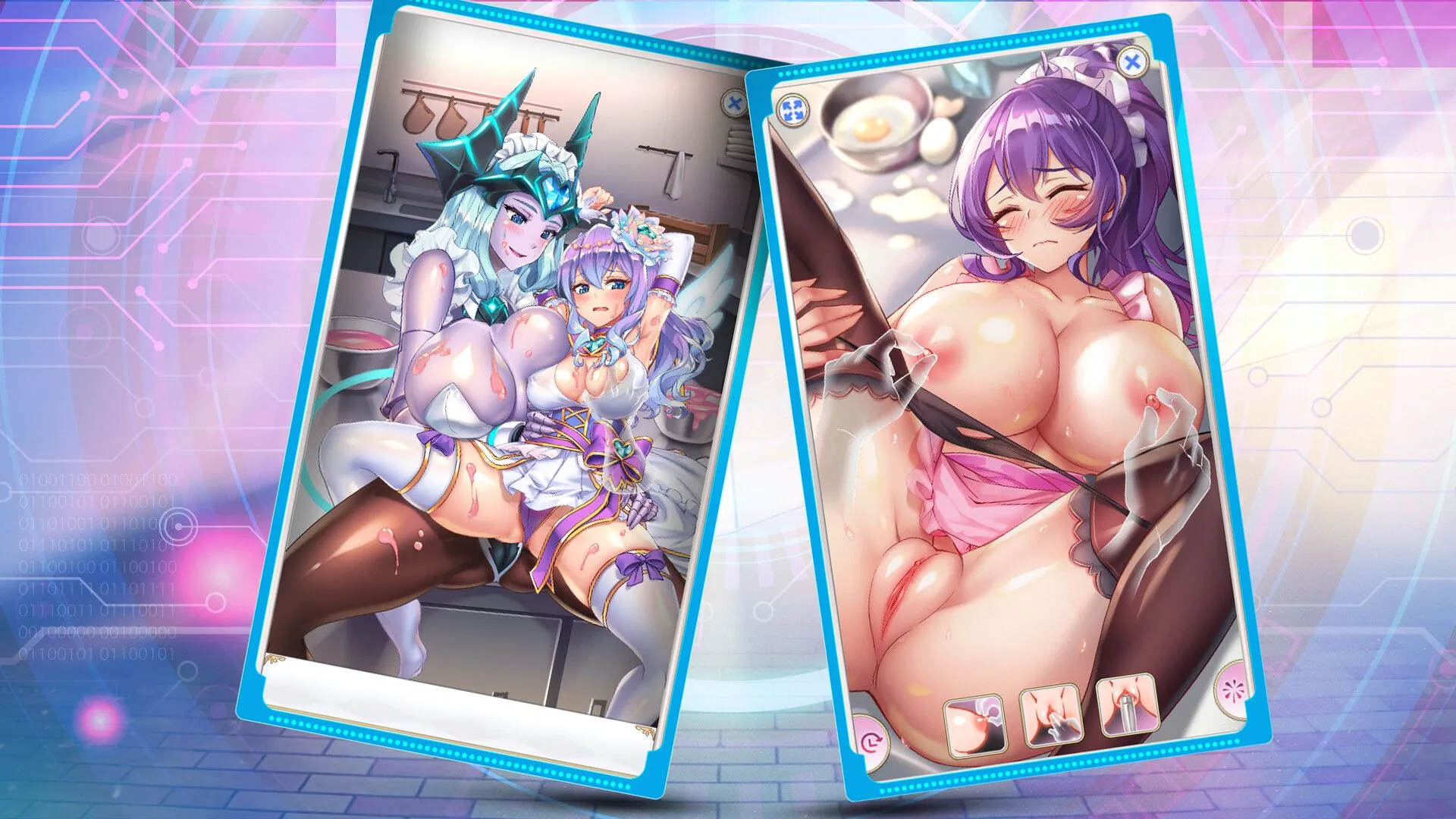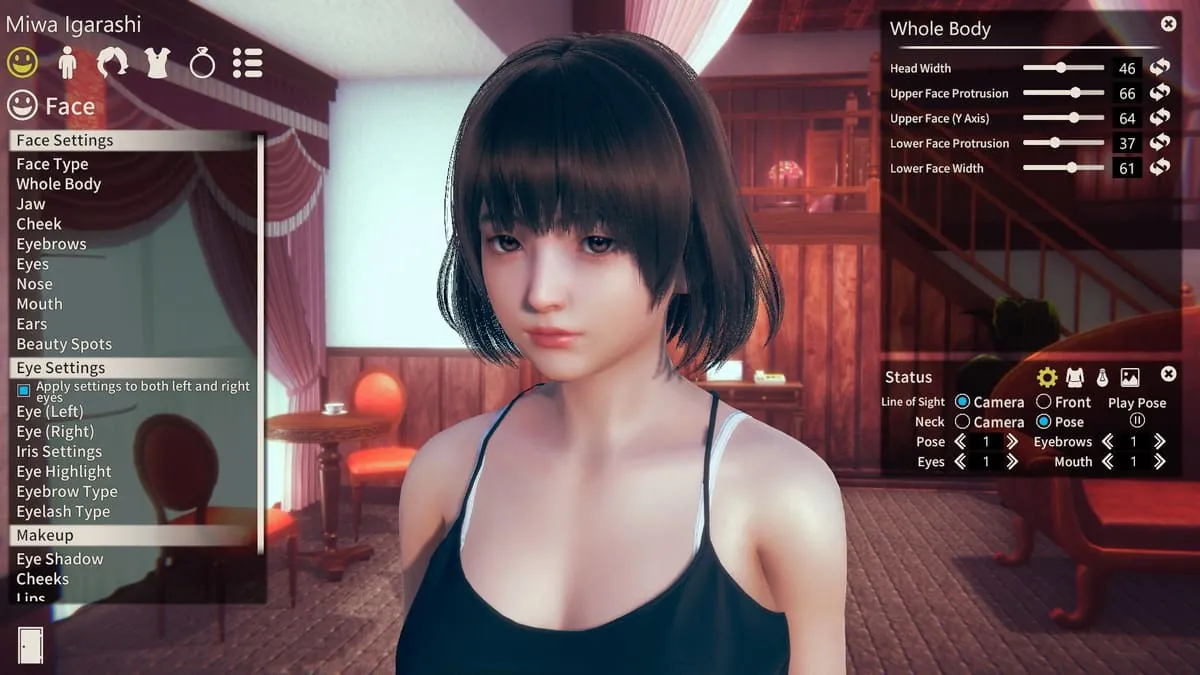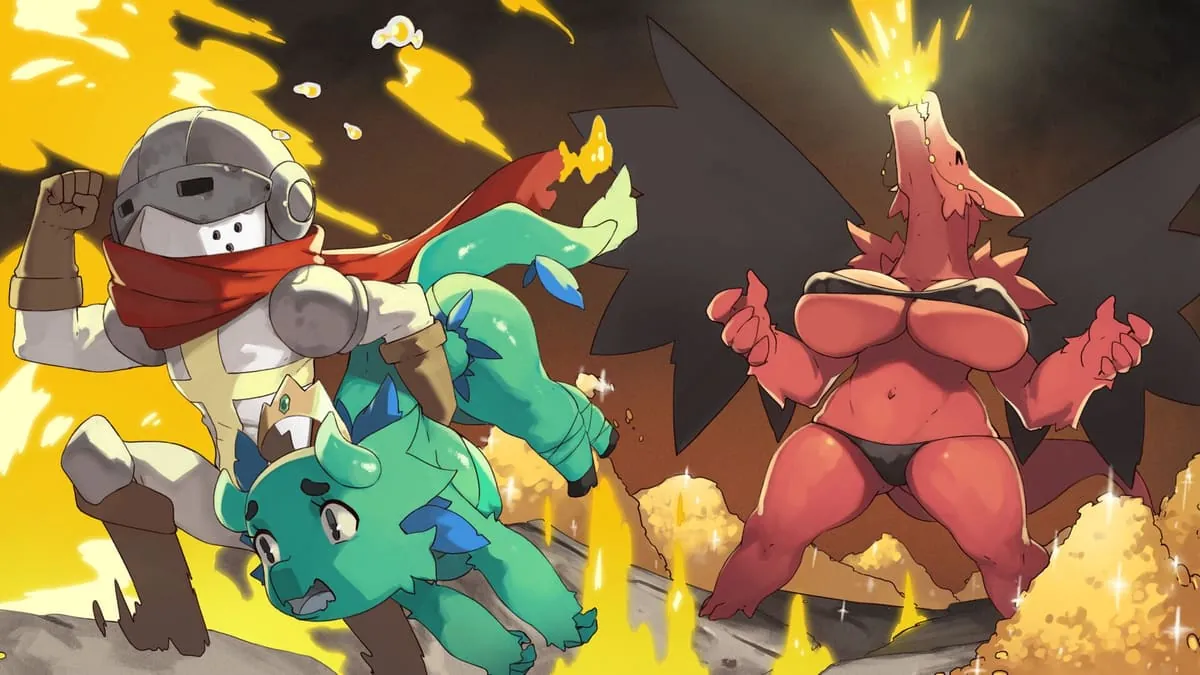
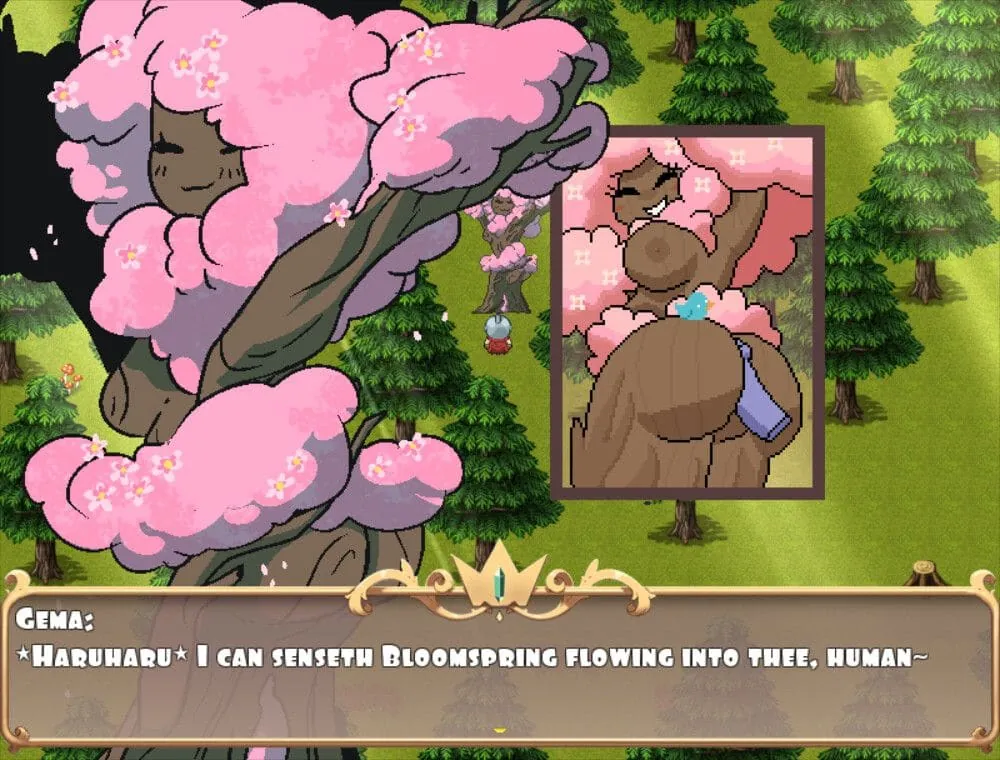
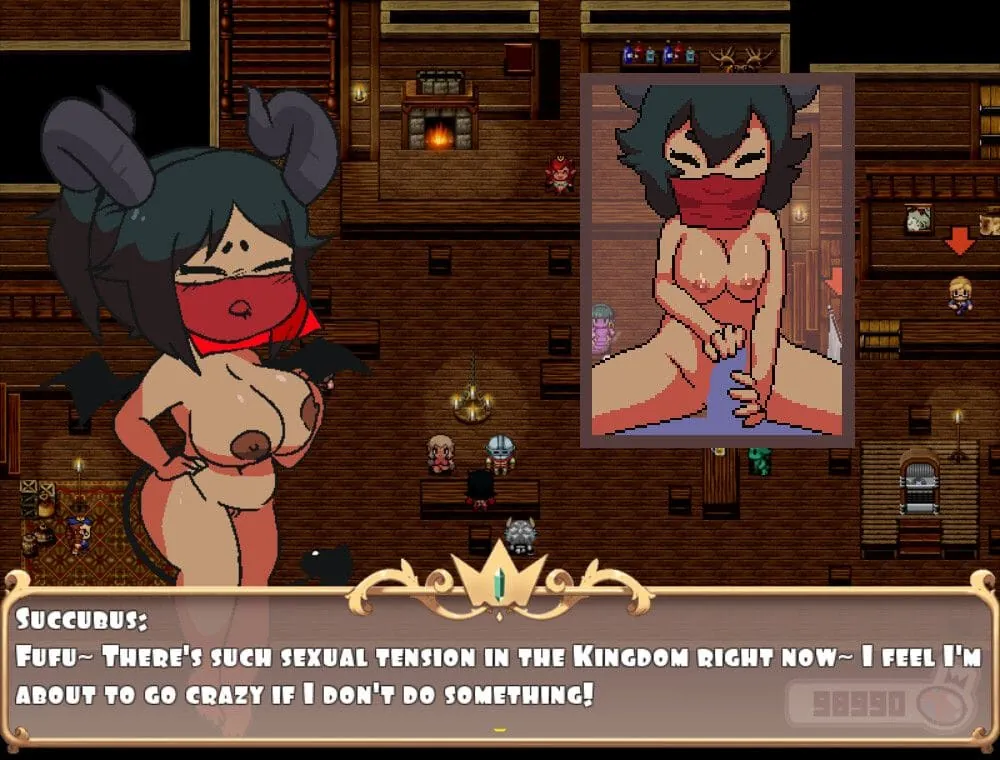
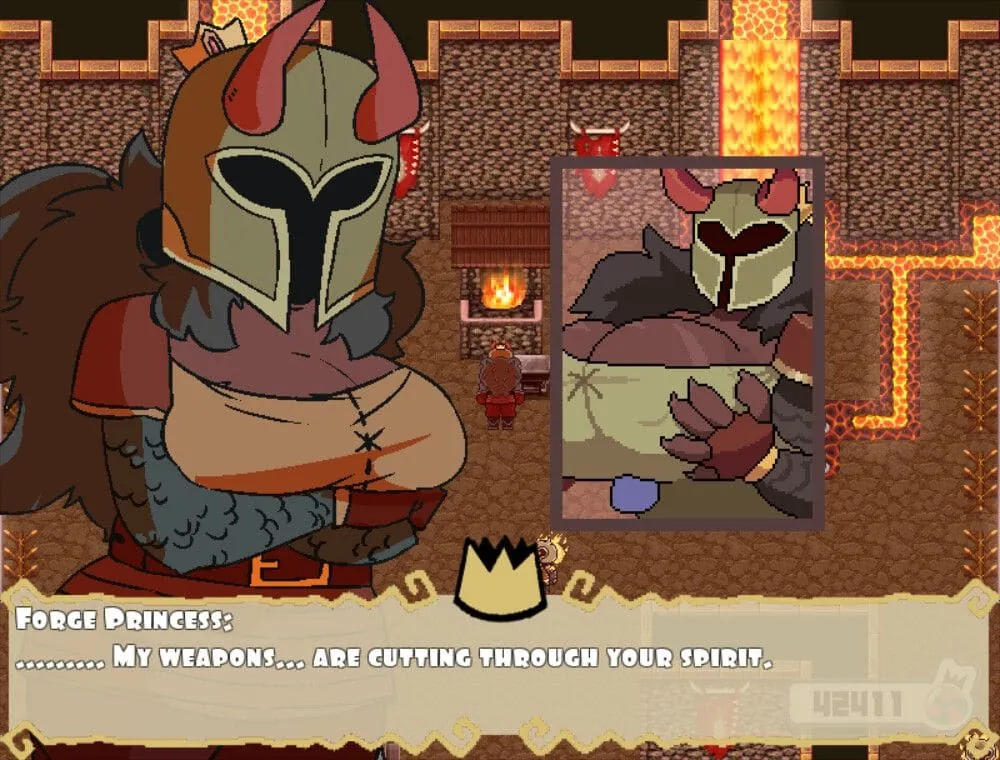
Princess & Conquest Screenshots
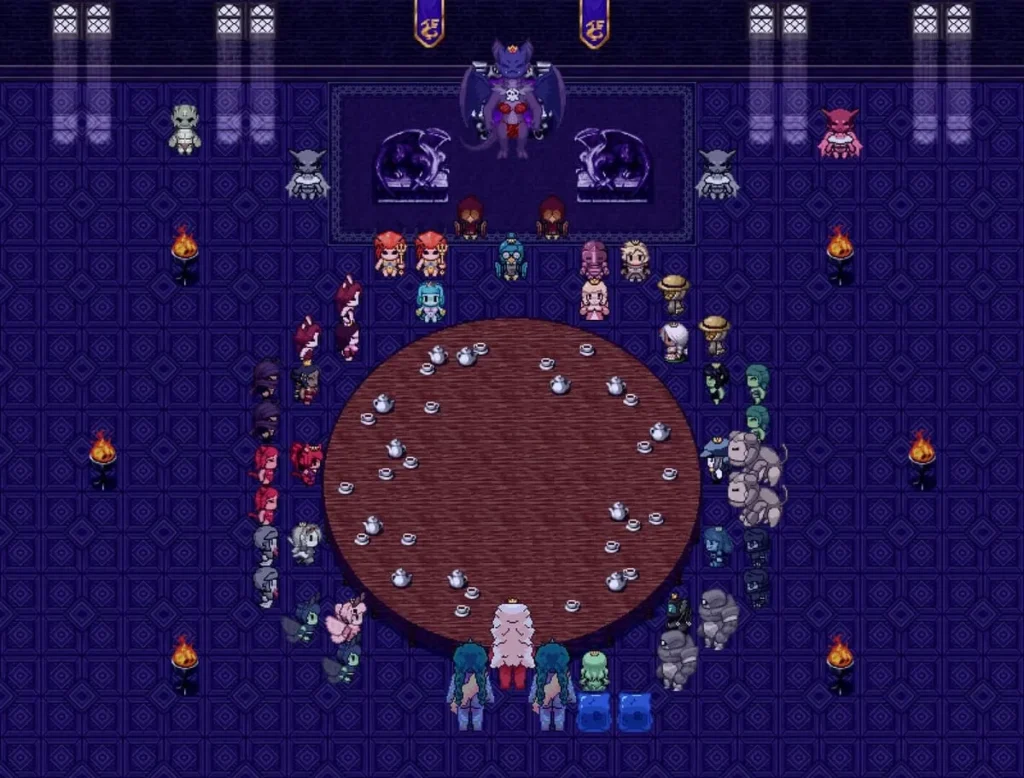
Princess & Conquest review
Explore the hybrid RPG experience with strategic gameplay, diverse characters, and branching storylines
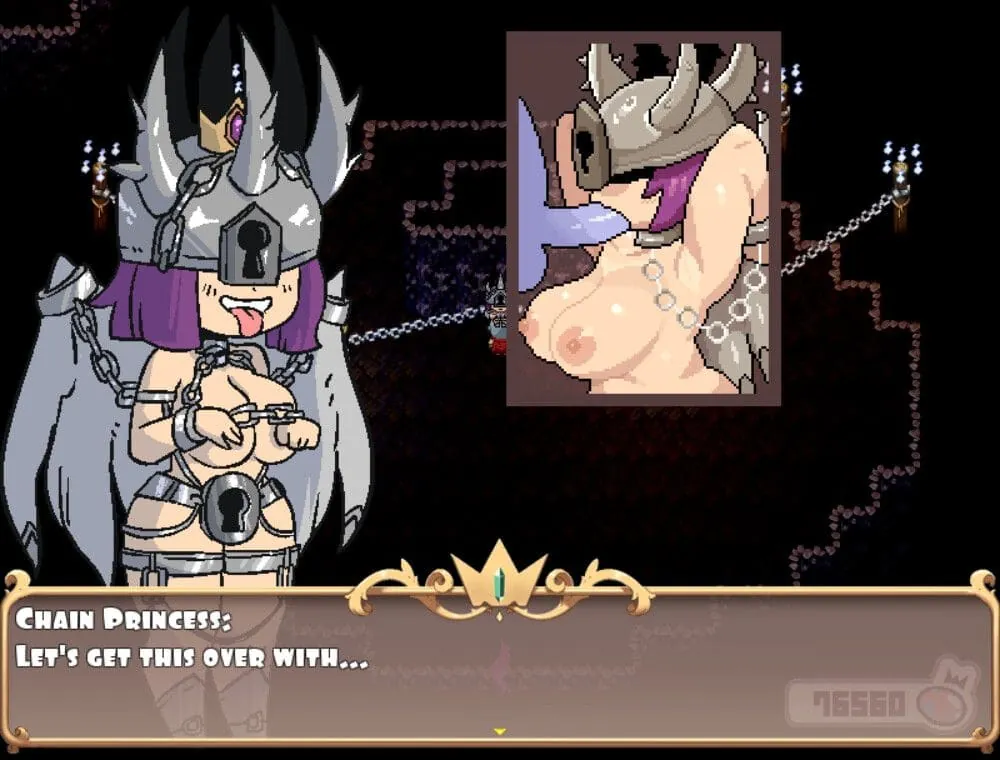
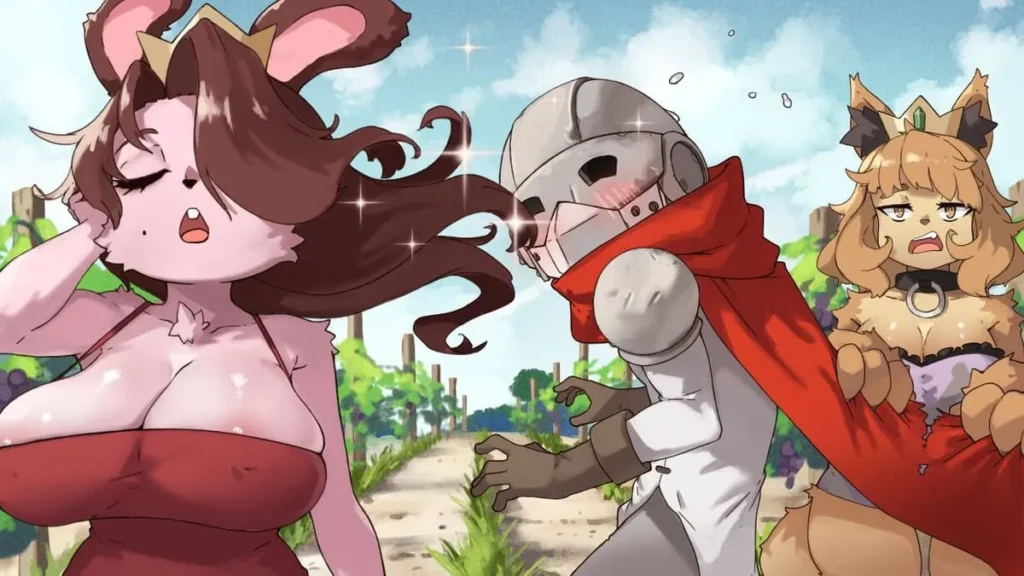
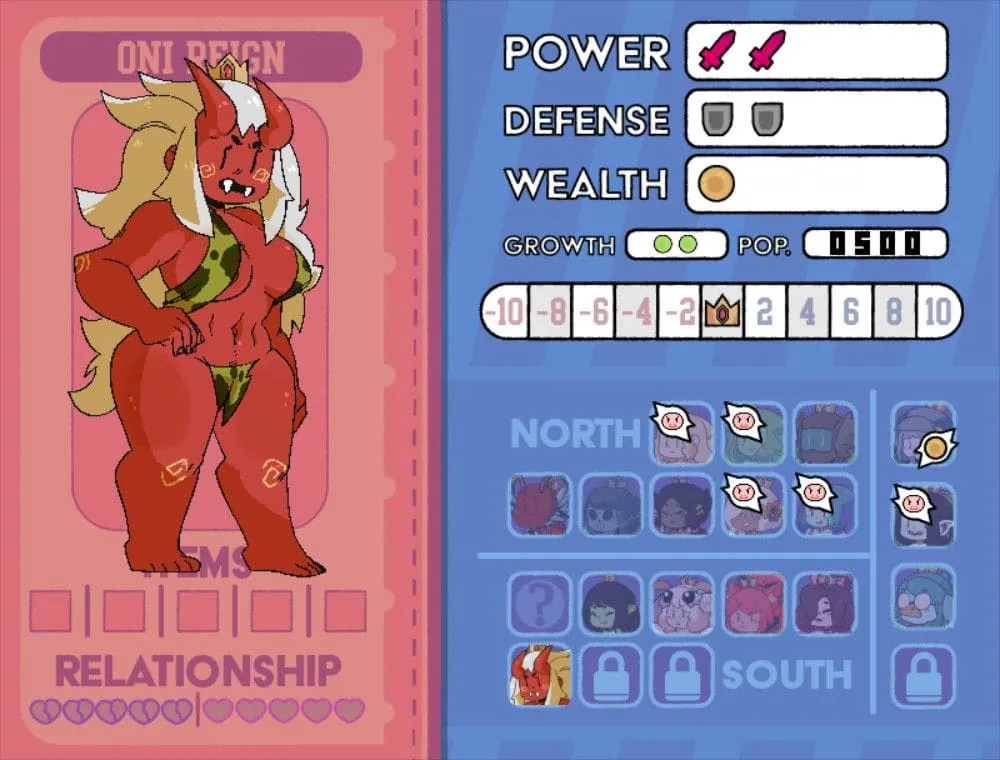
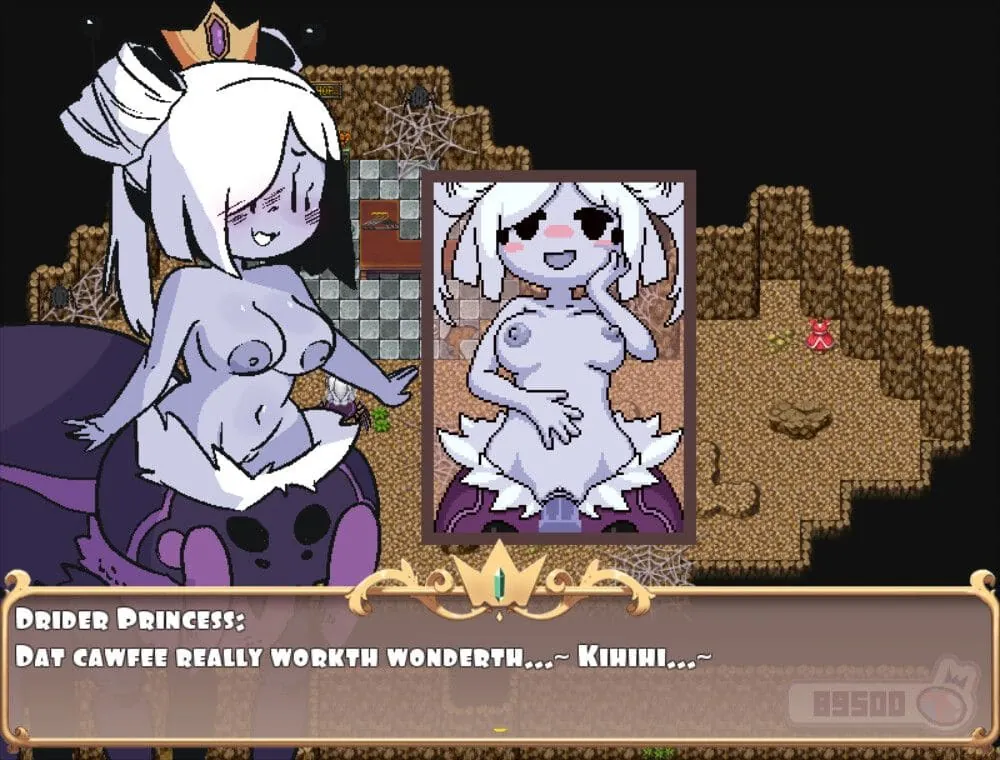
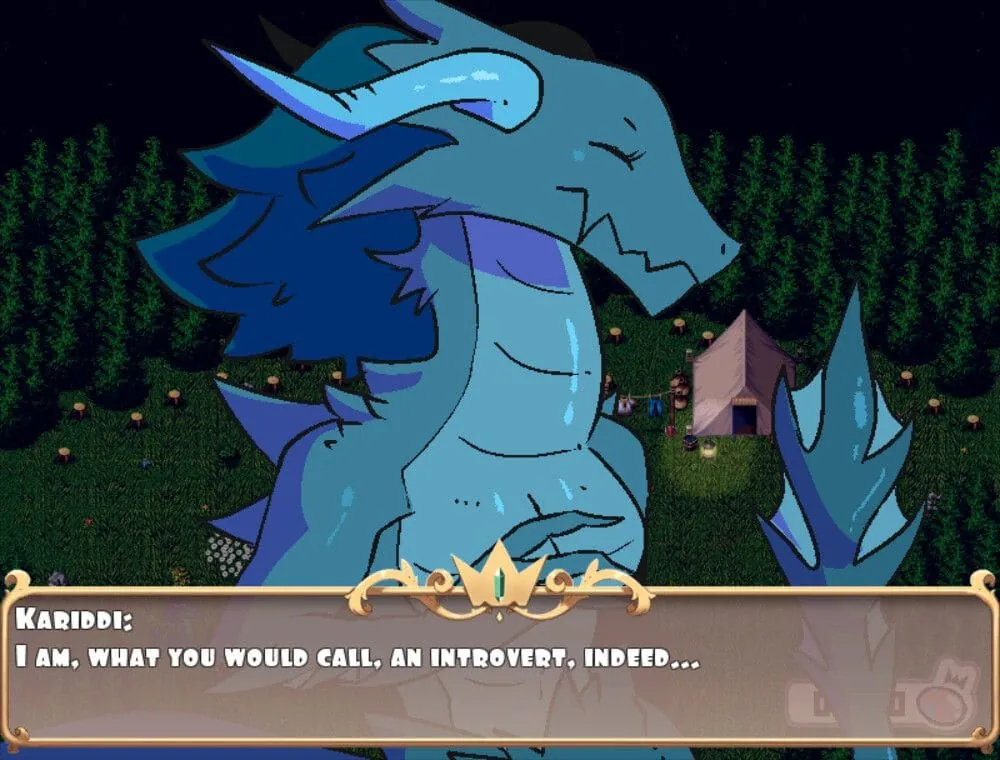
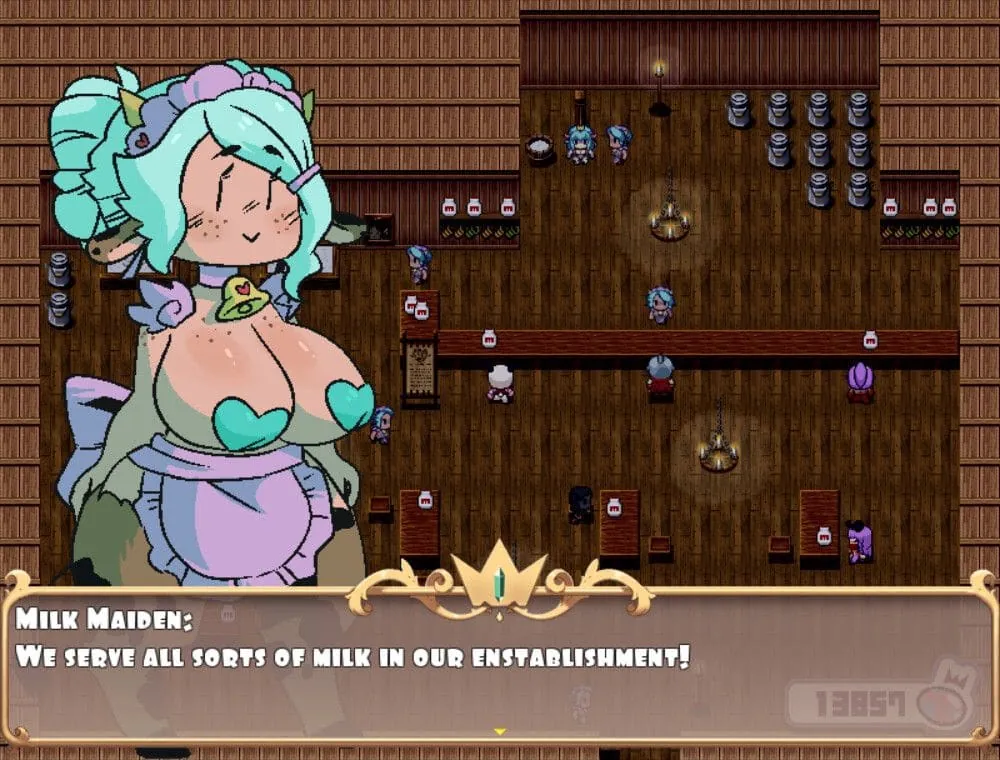
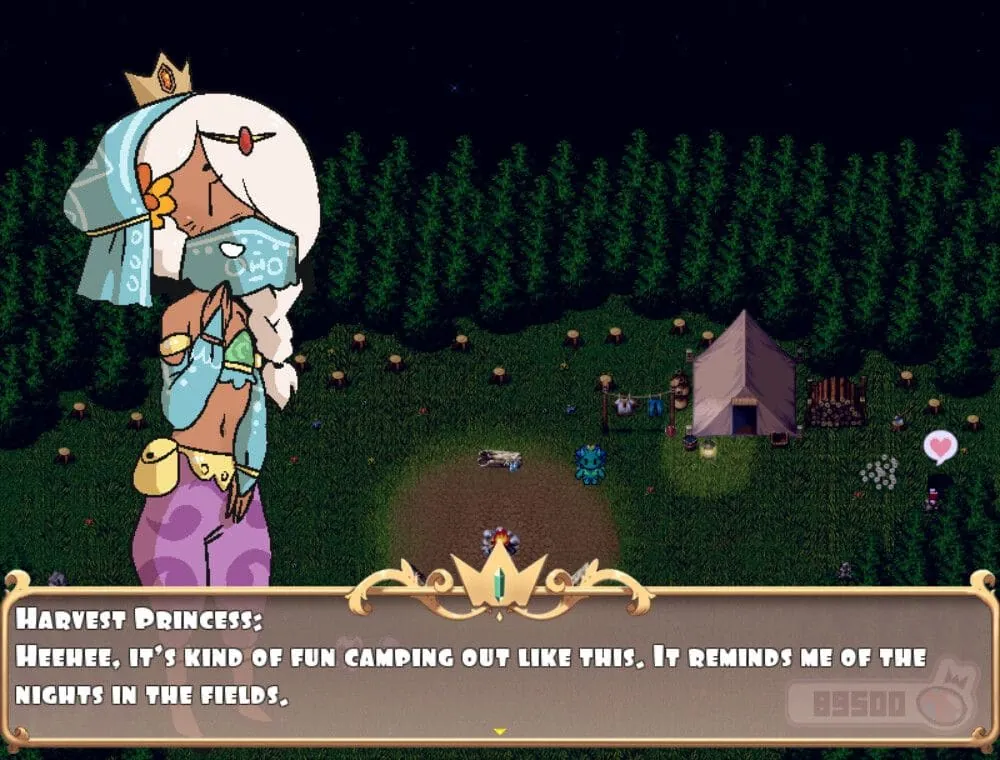
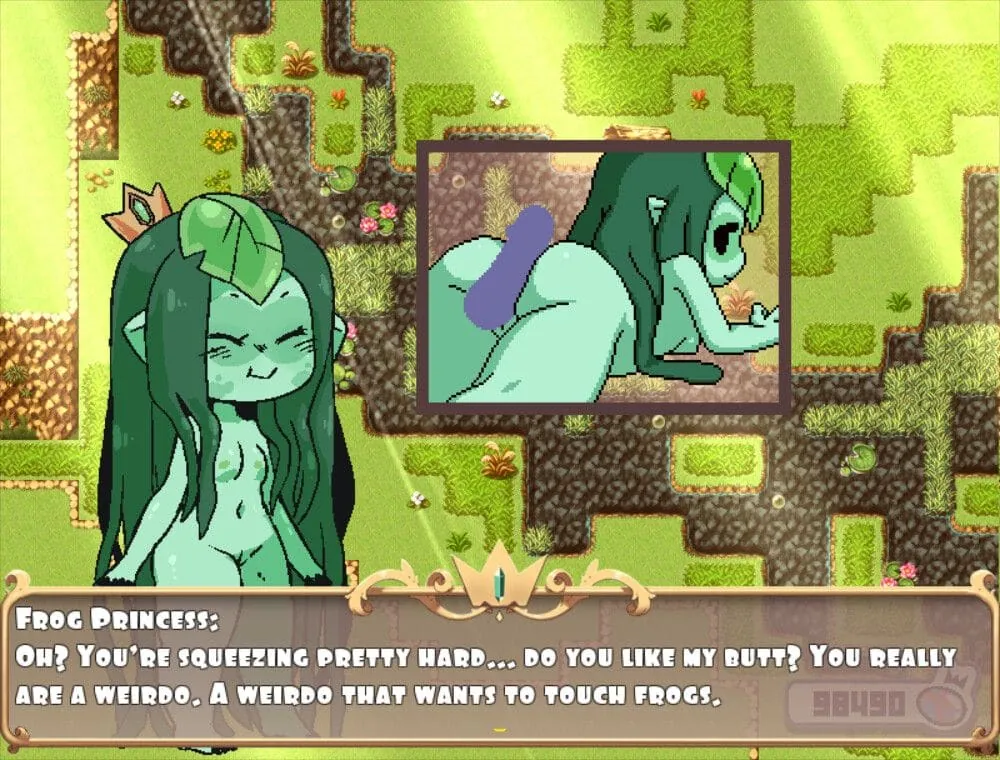
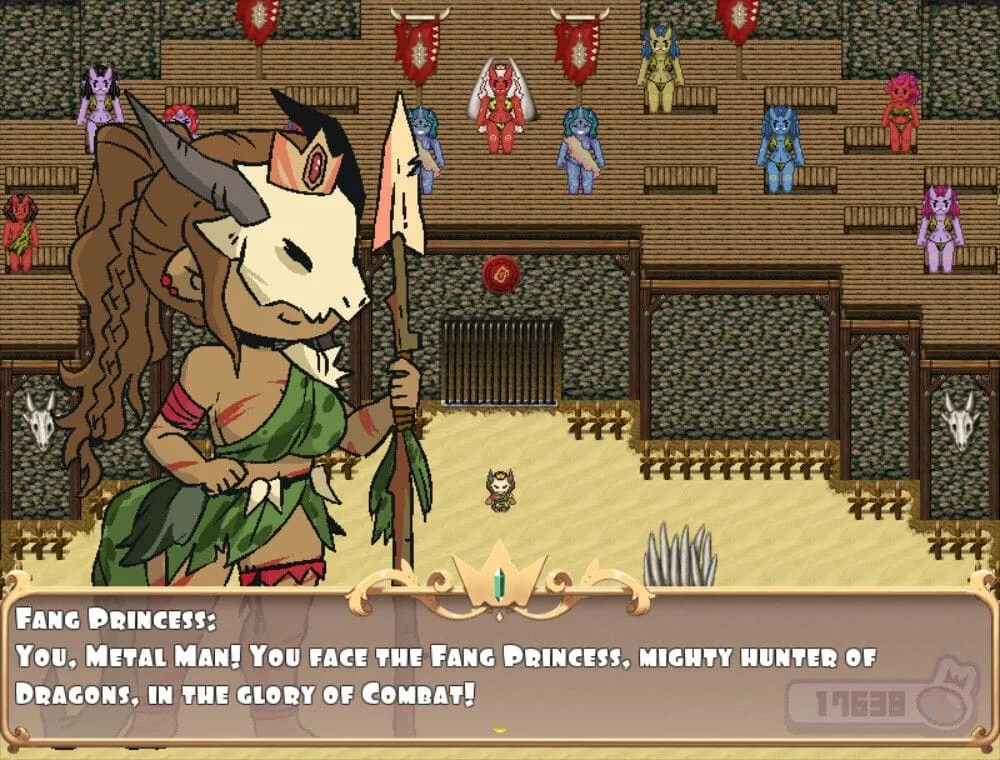
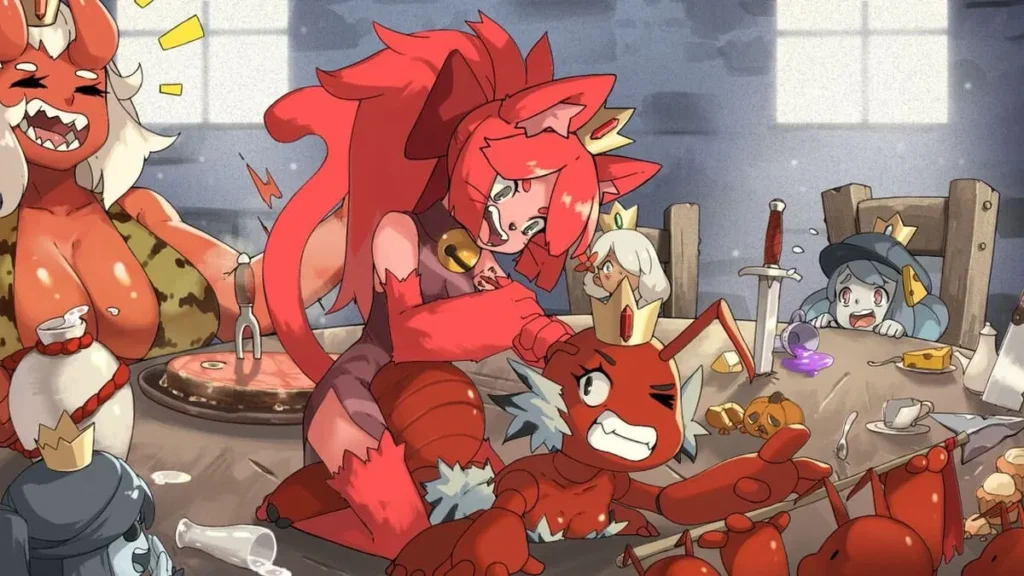
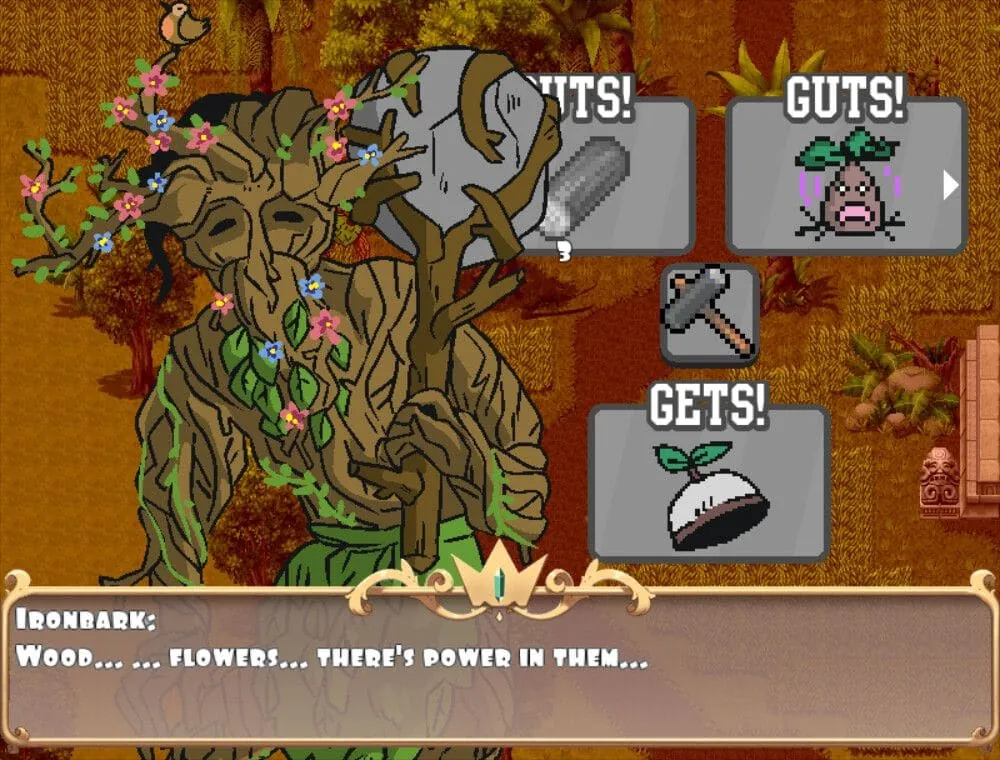
Princess & Conquest stands out as a hybrid RPG that combines role-playing, strategy, and adventure elements into one immersive experience. This game places you in the role of a Knight tasked with determining the fate of a Kingdom thrown into chaos following a mysterious incident. With over 400 different maps, a diverse character system centered around multiple Princesses, and multi-branching storylines, the game offers substantial replay value and player agency. Whether you’re interested in exploration, strategic decision-making, or complex social dynamics, Princess & Conquest delivers a rich gaming experience that challenges both your management skills and moral choices.
Core Gameplay Mechanics and World Exploration
So, you’ve downloaded Princess & Conquest, jumped in, and are now staring at a map the size of a small continent, a dozen quest markers, and a treasury that’s already running low. 😅 You might be asking, “What do I actually do here?” I remember that exact feeling—the thrilling, slightly overwhelming sense of pure potential. This isn’t a game that holds your hand; it throws you into a vibrant, chaotic kingdom and says, “Figure it out.” And that’s the magic.
At its heart, Princess & Conquest gameplay mechanics are a brilliant, chaotic blend. It’s not just an RPG where you level up a hero. It’s not just a strategy game where you manage a kingdom. It’s a living experiment where those genres collide. Your personal story of adventure is woven directly into the grand, unstable tapestry of a realm in turmoil. Understanding this hybrid RPG game features is key to not just surviving, but truly thriving and crafting your own unique legend.
To visualize how these pieces click together, let’s break down the core triad:
| Gameplay Pillar | What It Brings | Your Role |
|---|---|---|
| RPG Elements 🎭 | Character progression, skills, equipment, relationships, and personal story arcs. | You are an individual with strengths, flaws, and personal goals. Your combat prowess and social skills matter. |
| Strategy Components ⚔️ | Kingdom management, resource allocation, army command, and diplomatic statecraft. | You are a leader (or aspirant) making macro-decisions that affect economies, factions, and the balance of power. |
| Adventure Features 🗺️ | Open-world exploration, dungeon delving, secret hunting, and dynamic events. | You are an explorer uncovering the world’s stories, treasures, and hidden dangers firsthand. |
The genius is in the friction. Want that powerful artifact for your character (RPG)? You might need to conquer the dungeon it’s in, angering the local lord (Strategy), which requires you to first explore and find a secret entrance (Adventure). Every action ripples across all three pillars.
Understanding the Hybrid RPG Structure
Forget choosing a class at the start and sticking to it. The hybrid RPG game features in Princess & Conquest are fluid. One day, you might be focused entirely on your personal combat skills, grinding levels in a monster-infested forest to become a legendary warrior. The next, you’re in a throne room, navigating a tense political negotiation that requires charisma and intelligence stats you’ve neglected. 😬 The game doesn’t silo these activities.
This structure means your build is always a response to the world. Early on, I tried to be a pure diplomat, thinking I could talk my way to power. The Kingdom chaos gameplay quickly corrected me. A rival faction besieged a town I was trading with, cutting off my income. My silver tongue was useless against an army. I had to pivot—fast. I invested in leadership skills to muster a militia, which required gold (pushing me into resource management), and then led them into battle (testing my personal combat skills). My “diplomat” became a “commander” out of necessity.
The mission system is the engine of this hybrid approach. You have overarching main missions that push the central narrative of the kingdom’s instability. But layered on top are dozens of dynamic side missions generated by faction relations, world events, and your own actions. A simple side mission to clear bandits from a road (Adventure/RPG) can unveil a plot against the queen (Strategy), which becomes a new main mission. The game brilliantly uses these branching storyline choices within missions to blur the line between personal quest and state affair.
My Tip: Don’t hyper-specialize early. Dabble in a bit of everything—a few combat skills, a point in diplomacy, some attention to your treasury. The chaotic world will soon show you where your gaps are, and that’s when you start specializing meaningfully.
Navigating the Expansive Kingdom and Map System
Let’s talk scale. The promise of open world exploration strategy in Princess & Conquest is delivered with a staggering map featuring over 400 unique locations. This isn’t just big for the sake of it; every forest path, crumbling ruin, and bustling city feels like it has a purpose, a secret, or a problem waiting for someone like you.
Your map is your most important tool, but it’s not a GPS. It shows you the lay of the land—the cities, terrain, and known points of interest—but the true treasures are hidden. Your open world exploration strategy must be active, not passive. This means:
* Talking to everyone: Innkeepers gossip about strange lights in the mountains. Drunk soldiers let slip patrol schedules. Every NPC is a potential clue.
* Going off the beaten path: That dead-end on the map? There might be a cave entrance hidden behind a waterfall. I once found a legendary weapon not in a boss dungeon, but in an unmarked crypt I stumbled into while fleeing a storm.
* Watching the world: The day/night cycle and even weather can change what’s available. A haunted manor might only reveal its spectral inhabitants after dark.
* Embracing the chaos: Random events—like merchant caravans being attacked or festivals erupting in cities—will constantly pull you in new directions. Have the flexibility to ditch your plan and investigate.
Here are the key features that make exploration so compelling:
- Sheer World Size: With 400+ maps, you can play for dozens of hours and still find new villages, dungeons, and hidden events.
- Map Variety: From sun-drenched coastal ports to oppressive swamp villages and frozen mountain peaks, each biome houses different factions, resources, and challenges.
- Mission Types: A healthy mix of directed main quests and organic, emergent side activities that make the world feel reactive.
- Decision Systems: Exploration often presents silent branching storyline choices. Do you loot the ancient altar for quick power (angering the spirits), or leave it be to maintain the area’s peace?
The freedom is absolute. There are no invisible walls telling you an area is “too high level.” You can, and will, wander into regions where the monsters will swat you aside effortlessly. This isn’t poor design; it’s a core tenet of the strategic decision-making game. Part of your strategy is knowing when to retreat, when to sneak, and when you’re finally strong enough to return and claim that territory as your own. The world doesn’t level with you—it exists, stubborn and real, and you must rise to meet it.
Strategic Decision-Making and Resource Management
This is where Princess & Conquest separates the casual adventurers from the true kingdom-shapers. While you’re out exploring and improving your character, the realm is a ticking clock. Factions vie for power, economies fluctuate, and armies march. This pervasive Kingdom chaos gameplay is the backdrop for every decision you make.
Think of it as a grand, interactive chessboard where you are both a piece and a player. Your strategic decision-making game skills are tested in three key areas:
-
Resource Management RPG Fundamentals: Gold is the lifeblood, but it’s not the only currency. You manage reputation with multiple factions, finite special materials for crafting, food for armies, and your own time. Early on, I bankrupted myself outfitting a personal guard, only to realize I couldn’t afford the bribes needed to secure a critical political alliance. I learned to balance personal power with state needs—a classic resource management RPG dilemma.
-
The Path of the Hero vs. The Conqueror: This is the ultimate branching storyline choices mechanic. Your actions consistently push you toward an alignment. Do you spend resources to rebuild a village pillaged by monsters (Hero), or do you extort the survivors for their remaining supplies to fund your own army (Conqueror)? The game doesn’t judge you with a simple morality meter; instead, it changes how the world perceives and reacts to you. Factions will ally with or fear you based on your reputation. Different story paths, allies, and even unique missions unlock based on this evolving identity.
-
Armies and Diplomacy: You won’t change the kingdom alone. You can raise armies, but they cost upkeep. You can form alliances, but they come with obligations. Perhaps you broker peace between two warring dukes (a diplomatic, resource-heavy process), or you let them weaken each other before sweeping in to claim both their lands (a military, high-risk move). Each approach is valid and dramatically alters the geopolitical landscape.
The chaos of the kingdom means your long-term plans will often be disrupted. A key ally city might fall to a surprise invasion, cutting off your best trade route. A dragon might suddenly take up residence in your prime mining territory. This isn’t frustrating—it’s the core gameplay loop. You are constantly assessing, adapting, and re-prioritizing. A setback in one area (lost mines) might force you to explore a new open world exploration strategy to find an alternative resource, which in turn unveils a new story thread.
This constant, beautiful tension between your personal RPG journey and your strategic obligations is what makes Princess & Conquest so special. You’re not just following a story; you are authoring it through a thousand small decisions, each one resonating through the delicate, chaotic ecosystem of the kingdom. Your Princess & Conquest gameplay mechanics mastery is measured not just by the level of your character, but by the lasting impact you leave on the world itself.
Princess & Conquest delivers a sophisticated hybrid RPG experience that successfully blends exploration, strategic gameplay, and narrative depth. The game’s expansive Kingdom with over 400 maps provides endless opportunities for discovery, while the diverse Princess character system creates meaningful relationships that influence your journey. With multi-branching storylines and the freedom to pursue different playstyles—from protective hero to ambitious conqueror—the game encourages multiple playthroughs and experimentation. The combination of role-playing mechanics, strategic resource management, and complex social dynamics creates an immersive world where your decisions genuinely matter. Whether you’re drawn to the pixel art aesthetics, the emotional storytelling, or the challenging gameplay systems, Princess & Conquest offers substantial content and replay value that rewards both strategic thinking and creative problem-solving. For players seeking a unique RPG experience with meaningful choices and character-driven narratives, this game stands as a compelling option in the hybrid RPG genre.