
Peasant’s Quest
Play Peasant’s Quest
Peasant’s Quest Screenshots




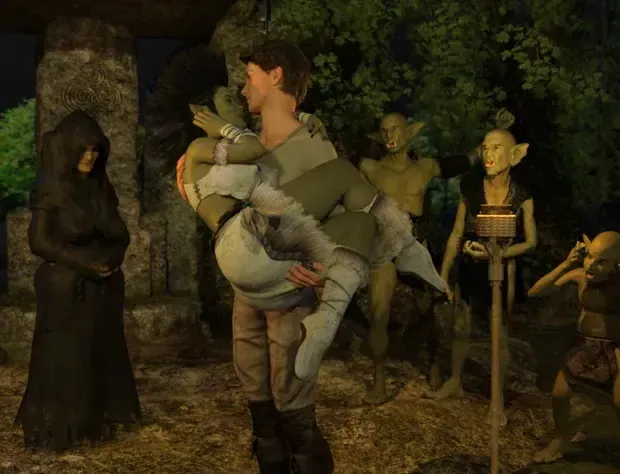



Peasant’s Quest review
Master the Epic Adventures and Secrets in This Thrilling RPG
Ever stumbled upon Peasant’s Quest and felt that rush of curiosity about its immersive world? This RPGmaker gem drops you into a medieval fantasy as a humble villager chasing glory, riches, and steamy encounters. I’ve spent countless hours grinding quests, unlocking hidden paths, and chasing those elusive endings—it’s addictive! From blacksmith forges to spider-infested caves, every choice shapes your journey. In this guide, I’ll share insider tips, full walkthroughs, and strategies to conquer Peasant’s Quest like a pro. Ready to level up your playthrough?
What Makes Peasant’s Quest an Unmissable Adventure?
It was one of those bleary-eyed, 2 a.m. internet rabbit holes. 🕳️ I was scrolling through forums, tired of the same old triple-A RPGs, when a quirky title caught my eye: Peasant’s Quest. The description promised a fantasy adventure where you weren’t the chosen hero, but just some guy trying to make it. I downloaded it on a whim, expecting a short, silly diversion. Five hours later, my coffee was cold, and I was utterly, completely hooked. 😂 That first night, I learned what Peasant’s Quest gameplay is really about: a brilliant, challenging, and often hilarious fight for survival where every choice echoes through your entire run.
So, what is Peasant’s Quest? At its heart, it’s a narrative-driven RPG where you guide a lowly peasant through a dangerous fantasy world. Your goal isn’t to slay the Dark Lord, but to navigate a series of increasingly wild scenarios—from dealing with a shady merchant to exploring monster-infested caves—all while managing your stats, money, and sanity. The genius lies in its adult themes and sharp humor, which are woven directly into the Peasant’s Quest mechanics. A simple conversation can spiral into a stat-check dilemma, and failure isn’t just a game over screen; it’s a story in itself, often a darkly funny one. This isn’t a power fantasy; it’s a “try not to die in a ditch” fantasy, and it’s incredibly compelling.
How Did Peasant’s Quest Capture My Heart on First Play?
My very first run was a disaster, and that’s why I fell in love. 🫀 I created my peasant, dumped most points into Strength because “hit things hard” seemed logical. I ignored Creativity and Cunning, thinking I could talk or think my way out of anything later. Big mistake.
I stumbled into the village and immediately tried to intimidate a guard. My high Strength meant nothing; the situation required Cunning. I was thrown in a cell, lost precious time, and missed early opportunities. Later, I found a strange puzzle in the woods—a statue with a riddle. With my pitiful Creativity stat, my only options were to ignore it or smash it. I smashed it. It cursed me, giving a permanent debuff. I was hobbled before I even reached the first major quest! 💀
But here’s the magic: even as I failed, the game was telling a fantastic story. My brutish, dim-witted peasant was a living character forged by my bad choices. When I finally met a gruesome end in a cave (trying to fight a creature my Peasant’s Quest stats guide knowledge now tells me requires a silvered weapon), I wasn’t frustrated. I was excited. I immediately clicked “New Game.” I had seen a glimpse of the branching paths and wanted to explore them all. That’s the hook. The Peasant’s Quest gameplay loop of experiment, fail, learn, and retry is pure addiction, driven by a desire to see what wild outcomes your stat investments unlock.
Core Mechanics: Stats, Choices, and Progression Explained
The soul of Peasant’s Quest mechanics is its stat system. This isn’t about min-maxing for combat; it’s about defining your peasant’s personality and problem-solving style. Every dialogue choice, environmental interaction, and quest solution is gated by these core attributes. Understanding this is the key to moving from a confused beginner to a master of your fate.
Your primary stats are:
* Strength (S): For brute force, intimidation, and physical tasks.
* Creativity (Cr): For thinking outside the box, crafting, and artistic solutions.
* Cunning (C): For lies, persuasion, trickery, and spotting secrets.
* Willpower (W): For resisting temptations, fears, and mental assaults.
* Luck (L): A passive stat that influences random events and finding money.
Here’s the crucial part: conversation is combat. A typical exchange might offer you three responses: a Cunning lie (C>7), a Creative jest (Cr>5), or a Strong-arm threat (S>9). Your choice and whether you pass the stat check will reward you with money, items, information, or alter your relationship with the character. For example, choosing a Cunning option when your Cunning is higher than your Strength might net you +3 Money, while failing might cost you reputation. This stat-based dialogue is the core of Peasant’s Quest gameplay, making every interaction a strategic decision.
Exploration is equally important. The world is filled with locations like the village square, the dark forest, and the lonely cave. Clicking on everything is a valid Peasant’s Quest beginner tip! A seemingly empty barrel might yield a hidden coin if your Luck is high, and a strange mural might reveal a secret passage if you inspect it with high Creativity. Items you find are often not just for quests; they can be used in unexpected ways defined by your stats. A “Rusty Dagger” might be a Strength tool for prying, or a Creativity tool for crafting something new.
Progression is measured in your peasant’s growing wealth, influence, and survival. There is no traditional “level up.” Instead, you occasionally get chances to permanently increase a stat by one point, usually after key events. This makes each point precious and your build permanently unique to that playthrough. The ultimate goal is to reach one of the game’s multiple endings, which are radically different based on the stats you’ve cultivated and the choices you’ve made.
To help visualize how these stats directly shape your adventure, here’s a quick reference table:
| Stat | Primary Effect | Example Outcome |
|---|---|---|
| Strength (S) | Physical force, intimidation, breaking objects. | Bend the prison bars to escape. Intimidate a thug into giving you information. |
| Creativity (Cr) | Lateral thinking, crafting, artistic expression. | Compose a ballad to distract a bard. Combine a rope and hook to make a climbing tool. |
| Cunning (C) | Deception, persuasion, shrewd negotiation. | Convince the merchant you’re a tax collector. Trick a monster into falling into a pit. |
| Willpower (W) | Mental fortitude, resisting corruption/ fear. | Ignore a haunting whisper in the caves. Resist the urge to steal a powerful, cursed artifact. |
| Luck (L) | Influencing random events, finding hidden loot. | Find extra coins in a hollow tree. A stray arrow misses you in an ambush. |
Why Peasant’s Quest Stands Out in RPGmaker Games
The Peasant’s Quest RPGmaker foundation is obvious, but the game uses the engine’s limitations as a springboard for incredible creativity. 🎨 While many RPGmaker titles follow traditional JRPG tropes, Peasant’s Quest carves its own niche with a distinctly Western, text-and-choice-focused approach. It proves that you don’t need cutting-edge graphics to create deep, reactive Peasant’s Quest gameplay; you need sharp writing and clever systems.
Where it truly shines is in its embrace of adult themes and consequences. This isn’t just about “mature content” for shock value. It’s about presenting a world where greed, lust, cowardice, and ambition are valid driving forces for your character. A choice to betray a friend for gold is often available, and it might be the most statistically sound decision for that run! This moral flexibility, tied directly into the stat checks, creates a layer of strategic role-playing that few games in any engine achieve. The Peasant’s Quest mechanics force you to live with your peasant’s personality, for better or worse.
Furthermore, its approach to replayability is genius. Most games offer a “good” and “evil” path. Peasant’s Quest offers a “Strong path,” a “Creative path,” a “Cunning path,” and countless hybrids, each unlocking completely different quest solutions, dialogue trees, and endings. Seeing how a high-Creativity peasant solves a problem versus a high-Cunning one feels like playing two different games. This makes consulting a Peasant’s Quest stats guide after your first blind run so rewarding—you discover entire scenes and outcomes you never knew existed.
My “aha!” moment came on my third run. I focused on Cunning and Creativity, ignoring Strength almost entirely. I faced the same cave creature that killed me on my first try. Instead of fighting, I used my high Cunning to notice its weakened leg and my Creativity to improvise a trap using rope and a stalactite. I defeated it without swinging a weapon once. 🎯 That victory wasn’t about gear or levels; it was a direct result of my stat build and choices. It perfectly encapsulated why the Peasant’s Quest RPGmaker experience feels so personal and rewarding.
The single best Peasant’s Quest beginner tip I can give is this: save often, in different slots. The game features permadeath and point-of-no-return decisions. Having multiple save files lets you branch your own story and recover from a fatal stat check without losing everything.
If you’re looking for a rich, challenging, and unforgettable text-based adventure that prioritizes player agency and smart role-playing, your search ends here. Mastering its systems is a delight, and each failed run is just a lesson for the next epic, and likely disastrous, tale. This is just the surface of the village well, though. In future guides, we’ll dive into secret events, optimal early-game stat distributions, and how to reach that elusive golden ending.
Before you go, learn from my many, many failures! Here are the top 5 beginner mistakes to avoid:
- Ignoring Stat Balance Early On: Don’t specialize too hard in the first hour. Having a 10 in Strength and a 2 in Cunning will lock you out of crucial early story paths and money-making opportunities.
- Fighting Every Monster: This isn’t that kind of RPG. Many encounters are designed to be solved or avoided with stats. Engaging in direct combat is often the most dangerous and least rewarding solution.
- Not Exploring Every Pixel: The world is dense with interactive elements and hidden triggers. That “flavor text” tree stump might be a secret stash for a high-Luck character. Click everything!
- Spending Money Frivolously: Early money is scarce. That fancy sword might seem cool, but saving for a key information purchase or a bribe can open far more important doors.
- Assuming Failure is Bad: Some of the best, funniest, and most unique story beats come from failing a stat check. Don’t quick-load immediately! See where the failure takes you; it might be a better story.
Diving into Peasant’s Quest transformed my gaming nights into epic tales of triumph and tantalizing twists. From mastering stats and cracking conversations to uncovering secret endings, you’ve got the tools to forge your legend. My favorite run? The one where clever choices led to riches beyond dreams—yours could be next. Grab the game, hit play, and share your wildest achievements in the comments. What’s your go-to strategy? Let’s quest together!