Mist
Play Mist
Mist Screenshots









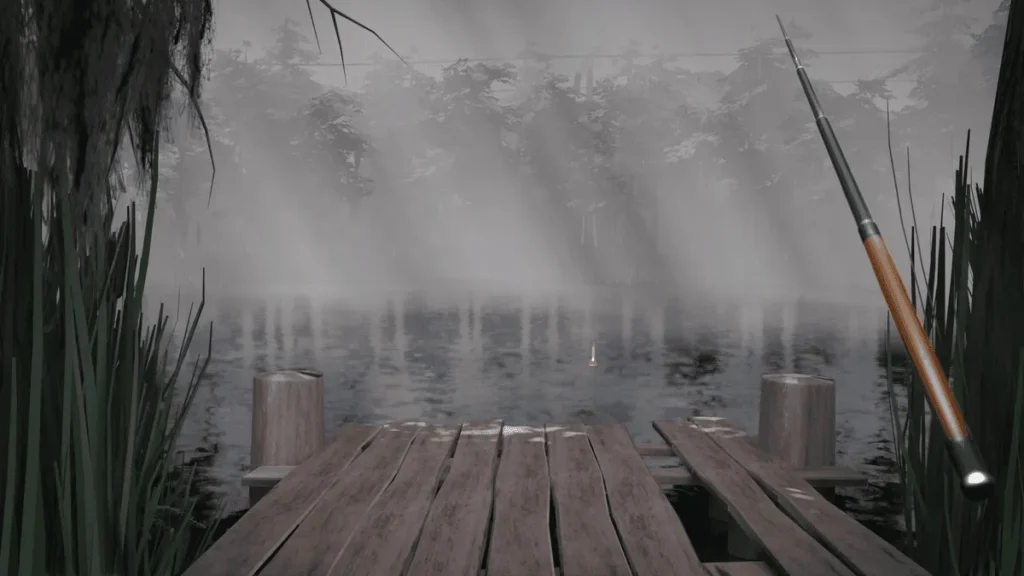


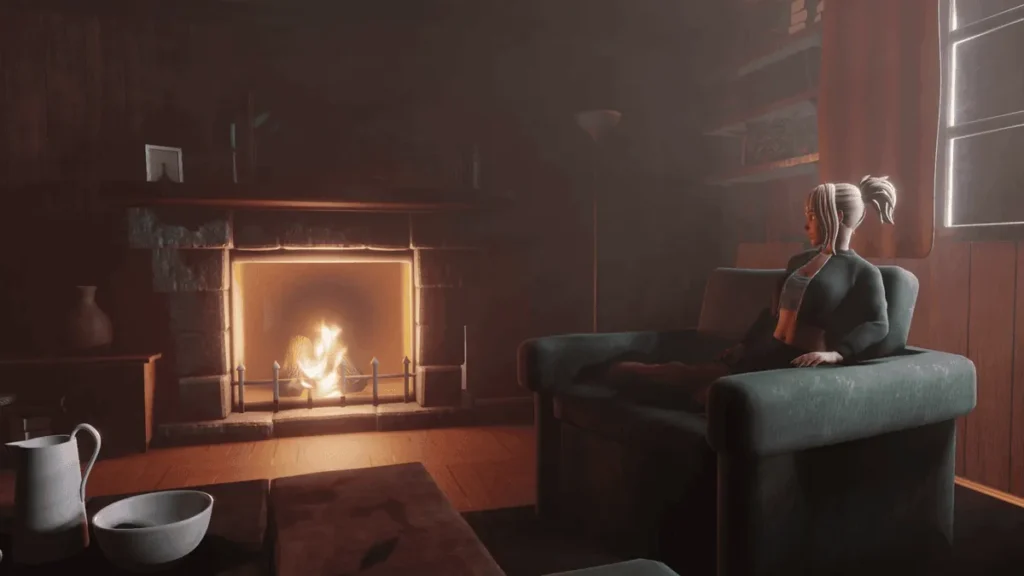
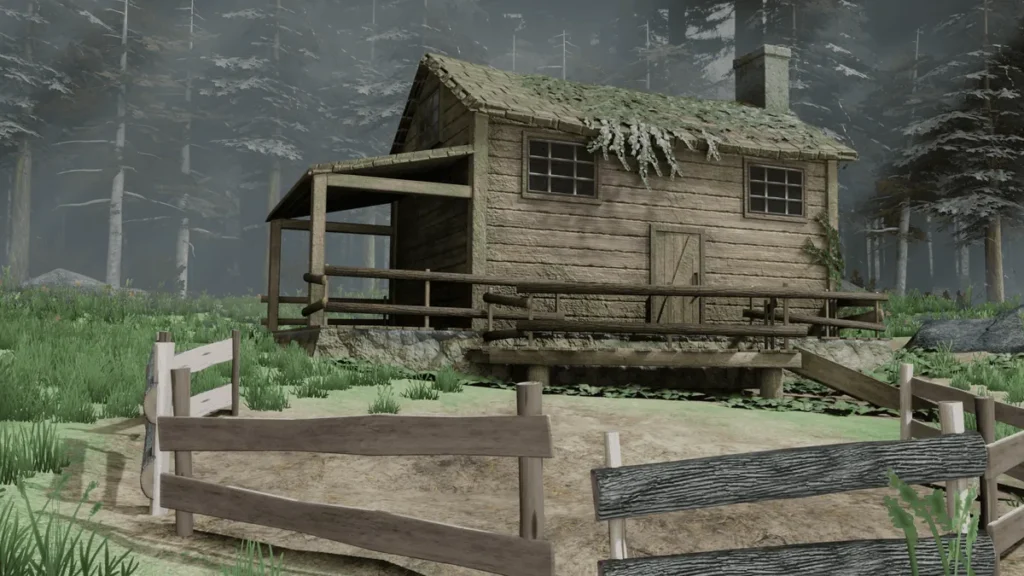
Mist review
An immersive guide to the captivating world and mechanics of Mist
Mist is a captivating game that draws players into a mysterious and immersive environment where exploration and interaction are key. This article explores the unique gameplay mechanics, atmospheric design, and puzzle-solving elements that make Mist stand out. Whether you’re new to the game or looking to deepen your experience, this guide offers insights and practical advice to help you navigate the enigmatic fog and uncover the secrets hidden within.
Understanding Mist’s Core Gameplay and Exploration
Forget everything you think you know about getting lost in a video game. In Mist, being lost isn’t a sign you’ve failed—it’s the whole point. 🗺️ This isn’t a world of glowing map markers and intrusive quest logs. Here, your greatest tool is your own curiosity, and your most constant companion is the ever-shifting, enigmatic fog. The entire philosophy of Mist game exploration is built on a simple, beautiful idea: the journey of discovery is the progression. You don’t level up a character; you level up your own understanding. Let’s pull back the veil and dive into the systems that make this such a uniquely captivating experience.
How Does the Dynamic Fog System Shape Exploration?
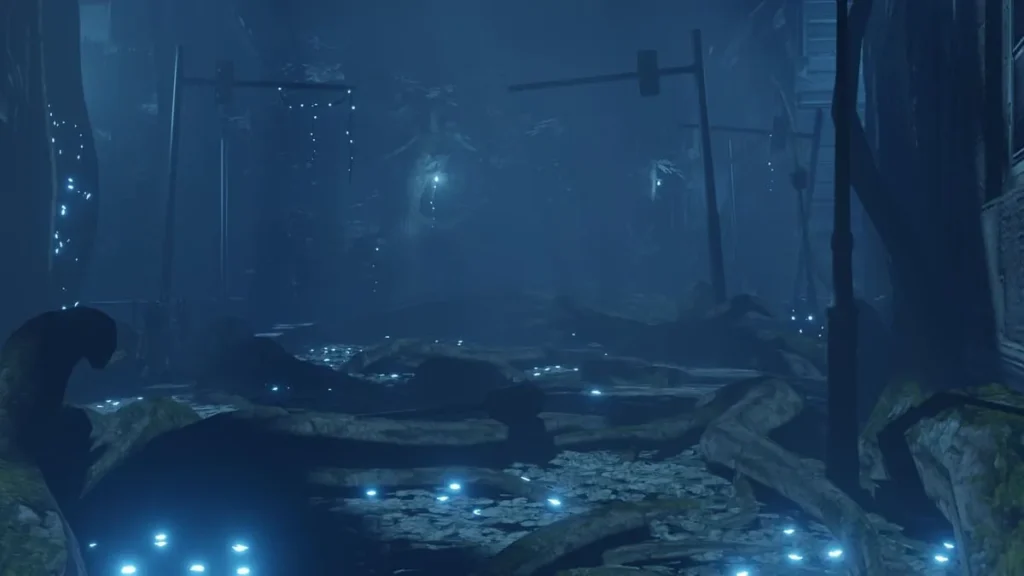
Right from the start, the dynamic fog system isn’t just a visual effect—it’s the game’s primary narrator, guide, and gatekeeper. I remember my first real “aha!” moment, staring at a cliff face that seemed to be a dead end. The fog was thick and dull grey, obscuring everything. I almost turned back, but I decided to wait, watching the light change. Slowly, as the in-game day shifted, the fog thinned and took on a faint, golden hue. Suddenly, what I thought was solid rock shimmered, revealing a path of luminous glyphs leading upward. My mind was blown. ✨
This is the heart of exploration gameplay in Mist. The fog’s density and color are direct responses to the environment, time, and sometimes your own actions. A thick, murky fog might conceal dangers or hide paths, forcing cautious movement. A vibrant, colored fog often acts as a key, revealing hidden inscriptions, altering the state of ancient machinery, or even changing the physical properties of surfaces. You learn to “read” the fog like a sailor reads the sea.
Mist game tip: Stop sprinting. The most rewarding discoveries come from patient observation. Watch how the fog flows, note its color changes near certain structures, and listen. The soundscape often changes with the fog’s density, offering audio clues.
To give you a clearer picture of how these systems interconnect, here’s a breakdown of the core gameplay features:
| Core Feature | How It Works | Impact on Your Journey |
|---|---|---|
| The Dynamic Fog | Shifts in density and color based on time, location, and puzzle states. Acts as a visual puzzle layer and world modifier. | Transforms the landscape, revealing or concealing paths, secrets, and interactive elements. Directly gates progression. |
| Environmental Interaction | Direct manipulation of light sources, ancient artifacts, and movable objects to influence the fog and world state. | Puzzles are solved by altering the environment, not an inventory. Creates a tangible, cause-and-effect link to the world. |
| Echo Sight | A progression ability unlocked through knowledge. Allows you to see residual “echoes” of past events or hidden energy flows. | Fundamentally changes how you perceive areas, revealing layered histories and solutions invisible to the naked eye. |
| The Personal Journal | An auto-updating log that records glyphs, patterns, environmental changes, and your own sketched observations. | Your external memory. Critical for solving complex, multi-stage puzzles that span different regions of the map. |
Key Puzzle Mechanics and Environmental Interaction
If the fog sets the stage, then environmental interaction in Mist is the play. You won’t find a single lock-and-key puzzle here. Instead, solutions are woven into the world itself. The Mist puzzle mechanics are all about observation, experimentation, and making connections.
A classic example involves light manipulation. You might find a dormant crystal pedestal and a shattered lens scattered nearby. The puzzle isn’t just “find the lens pieces.” It’s about noticing that the afternoon sun, when filtered through a specific natural archway, casts a beam in a particular spot. You must repair the lens (often by simply aligning fragments in the world, not in a menu) and then position it to catch that specific beam and redirect it to the pedestal. This action might cleanse a area of corrupting fog, unveiling a new zone. 🔦
These puzzles demand you live in the world. You’ll be aligning celestial symbols on rotating stones, not because a journal entry told you to, but because you noticed their patterns match constellations you’ve seen etched elsewhere. You’ll activate artifact sequences by replicating sound patterns you heard in the fog. The genius is that failure is just as informative as success. If a sequence is wrong, the world reacts—maybe the fog darkens, or a harmless path collapses—teaching you through consequence.
Personal Insight: Don’t be afraid to “break” a puzzle. Sometimes triggering a wrong sequence is the only way to see how the machinery or fog reacts, giving you the final clue you need.
Player Progression: Growing Through Knowledge
So, how do you get stronger in a world with no experience points or skill trees? Your power curve is a knowledge curve. The most significant upgrade you’ll ever receive is Echo Sight progression.
You don’t just find this ability in a chest. You unlock it by piecing together ancient lore, understanding fundamental glyphs, and essentially proving to the world (and yourself) that you are ready to see deeper truths. The first time I activated Echo Sight in a familiar grove, I was stunned. Where there was once just mossy stone, I now saw glowing footprints of long-gone inhabitants, heard phantom whispers of their conversations, and saw the ghostly outline of a bridge that had collapsed centuries ago. 🌉
This is the pinnacle of Mist game exploration. Echo Sight allows you to perceive multiple layers of history simultaneously, turning every location into a palimpsest of stories. A wall isn’t just a wall; it’s a battlement from one era, a sacred mural from another, and the site of a personal tragedy from a third. Puzzles that seemed impossible suddenly have solutions written in these spectral echoes.
Your other vital tool is your journal. This isn’t filler; it’s your brain outside your body. It automatically catalogs every unique glyph, documents environmental changes you’ve triggered, and maps the fog’s behavior in different areas. When you’re stuck on a puzzle in the Northern Peaks, the solution might be in a glyph pattern you sketched days ago in the Sunken Forest. Mist game tips always come back to this: review your journal constantly. The connection you need is probably already there, waiting for you to make it.
Ultimately, playing Mist is a profoundly personal journey. Your progression is measured not in numbers, but in the growing confidence with which you read the fog, the satisfying clicks of understanding as environmental puzzles unravel, and the awe of witnessing history through Echo Sight. It’s a game that trusts you, the player, to be intelligent and observant. Your reward for engaging deeply with its exploration gameplay is the most powerful feeling of all: the thrill of genuine, unguided discovery. 🏆
Mist offers a uniquely immersive experience that blends atmospheric exploration with thoughtful puzzle-solving. By understanding the dynamic fog system, engaging deeply with environmental puzzles, and focusing on knowledge-based progression, players can fully appreciate the depth and mystery the game presents. Embrace the challenge, explore carefully, and let the mist guide your journey into this enigmatic world.