Love and Submission
Play Love and Submission
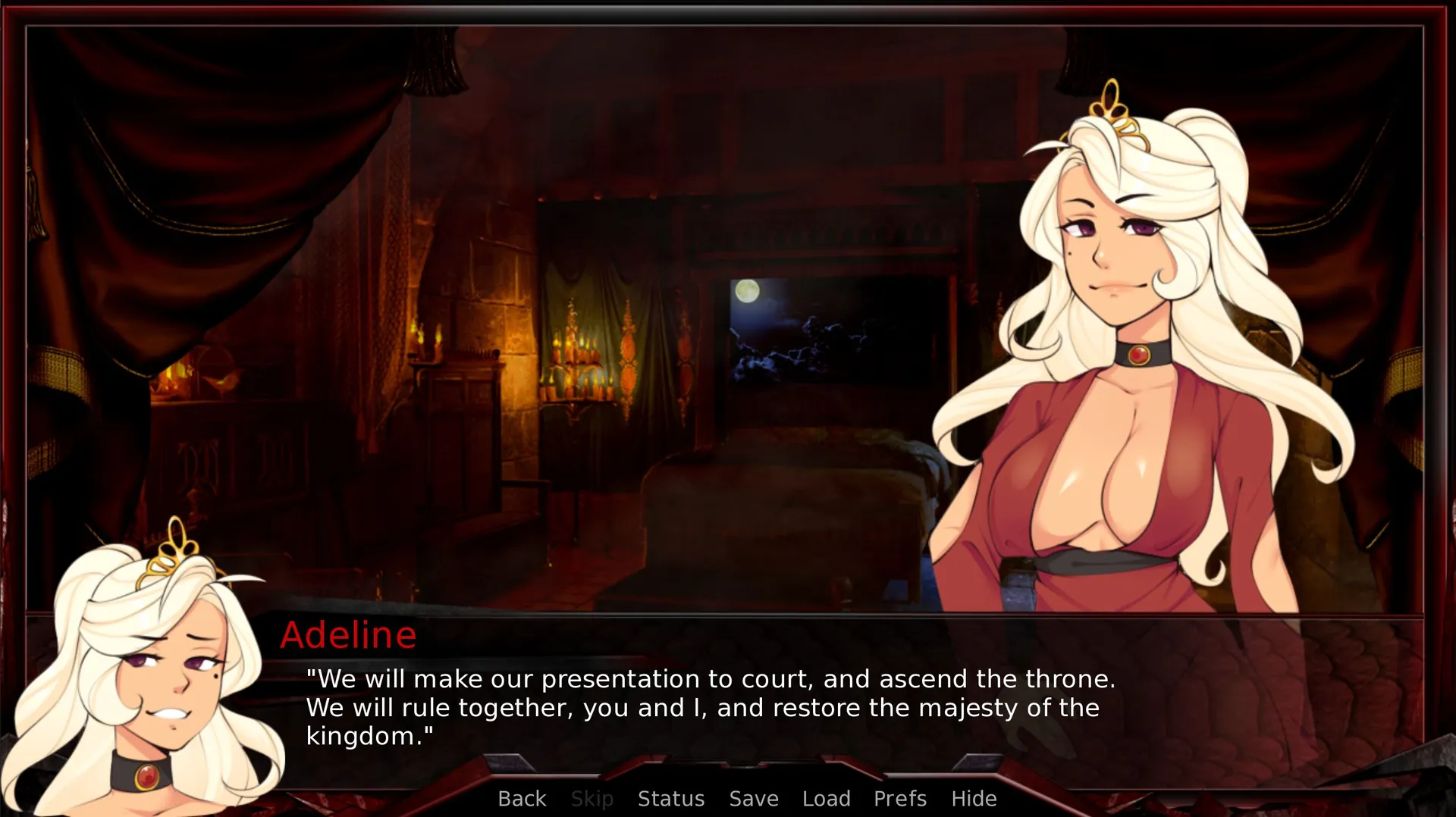
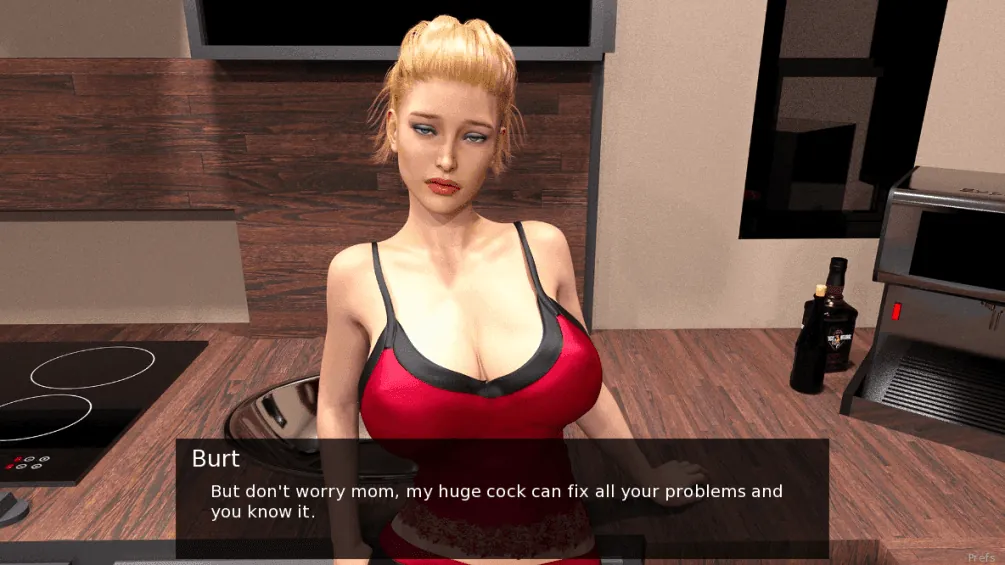
Love and Submission Screenshots













Love and Submission review
Master relationship mechanics, unlock all endings, and navigate complex choices in this narrative-driven adult visual novel
Love and Submission stands out as a narrative-rich adult visual novel that puts player agency at the center of the experience. Unlike linear storytelling, this game thrives on meaningful choices that ripple through your journey from the moment you return to your hometown after years away. The core appeal lies in its sophisticated relationship management system, branching storylines, and the freedom to shape your own destiny through dialogue decisions and strategic time management. Whether you’re drawn to romantic connections or exploring alternative relationship dynamics, understanding the game’s mechanics is essential to unlocking its full potential and discovering the multiple endings that make each playthrough uniquely personal.
Understanding Love and Submission Core Mechanics and Gameplay Systems
Ever feel like you’re just clicking through a visual novel, hoping for the best, only to hit a brick wall or an ending you never wanted? 😩 I’ve been there. When I first started playing Love and Submission, I treated it like any other story—choosing what I thought was right. Big mistake. I quickly learned that this isn’t just a story you read; it’s a intricate world you manage. The Love and Submission gameplay mechanics are a deep, interwoven system where every smile, every gift, and every word has weight.
Think of it less as a book and more as a delicate ecosystem. Your character relationship management game skills are constantly tested through a hidden web of numbers, flags, and memories. This chapter is your field guide. We’re going to break down the core systems so you can move from confused to confident, understanding exactly how your choices ripple through the lives of Becky, Lily, Mira, and the others. Let’s master the foundations.
How Relationship Points and Hidden Flags Shape Your Story
At its heart, Love and Submission is powered by two invisible engines: the relationship points system and a labyrinth of hidden flags visual novel enthusiasts know are crucial. These are the silent judges of your every move.
Relationship Points (RP) are the bedrock. Each character has their own separate, hidden meter tracking your standing with them. This isn’t just “like” or “dislike.” It’s a nuanced measure of trust, affection, respect, and sometimes, dependence. Giving Lily a thoughtful gift might earn +2 Lily RP, while insisting on paying for everything might actually cost you -1 RP with her, as it clashes with her independent streak. 😤 These points are cumulative and persistent; they don’t reset. They act as keys, gating entire conversations, intimate scenes, and crucial story branches. If you don’t have enough Becky RP by Episode 7, for instance, a vital path of support simply won’t open for you.
But points alone are too blunt an instrument for a sophisticated character relationship management game. That’s where Hidden Flags come in. These are binary switches—TRUE or FALSE—that are flipped by specific, often singular actions. While RP asks “How much do they like me?”, a hidden flag asks “Did I do that one specific thing?”
- Example: Early on, you might have the option to notice a small detail about Mira’s childhood in a photograph. Choosing to comment on it doesn’t give a huge RP boost, but it sets the
Mira_SharedMemory_Flag = TRUE. Chapters later, when she’s facing a crisis, that flag being TRUE unlocks a unique, tender dialogue option that can radically alter her story path. If it’s FALSE, that option simply doesn’t exist in your game universe.
My personal “aha!” moment came with Becky. I’d built high RP with her through consistent kindness, but I kept hitting a wall where she’d shut down conversations about her past. I replayed an early chapter and found a seemingly inconsequential choice: asking “Are you sure you’re okay?” versus giving her space with “I’m here if you need me.” The former, out of misplaced concern, set a Becky_Smothering_Flag. The latter, which respected her boundaries, set a Becky_TrustsYourPatience_Flag. That single, early flag determined whether she opened up to me in Episode 9 or built an emotional wall. This is the power of hidden flags visual novel design at its best.
Actionable Tip: Don’t play to “max out” points with everyone at once. It’s nearly impossible. Focus on 2-3 characters per playthrough, making choices consistent with the personality you’re crafting for the MC. The flags will follow naturally.
Dialogue Choices and Their Lasting Consequences
If relationship points and flags are the skeleton, then dialogue choices consequences are the flesh and blood of the experience. This is where Love and Submission gameplay mechanics truly shine. Forget the idea of “good” or “bad” choices. Think in terms of character alignment and narrative direction. Every line you speak reinforces who you are in this world and how its inhabitants see you.
The game has a long, unforgiving memory. Characters will reference minor comments you made days (in-game weeks) ago. Agree with Caitlyn’s cutthroat business tactic in one scene, and she’ll cite your agreement as justification for a more ruthless move later, potentially alienating another character who overheard. This creates an incredibly rich tapestry of branching narrative choices that feels uniquely yours.
Let’s look at a real-world example from my playthroughs. In an early interaction with Amy, she’s nervous about an upcoming social event.
* Choice A (Protective): “Just stick close to me. I won’t let anyone bother you.”
* Choice B (Introspective): “What’s the worst that could happen? Sometimes facing the fear is how we grow.”
Path A boosts RP in the short term and sets a flag painting the MC as a protector. It leads to a sweeter, more dependent dynamic where Amy looks to you for safety. However, it can later block story branches where she needs to find her own confidence, potentially locking you out of her most empowered ending.
Path B might initially yield fewer RP and even briefly hurt her feelings. But it sets a Fostered_Independence_Flag. This pays off massively later, unlocking scenes where she tackles challenges on her own, leading to a more mature, resilient relationship and her most fulfilling conclusion. This is a perfect illustration of dialogue choices consequences with no “right” answer, only different futures.
To visualize how this works across different characters, let’s break it down:
| Character | Dialogue Choice Example | Immediate Emotional State | Hidden Flag Set / Path Unlocked |
|---|---|---|---|
| Becky | “You don’t have to talk about it.” (Respectful) vs. “Tell me what’s wrong.” (Pushing) | Vulnerable (Open) vs. Stressed (Closed) | Unlocks deeper confidence-sharing later vs. Triggers defensive arguments |
| Lily | “That was incredibly clever.” (Praise Intellect) vs. “You look amazing tonight.” (Praise Appearance) | Happy (Seen) vs. Happy (Flattered but Wary) | Strengths intellectual connection path vs. Redirects to more surface-level, physical path |
| Mira | “I handled the situation myself.” (Confident) vs. “We need to discuss this.” (Collaborative) | Intrigued / Impressed vs. Respectful / Partnered | Opens dominant/submissive story tracks vs. Reinforces a balanced power dynamic |
😲 See how complex it gets? Your role in each relationship is sculpted word by word. This system demands you think not just about what you want now, but who you want to become, and who you want your partner to be alongside you.
Resource Management and Time-Based Decision Making
Welcome to the final layer of strategy: the gritty reality of stat management adult game design. In Love and Submission, you aren’t just managing hearts; you’re managing a life. Your MC has stats—Charm, Confidence, Intelligence—and finite resources: time and money. These practical constraints are what transform the narrative from a fantasy into a compelling, high-stakes simulation.
Character Stats as Gatekeepers: Your stats are not just numbers; they are permission slips. Want to deliver a witty retort that wins over the room? You’ll need a minimum Charm score. 🎭 Need to analyze a complex legal document to help a character? That’s Intelligence. Attempting a bold, direct confrontation without sufficient Confidence will result in a faltering, unsuccessful version of the dialogue. This makes the Love and Submission gameplay mechanics deeply rewarding—you must invest in your MC’s growth to unlock the most impactful branching narrative choices. Improving stats often requires spending time on activities (reading, working out) instead of directly with characters, creating constant, meaningful trade-offs.
The Tyranny of the Clock: The in-game week is your most precious and non-renewable resource. Every action—visiting someone, working a shift, hitting the gym—consumes a time block. You cannot see everyone and do everything in a single run. This time-based decision making is the core of strategic play.
- Spending an evening with Becky might strengthen your bond and advance her plot.
- Spending that same evening at the library boosts Intelligence, which might unlock a critical option to save Mira’s career three episodes from now.
- Choosing to work an extra shift gives you more money for meaningful gifts (which can provide major RP boosts or clear specific flags) but leaves you too tired for certain nighttime events.
This is where the stat management adult game aspect truly merges with the narrative. You’re not just choosing a story; you’re budgeting for it. In one playthrough focused on Lily, I prioritized Charm and social events, leading to a glamorous, socially-powerful path. In another, focusing on Mira, I pumped Intelligence and spent my money on books and courses, which led to a completely different set of story resolutions centered on intellectual partnership and problem-solving.
Actionable Tip: At the start of each new in-game week, pause. Look at your stats, your money, and the known upcoming events. Make a rough plan. “This week, I need to boost Confidence by 2 points for the weekend event, and I must visit Becky before Thursday to maintain her trust.” This proactive approach is the key to mastery.
Recognizing Emotional States: Briefly touching on this—characters display moods like Happy, Angry, Vulnerable, or Stressed. These are contextual clues. Approaching Lily when she’s Angry with a joke is disastrous. Approaching her when she’s Vulnerable with a kind, open-ended question can fast-track intimacy. Learning to read these states and adapt your dialogue and actions accordingly is an essential skill in this character relationship management game.
—
Mastering Love and Submission isn’t about finding a walkthrough. It’s about understanding this elegant, punishing, and rewarding machine. The relationship points system builds the foundation, the hidden flags visual novel tech defines the branching roads, and your dialogue choices consequences steer the car. All while you juggle the very real demands of stat management adult game life. It’s a breathtaking dance between narrative desire and practical resource management.
My final, personal insight? Embrace the replay. Your first run is for learning the language. Your second is for applying it. By your third, you’ll be orchestrating branching narrative choices with the precision of a conductor, fully appreciating the genius of Love and Submission gameplay mechanics. Now, go build your unique story.
Love and Submission delivers a compelling experience that transcends typical adult game conventions through its sophisticated relationship mechanics and genuinely consequential storytelling. The game’s strength lies in how it respects player agency—every choice, from dialogue selections to resource management decisions, shapes your unique narrative journey. With multiple character arcs, diverse relationship paths, and numerous endings to discover, the game rewards both careful strategic planning and organic exploration. Whether you’re experiencing your first playthrough or systematically unlocking hidden content on subsequent runs, understanding the underlying systems of relationship points, hidden flags, and character emotional states transforms the experience from passive entertainment into an engaging interactive narrative. The combination of high-quality artwork, well-written scenes, and meaningful player choice creates a memorable experience that justifies multiple playthroughs. For players seeking a narrative-driven adult game that prioritizes storytelling and consequence, Love and Submission stands as a benchmark for the genre, offering depth, variety, and genuine replay value that keeps players invested in discovering every possible story variation.