
Fashion Business
Play Fashion Business
Fashion Business Screenshots







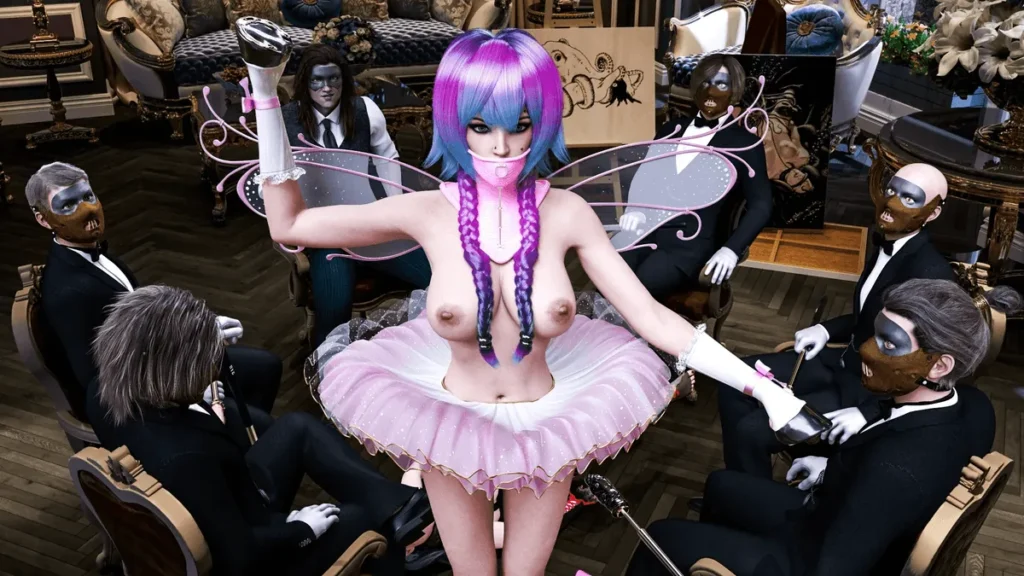
Fashion Business review
A practical, first-person guide to playing and understanding Fashion Business
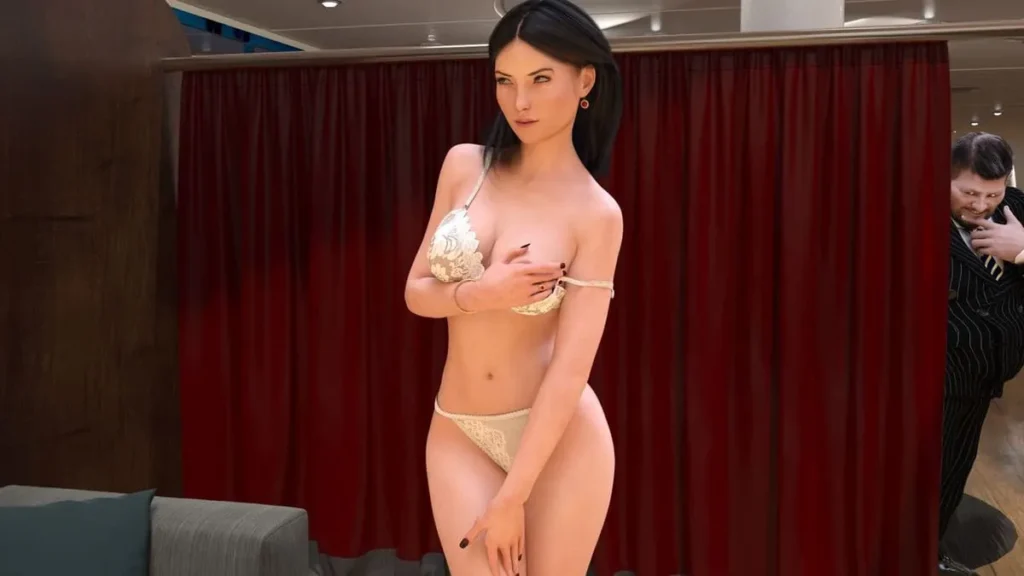
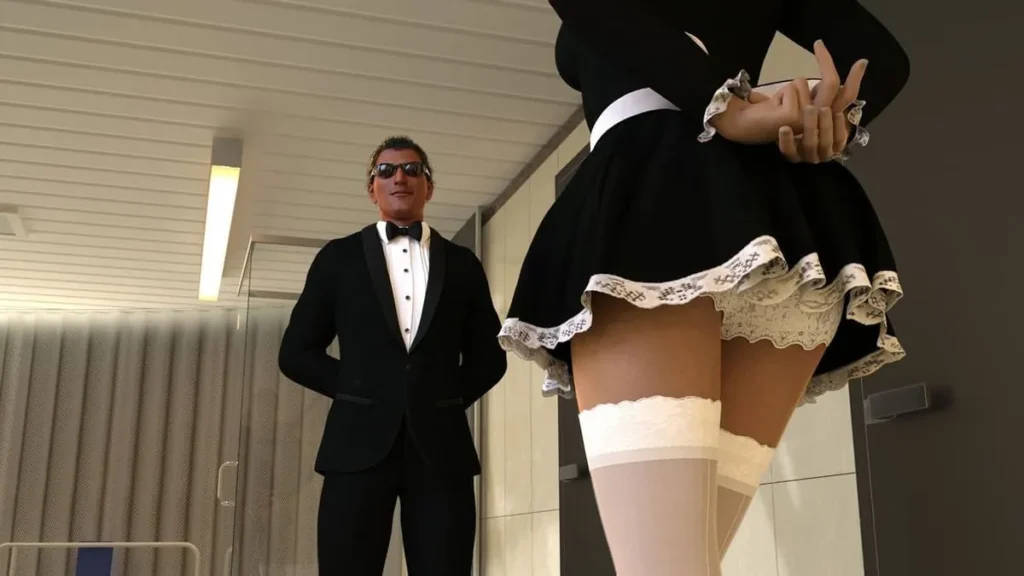
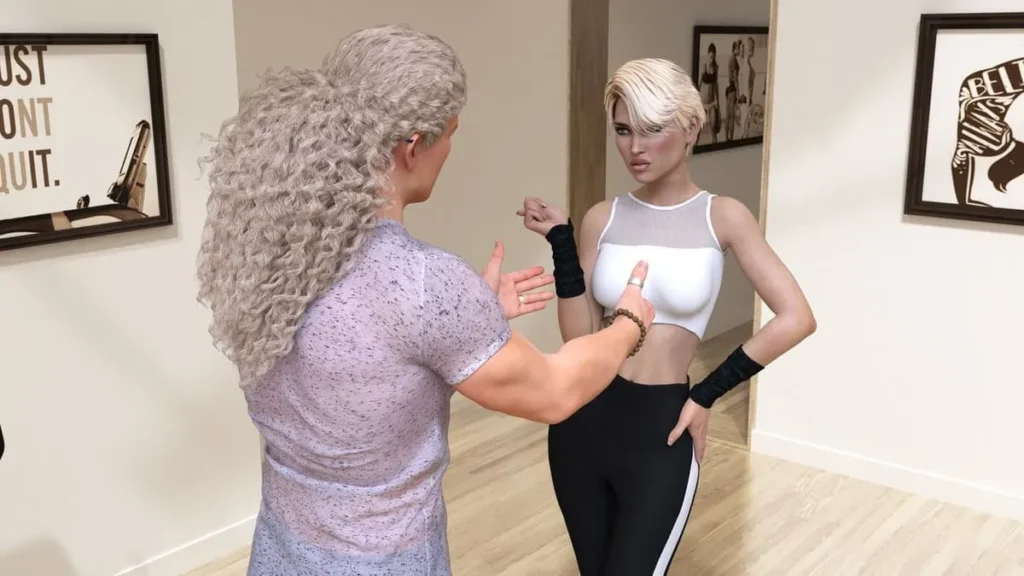
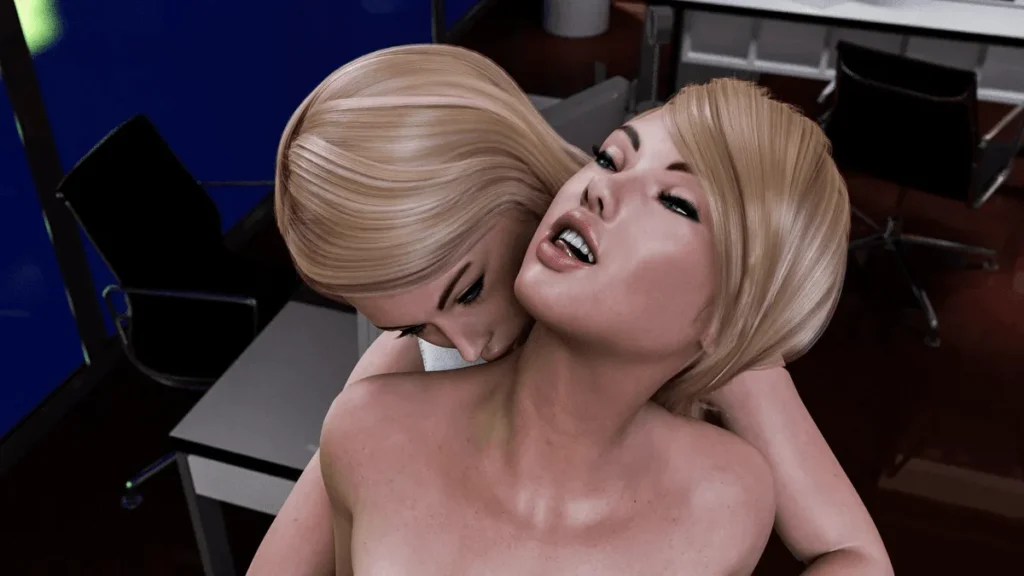
Fashion Business is an adult-oriented visual story that blends boutique management with branching narrative scenes centered on the character Monica and her boutique ambitions. In this article I walk you through the game’s core loop, notable scenes, decision points and practical tips based on hands-on play and community walkthroughs, so you can navigate story branches, unlock endings and get the most from the experience.
Gameplay and Core Mechanics of Fashion Business
When I first dove into Fashion Business gameplay, I felt that wonderful overwhelm of a game that’s much deeper than it appears. 🎮 On the surface, you’re running a boutique, but underneath, it’s a rich tapestry of story and strategy where every decision ripples through your world. This isn’t just a sim; it’s a personal journey as Monica, where managing a shop is intertwined with managing your life, relationships, and ambitions. Let’s peel back the layers of this unique experience together.
How the boutique management loop works
At its heart, Fashion Business is a boutique management game that thrives on a satisfying, daily loop. 💼 Each in-game day, you’re presented with core decisions that define your business’s trajectory. The loop starts with selecting dress models for your window display—this isn’t just decoration. Choosing a sleek, professional design might attract corporate clients looking for power suits, while a flashy, trendy piece could pull in socialites. I learned this the hard way when I stocked only high-end gowns early on; my boutique became a niche spot that struggled until I diversified.
Next come staffing decisions. You’ll hire assistants, assign tasks, and manage their morale. Do you push them for maximum efficiency, or foster a happy team? Then there’s funding: securing loans, investing profits, or perhaps taking monetary help from certain characters. 🏦 This loop is brilliantly cyclical—your daily sales affect your budget, which dictates your next model purchases and staff expansions. It’s a constant juggle that mirrors real entrepreneurship.
My biggest “aha!” moment came when I mixed classic and bold models. This balanced approach steadily built a reputation for versatility, which later unlocked a special client event. Remember, in this boutique management game, your shop’s style is a direct dialogue with the city. Neglecting it to chase quick cash can stall your progress. A pro tip? Reinvest your first major profits into a versatile model that appeals to multiple client types; it pays dividends in steady income, giving you freedom to explore the story.
Point-and-click tasks and daily routines
Beyond the boardroom-style decisions, Fashion Business immerses you in Monica’s world through point and click tasks. 🖱️✨ The boutique and other locations are filled with interactive elements. Need to check inventory? Click on the storage room. Want to adjust the lighting? The lamp on the wall is your friend. These aren’t just busywork; they’re how you gather resources, uncover clues, and trigger narrative beats.
Your daily routines are where the visual novel mechanics truly shine. Each morning, you might click on your wardrobe to choose an outfit—this isn’t vanity! Wearing a confident, chic ensemble can boost your persuasion stats during client meetings. Beauty treatments, like visiting the salon via a clickable map icon, can temporarily increase your charm, affecting dialogue options. Even commanding staff is done through point-and-click interactions; clicking on a stressed employee to give a pep talk might reveal a side story about their personal life.
I remember one playthrough where I was meticulous about these routines. By always taking time for a makeup session (a simple click on the vanity), I consistently had the charisma to smooth over a supplier dispute. Conversely, when I ignored these tasks to rush through days, I missed key gossip from staff that hinted at an upcoming economic downturn. These point and click tasks are the pulse of your progress. They seamlessly blend management with narrative, making you feel every high and low of Monica’s life. 🧵
Monica’s choices and branching consequences
This is where Fashion Business separates itself from typical management sims. Every decision, from the boutique floor to private conversations, feeds into a complex web of branching narrative choices. 🧩 The game quietly tracks your actions, aligning you with different characters and values. For example, choosing to motivate staff with encouragement versus intimidation isn’t just a morale boost—it steers Monica’s personality. Be too harsh, and you might lock yourself out of a loyal assistant’s supportive subplot.
The consequences are far-reaching. Early choices about who to seek funding from can lead you down entirely different paths. Accepting help from a charismatic investor might funnel you toward corporate success, while struggling independently could unveil grittier, street-smart narratives. This includes various story arcs that players aim to unlock endings Fashion Business offers, from high-society VIP conclusions to more dramatic, alternative paths. The game’s episodic nature means choices in Chapter 1 resonate in Chapter 3, so consistency matters.
Here’s my cautionary tale: In one playthrough, I was fixated on profit and repeatedly chose the most lucrative, cutthroat options. I intimidated a talented designer into working overtime, which gave me a stunning dress collection short-term. However, much later, she resigned unexpectedly, taking her designs with her. This not only crippled my boutique but closed off an entire storyline about mentoring new talent. I hadn’t saved in hours, so I was stuck. It was a brutal lesson in save management! Now, I always keep multiple save files before any major decision.
Actionable advice for new players:
* Early-game priorities: Focus on building a solid financial buffer and positive relationships with at least two staff members. This gives you narrative flexibility.
* Resource management: Money isn’t just for stock; save some for unexpected events, like sudden repairs or personal story events that require cash.
* Pacing story beats: Don’t grind management tasks endlessly. The story advances through key conversations, so balance your days between work and social clicks.
* Signs of content locking: When a choice is framed with unique music, a pause, or a particularly emphatic dialogue box, pay attention! These often point to branching narrative choices that can redirect your story. The game doesn’t always warn you explicitly, so when in doubt, save.
To help visualize the impact of your actions, here’s a handy guide. This table maps common player decisions to their immediate and downstream effects, perfect for planning your route to unlock endings Fashion Business.
| Action | Short-Term Reward | Long-Term Consequence |
|---|---|---|
| Selecting a conservative dress model for display | Attracts reliable, everyday customers for steady income | May slow reputation growth with elite clients, delaying VIP party invitations |
| Praising a staff member publicly after a success | Immediate team morale boost, increasing efficiency for 2-3 days | Builds deep loyalty; that staffer may provide crucial help or information in a future crisis |
| Taking a high-interest loan from a shady lender | Large cash injection to upgrade boutique or stock premium items | Creates recurring debt pressure; can trigger stressful narrative events and limit future funding options |
| Choosing an extravagant outfit for a casual day out | Gains momentary attention and compliments from NPCs | Could paint Monica as frivolous to serious business contacts, affecting negotiation dialogues later |
| Spending time on a beauty treatment instead of reviewing accounts | Raises charm attribute, unlocking sweet-talking options in next conversation | Potential minor financial oversight; might lead to a small budget leak event if repeated too often |
Mastering Fashion Business gameplay is about embracing this interconnectivity. The visual novel mechanics ensure no two playthroughs are identical, and the joy lies in seeing how your management style shapes Monica’s world. So, experiment, save often, and remember—every click tells your story.
Fashion Business combines boutique-management mechanics with a branching visual narrative anchored on Monica, and the experience hinges on choices that can permanently unlock or lock large scenes and endings. Use multiple manual saves, prioritize early-game boutique decisions that open funding and visibility, and consult episode notes before making irreversible choices. If you’re exploring the game for its narrative and animated scenes, plan saves around major decision points and lean on community walkthroughs when a path feels opaque. Try different role-play approaches to see how the story shifts, and share your findings in respectful community spaces.