DropOut Saga
Play DropOut Saga
DropOut Saga Screenshots









DropOut Saga review
Discover immersive storytelling and thrilling mechanics in this standout interactive adventure
Hey there, fellow gamers! Ever stumbled upon a title like DropOut Saga that hooks you from the first click? This interactive gem blends captivating narratives with choices that truly matter, pulling you into a world of intrigue and excitement. I remember my first playthrough—late nights making decisions that twisted the story in wild ways. If you’re curious about DropOut Saga gameplay, mechanics, or how to dive in, you’re in the right spot. Let’s unpack what makes this game a must-try for interactive storytelling fans, sharing tips from my own sessions to get you started right away.
What Makes DropOut Saga Stand Out?
It was one of those 2 AM scrolling sessions where you’ve run out of shows to watch and every other game feels like a chore. I was about to call it a night when a vibrant, slightly chaotic thumbnail caught my eye: DropOut Saga. 🎮 I figured, “Why not?” and tapped download. Five hours later, the sun was coming up, and I was utterly lost in a world where every word I chose felt like it echoed through the halls of the academy. I wasn’t just playing a game; I was living a double life as a student by day and an unraveler of cosmic mysteries by night. That’s the magic trick this title pulls off—it doesn’t just tell you a story; it makes you the author.
So, what is DropOut Saga? At its core, it’s a premium interactive narrative adventure that puts you in the worn-out sneakers of a new student at the mysterious Astral Peak Academy. But this is no ordinary school. Between dodging homework and navigating cliques, you’ll discover a hidden world of ancient powers, secret societies, and choices that genuinely reshape your destiny. It’s the seamless fusion of relatable life sim and thrilling supernatural saga that defines the unique DropOut Saga gameplay. You’re not watching a hero’s journey; you are building it, one decision at a time.
How Does DropOut Saga Blend Story and Choices?
The heart and soul of DropOut Saga isn’t in fancy graphics or complex combat (though the art is gorgeous). It’s in the profound connection between story and choice. This isn’t about picking “Good,” “Bad,” or “Sarcastic” responses that lead to the same endpoint. The game’s engine is built on truly branching narratives, where a seemingly minor chat in the library can lock you out of an entire faction storyline or open a door to a hidden romance you never saw coming. 🌳
Let me give you a simple, spoiler-light example from my first playthrough. Early on, you meet two fellow students: the diligent, rule-bound prefect and the rebellious, cryptic artist. During a chance encounter, you can choose to help the prefect report a strange occurrence or cover it up with the artist. This single DropOut Saga story choice doesn’t just change their opinion of you; it alters the fabric of your school life. Choosing the artist’s path led me into a series of covert, late-night meetings to investigate the academy’s occult history, completely missing a whole subplot about student government and institutional secrets. My friend made the other choice and had a totally different second act!
The beauty of DropOut Saga is that there are no “wrong” choices, only your choices. The game remembers everything, from the club you join to the petty rivalries you stoke, weaving them all into a personalized tapestry.
This is the essence of DropOut Saga immersive mechanics. Your relationships are tracked on a deep, fluid system—not just a simple “Like” meter. Characters remember your promises, your betrayals, and your style of solving problems. It makes every interaction feel weighty and real. You’re not just selecting dialogue; you’re defining a personality, and the world reacts accordingly. Want to be a sarcastic lone wolf who secretly has a heart of gold? The game will reflect that back at you through character reactions and unique story branches only available with that personality mix.
Key Features That Hook Players Instantly
Beyond the brilliant choice system, DropOut Saga is packed with specific DropOut Saga features that elevate it from “just another interactive story” to a genre standout. Here’s what grabbed me and refused to let go:
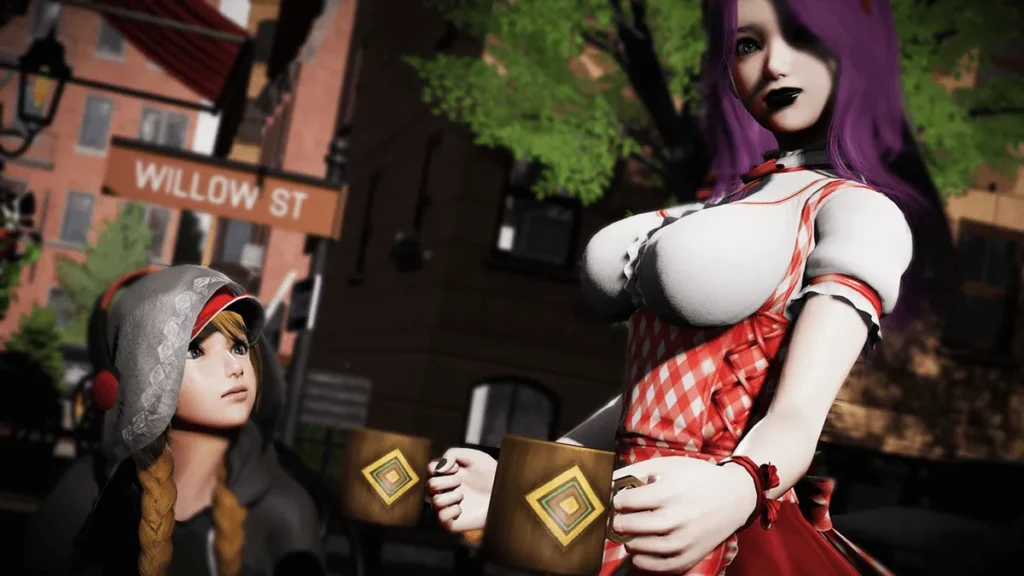
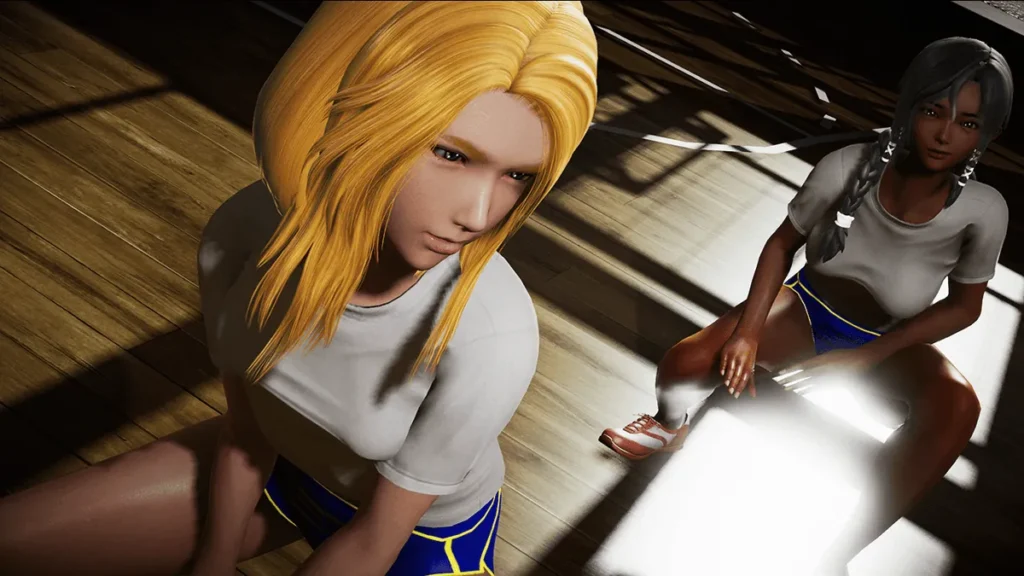
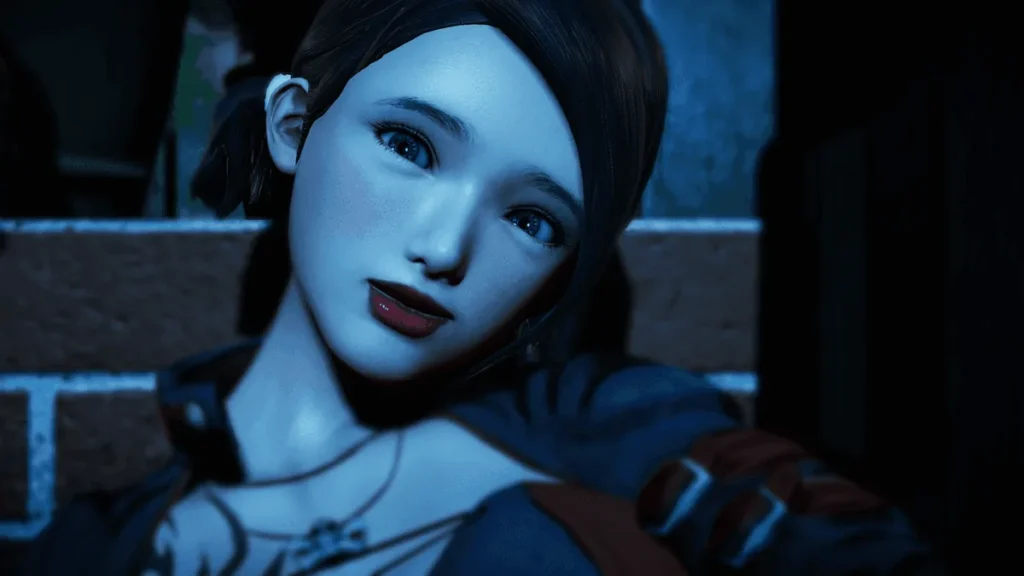
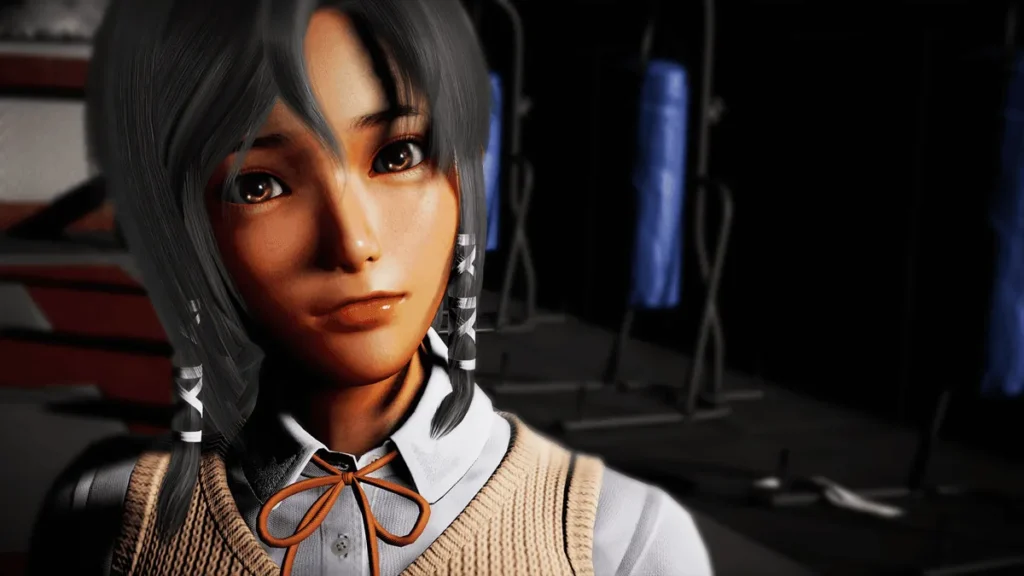
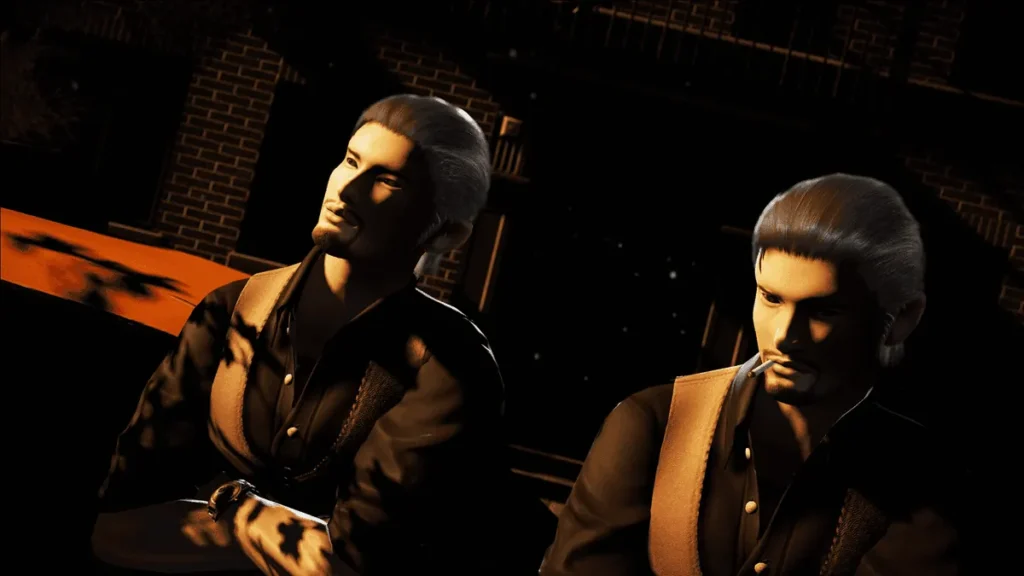
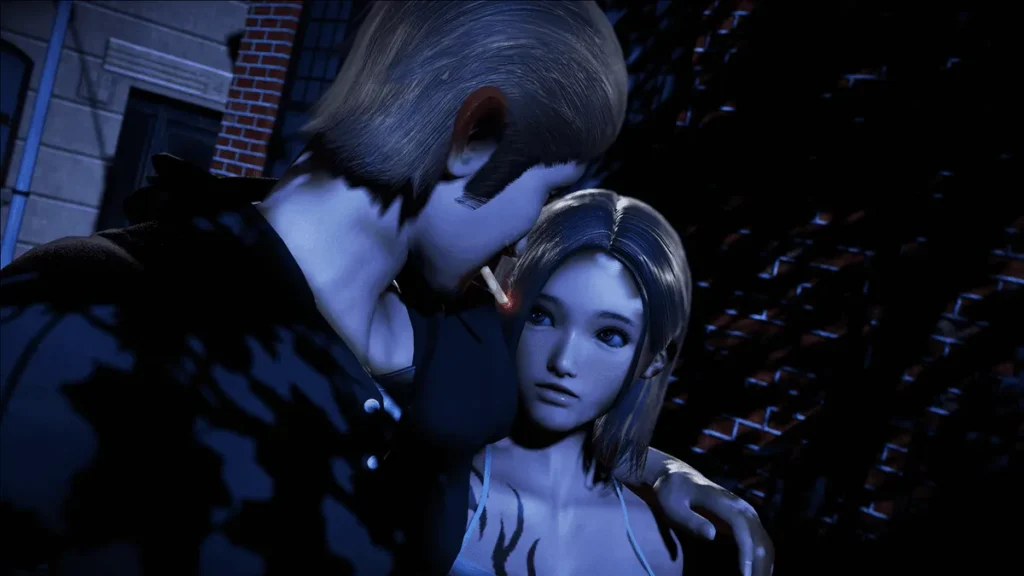
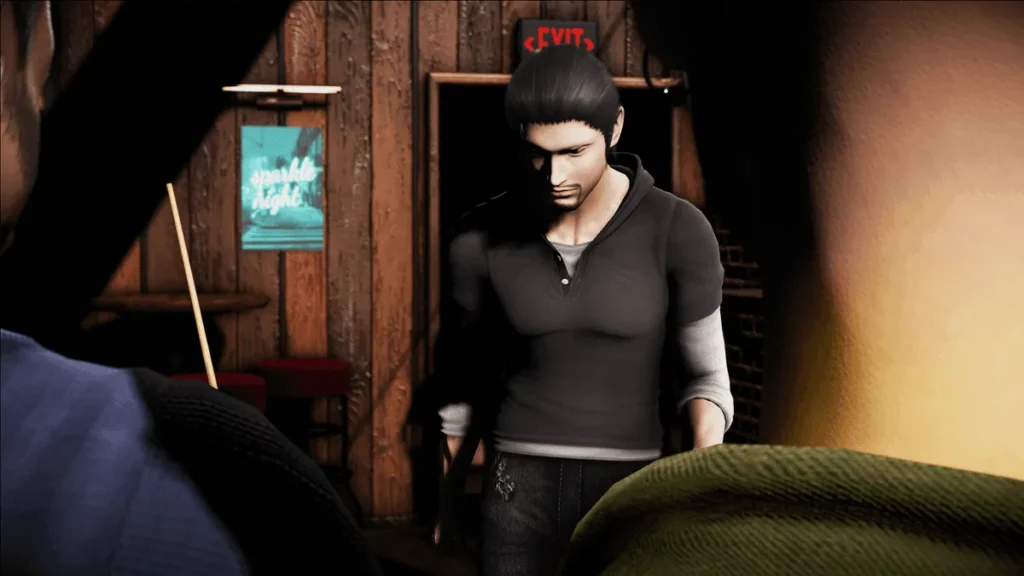
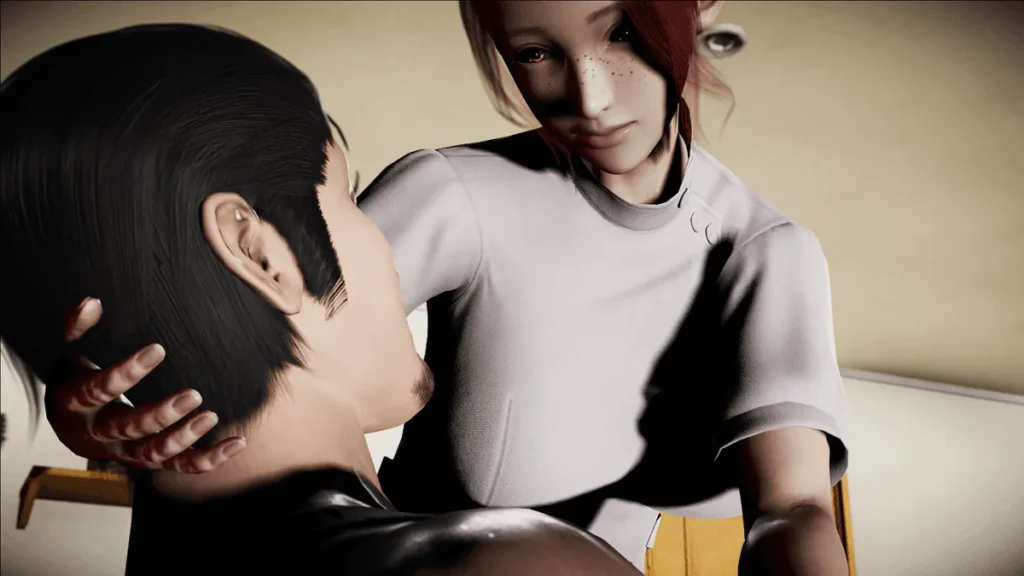
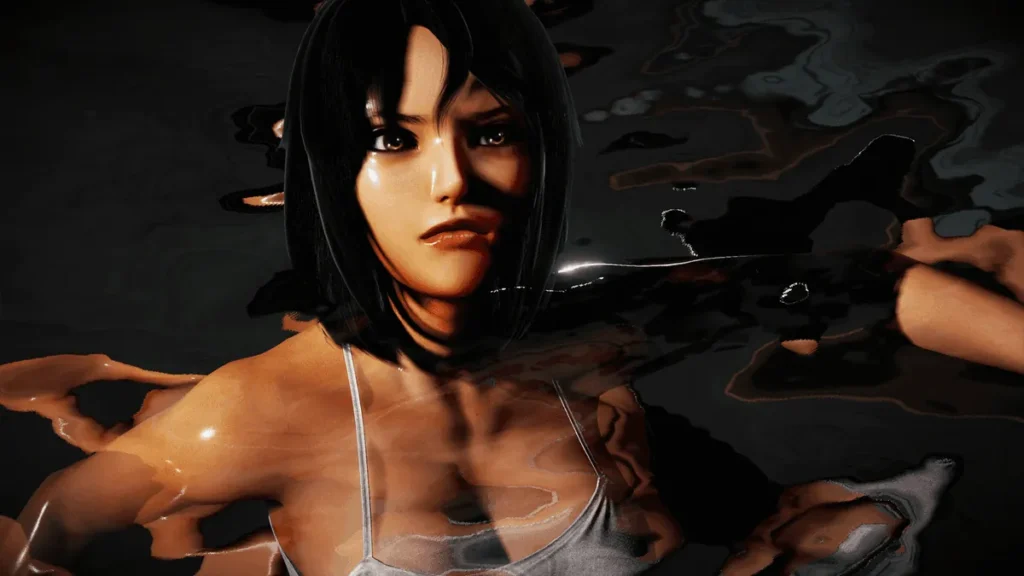
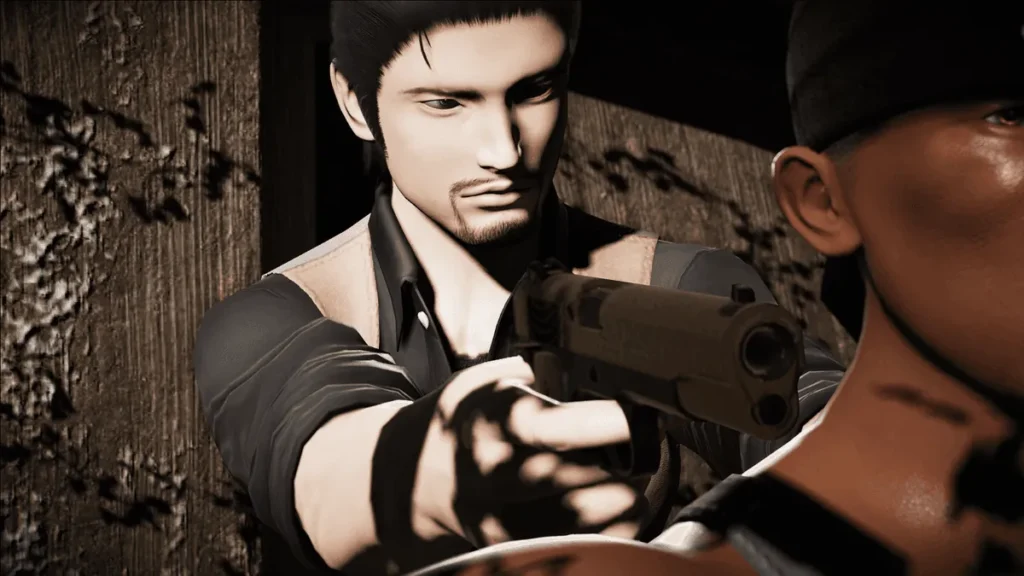
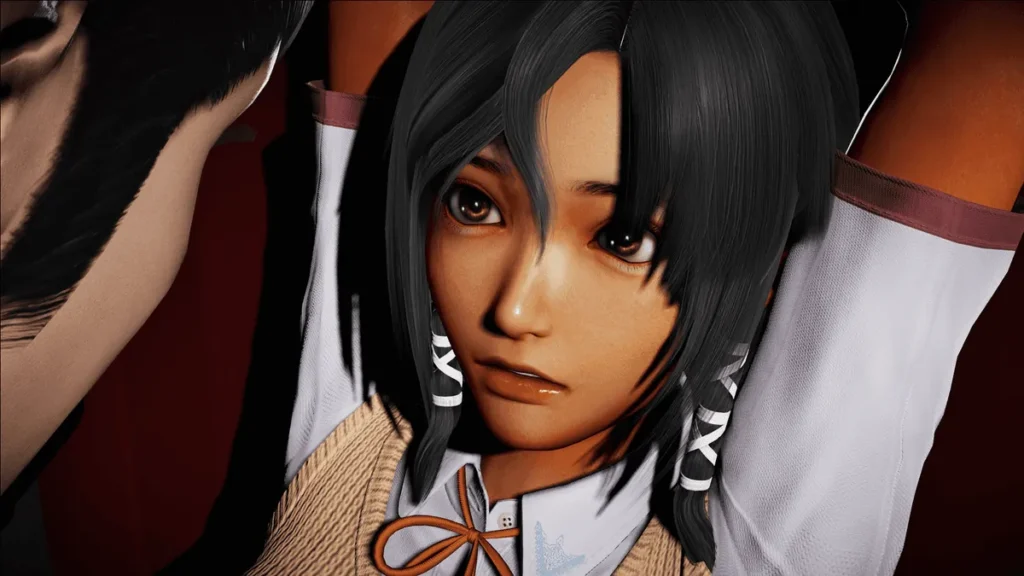
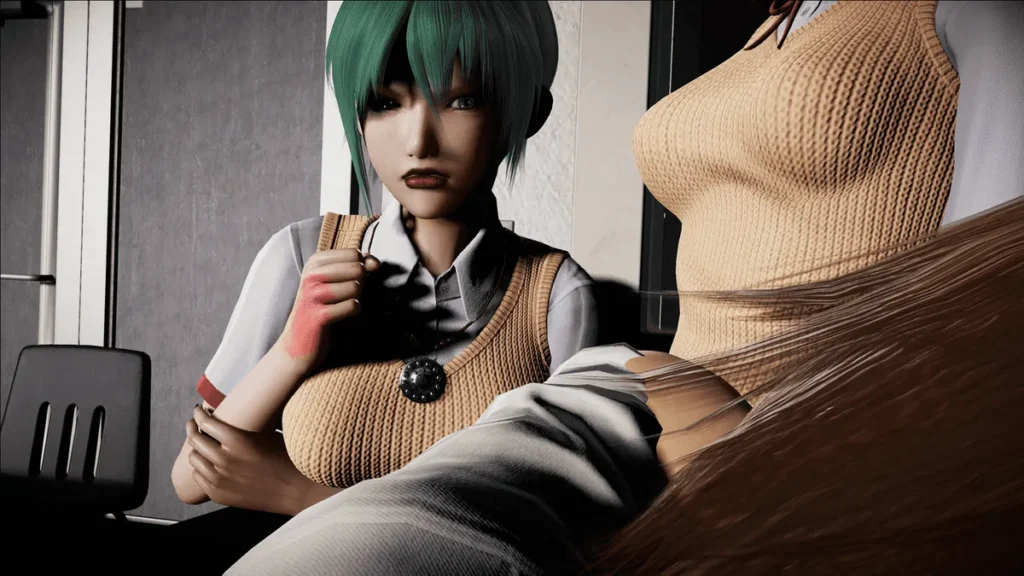
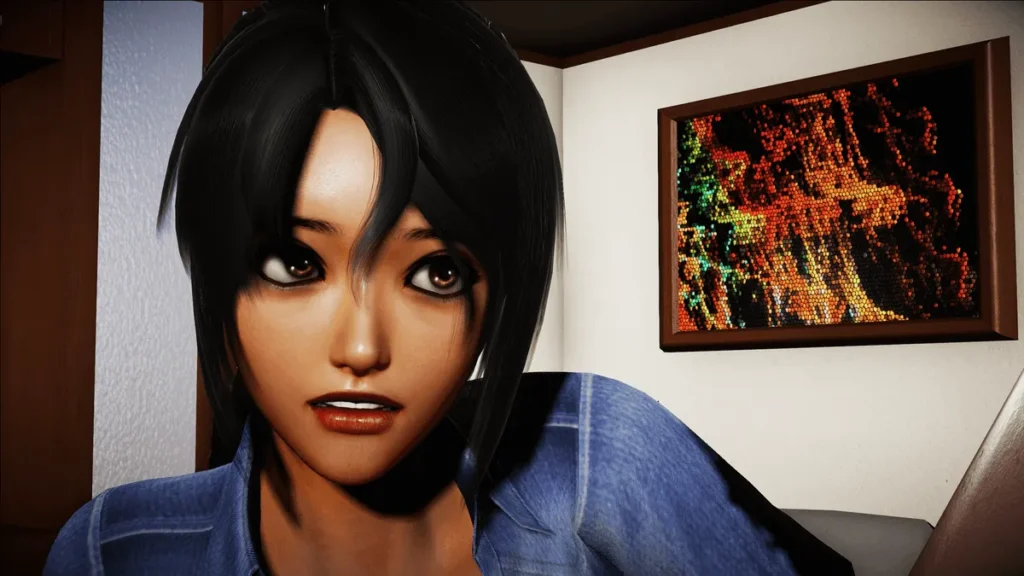
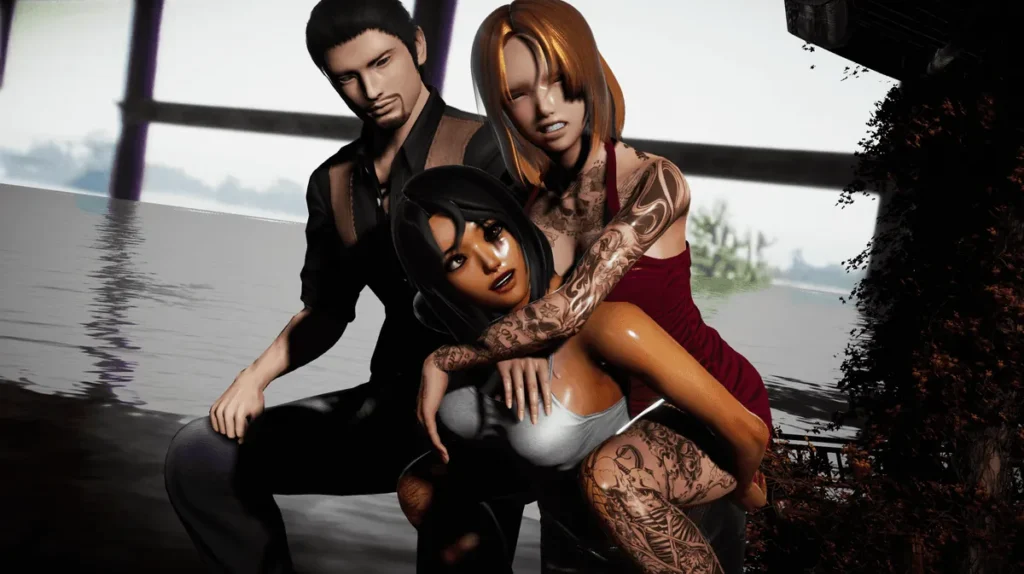
- Visual Novel, Reimagined: Forget static backgrounds and repetitive sprites. The game employs a dynamic, cinematic art style where scenes zoom, focus, and shift perspective. Character expressions are nuanced, and the use of light and color shifts to match the tone—from the warm glow of a café to the eerie neon of a hidden ritual space—is breathtaking. 🖼️
- The Decision Tree You Can Actually See: After key chapters, the game shows you a glimpse of your personal branching path, highlighting major forks you encountered and subtly hinting at the roads not taken. This doesn’t spoil the story but brilliantly fuels that “just one more playthrough” addiction.
- Off-Script Moments: Some of the best DropOut Saga gameplay happens outside of major decisions. Clicking on environmental details can trigger private thoughts, hidden lore, or even small character moments that aren’t part of the main script. It rewards curiosity and makes the world feel lived-in.
- A Soundtrack with a Personality: The music isn’t just background noise. It’s a character. Lively, quirky tunes score your school days, which seamlessly morph into haunting, atmospheric synth-wave when the moon rises and the mysteries come out to play. I often found myself just listening.
- Replayability That’s Actually Rewarding: Many games boast multiple endings. DropOut Saga delivers entirely different middles. With a combination of major plot forks, relationship-dependent subplots, and hidden secrets, your second or third run can feel like a completely new story, focusing on characters and factions you previously ignored.
Why do these features work so well? Because they’re all in service of the narrative. The stunning visuals deepen the immersion, the decision tree validates your agency, and the replayability ensures your investment pays off for dozens of hours. It respects your time and intelligence.
To see just how it stacks up, let’s look at how these core DropOut Saga features compare to a more standard interactive game.
| Feature | Standard Interactive Game | DropOut Saga |
|---|---|---|
| Choice Impact | Often superficial, changes immediate dialogue or a single ending scene. | Deep, systemic impact. Alters relationships, unlocks/locks story branches, and changes mid-game plot events. |
| Visual Presentation | Static character sprites against repeated backgrounds. | Dynamic, cinematic direction with shifting perspectives and nuanced environmental storytelling. |
| Character Relationships | Simple affinity meters (Friend/Romance). | Complex, multi-dimensional relationship tracking that influences dialogue, plot availability, and character behavior. |
| Replay Value | Encouraged to see 2-3 different ending slides. | Encouraged to experience completely different story paths, character arcs, and core mysteries. |
| World Building | Lore delivered mostly through info-dump dialogue or journals. | Lore woven into environmental details, optional conversations, and the consequences of your own actions. |
Why DropOut Saga Feels So Immersive
Immersion isn’t just about pretty graphics or a good plot; it’s about belief. For those hours you play, you are that student at Astral Peak. DropOut Saga achieves this through masterful depth in two areas: world-building and character.
The academy itself is a character. You learn its rhythms—the crowded hallways between classes, the quiet, sun-drenched spot in the courtyard, the off-limits west wing that hums with strange energy. The game builds its lore not through textbooks but through your exploration. You piece together the history from forbidden library books, cryptic graffiti in bathrooms, and off-hand remarks from teachers who know more than they let on. This environmental storytelling is a key part of the DropOut Saga immersive mechanics, making discovery a personal, rewarding act.
Then there are the people. I’ll share a case study from a fellow fan I met online. On her first run, she played a charismatic “fixer,” aligning with the popular crowd and solving problems with charm. She saw one version of her roommate, a shy bookworm, and helped her gain confidence. On her second run, she played a reclusive, truth-seeking character. This time, by choosing different after-school activities and conversations, she discovered that same bookworm was secretly part of a clandestine group documenting paranormal events on campus—a subplot entirely missed before! This depth means characters feel independent, with their own lives and secrets that only reveal themselves based on how you interact with the world.
So, how can you maximize this immersion? It’s about leaning into the role. Don’t try to “game” the system for a perfect outcome on your first try. Play as you genuinely feel. If you’re annoyed by a character, be short with them. If you’re curious, investigate relentlessly. The most satisfying DropOut Saga story choices are the ones that feel true to the person you’ve decided to be in that moment. The DropOut Saga branching narratives are designed to accommodate a huge spectrum of personalities, from the heroic to the dubious to the outright chaotic.
DropOut Saga stands out because it understands that the power of an interactive story lies in genuine consequence and deep, reactive world-building. Its DropOut Saga features, from the intricate DropOut Saga gameplay systems to the breathtaking art, all serve that central goal: to make you forget you’re tapping a screen and believe, just for a while, that you’re navigating the thrilling, dangerous halls of Astral Peak Academy yourself. It’s not just a game you play; it’s a story you live, rewrite, and fall in love with again and again.
5 Pro Tips for Maximizing Your DropOut Saga Immersion 🌟
* Embrace Your First Instinct: Your initial, gut-response to a choice often leads to the most coherent and engaging personal story. Save the “optimized” play for later runs.
* Tap Everything: Seriously. The environment is packed with flavorful text, hidden lore clues, and small character moments that make the world feel alive.
* Specialize Your Relationships: You can’t be best friends with everyone. Focus on deepening bonds with a few characters that interest you; it unlocks far more content than spreading your attention thinly.
* Let the Sound In: Play with headphones. The atmospheric soundtrack and nuanced sound design are half the immersion battle.
* Don’t Fear the “Bad” Choice: The most interesting narrative twists often come from failures, arguments, or morally grey decisions. They create the best drama and the most unique story branches.
There you have it—DropOut Saga is more than just a game; it’s an interactive journey packed with stories that evolve with your choices. From my own dives into its worlds, I’ve seen how replaying unlocks endless surprises and deeper connections. Whether you’re chasing the perfect ending or exploring hidden paths, this title delivers thrills every time. Ready to jump in? Grab it now, make those bold decisions, and share your wildest outcomes in the comments—I’d love to hear your tales!