Bound by Lust
Play Bound by Lust
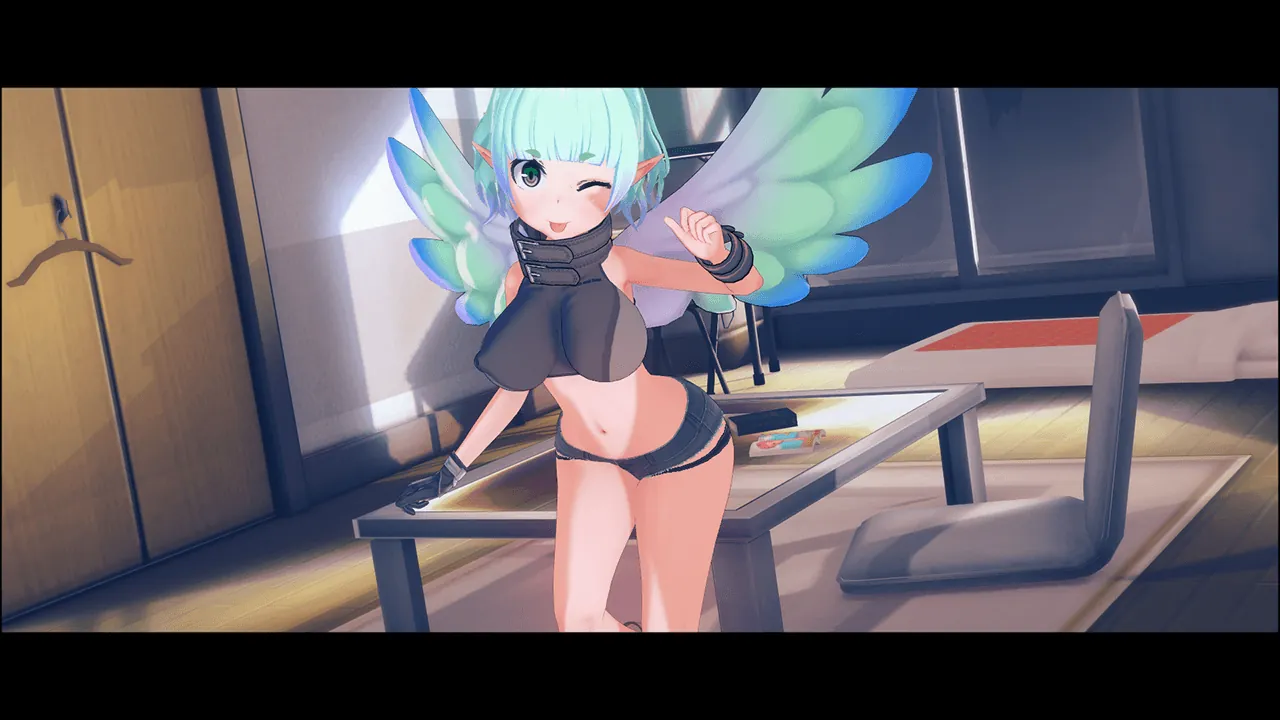
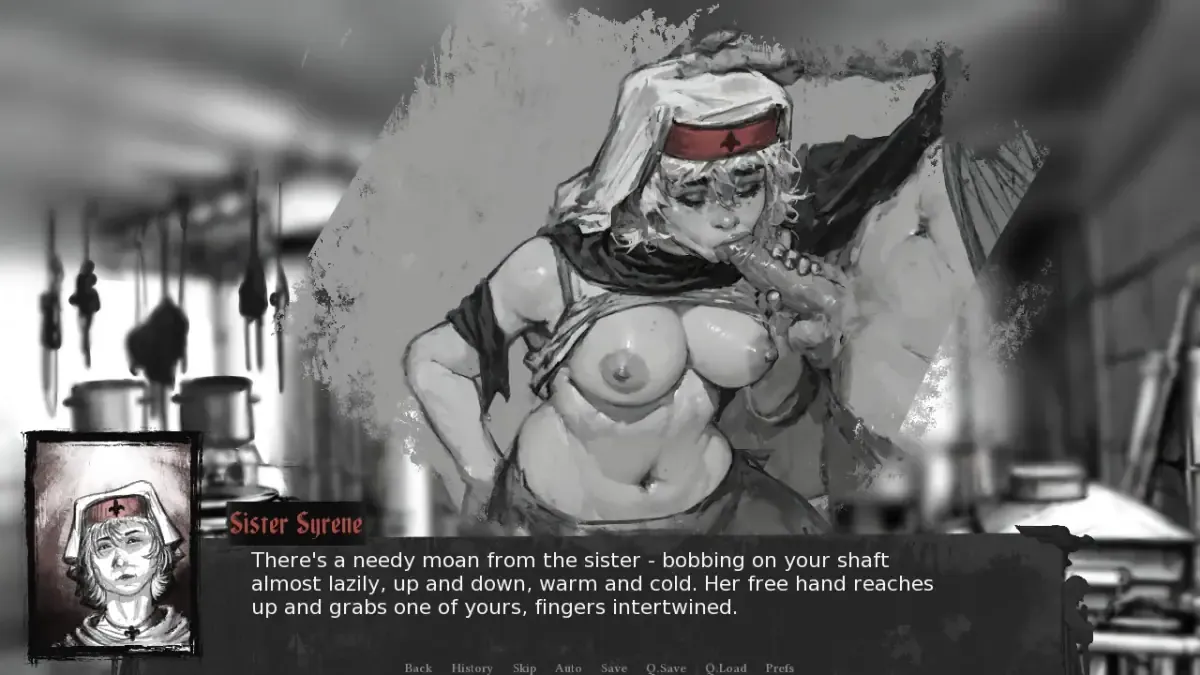
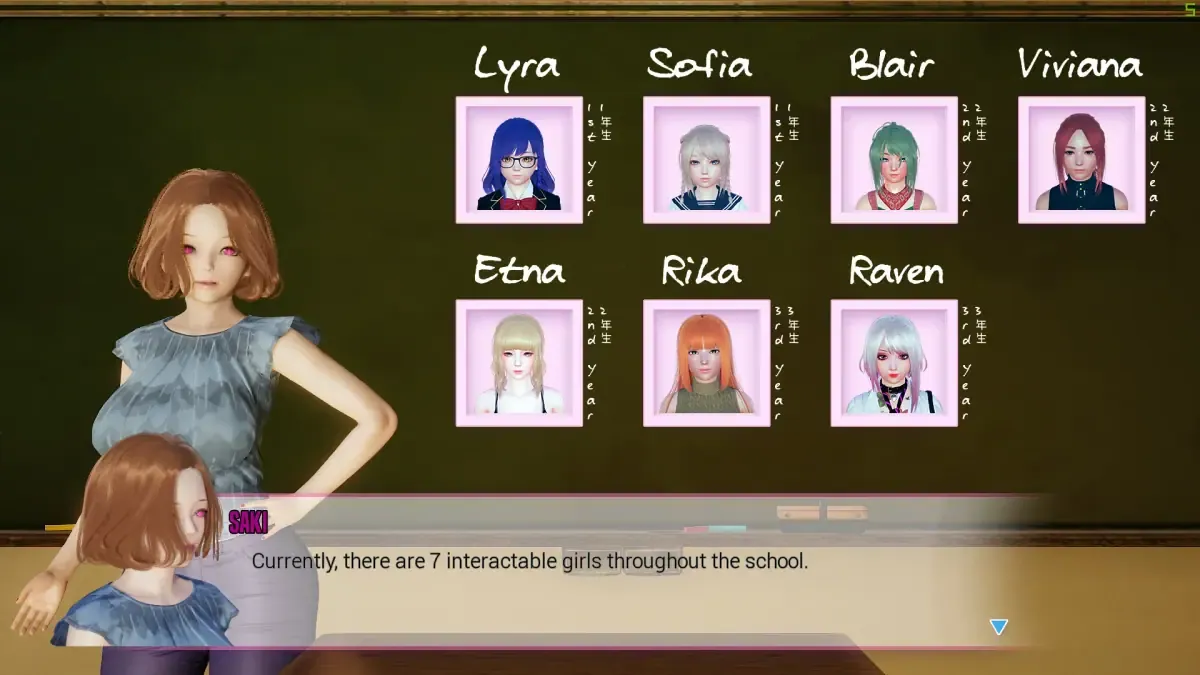
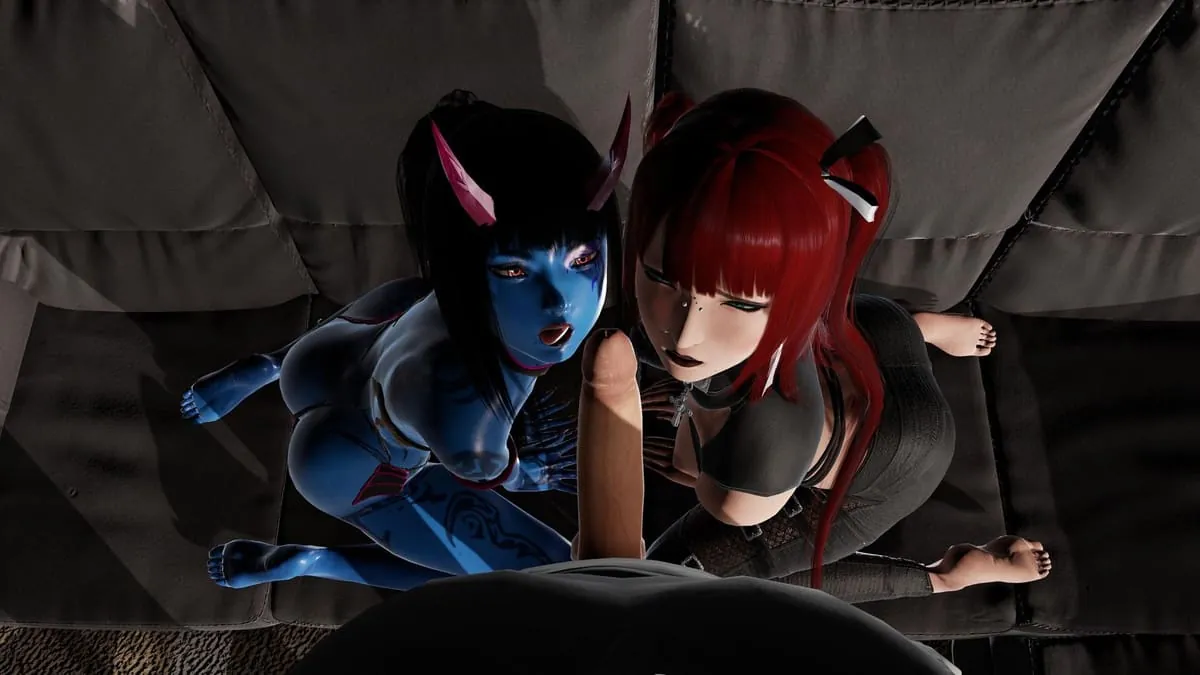
Bound by Lust Screenshots




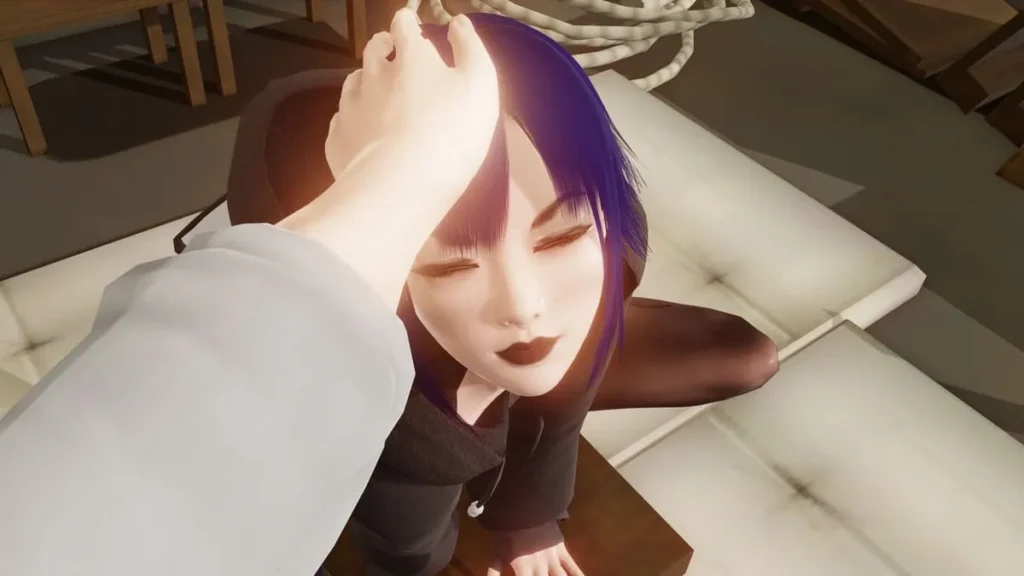








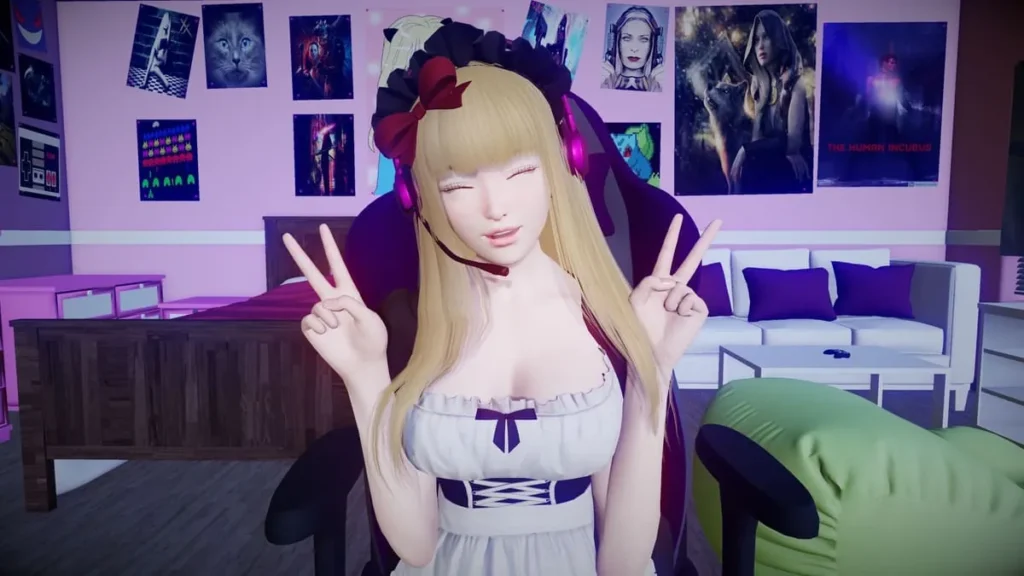
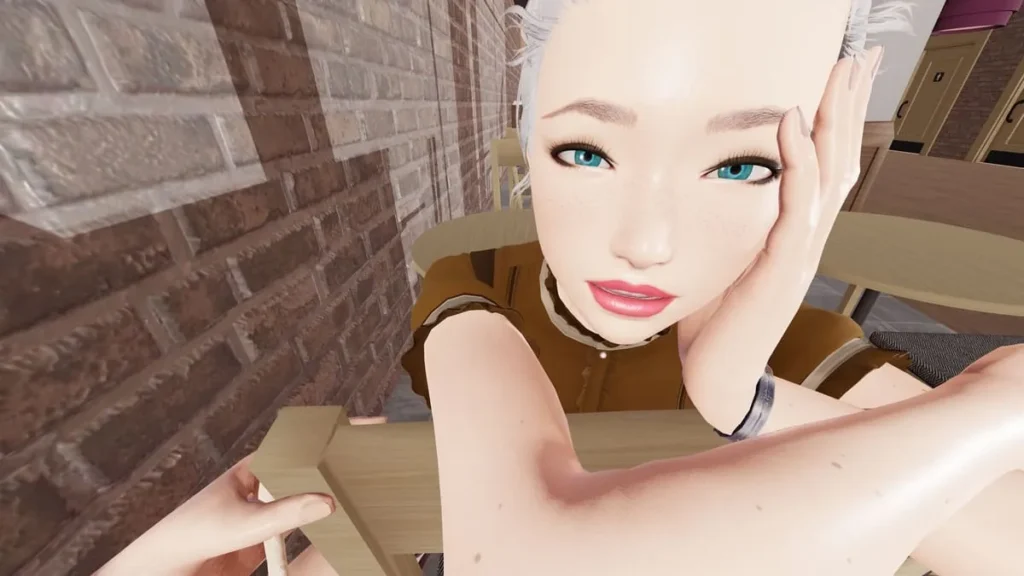


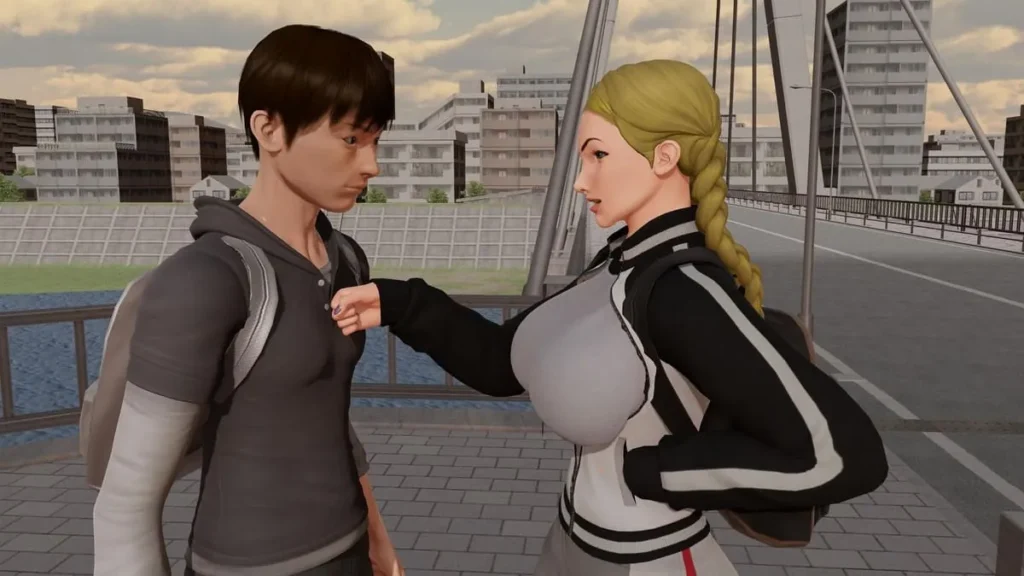

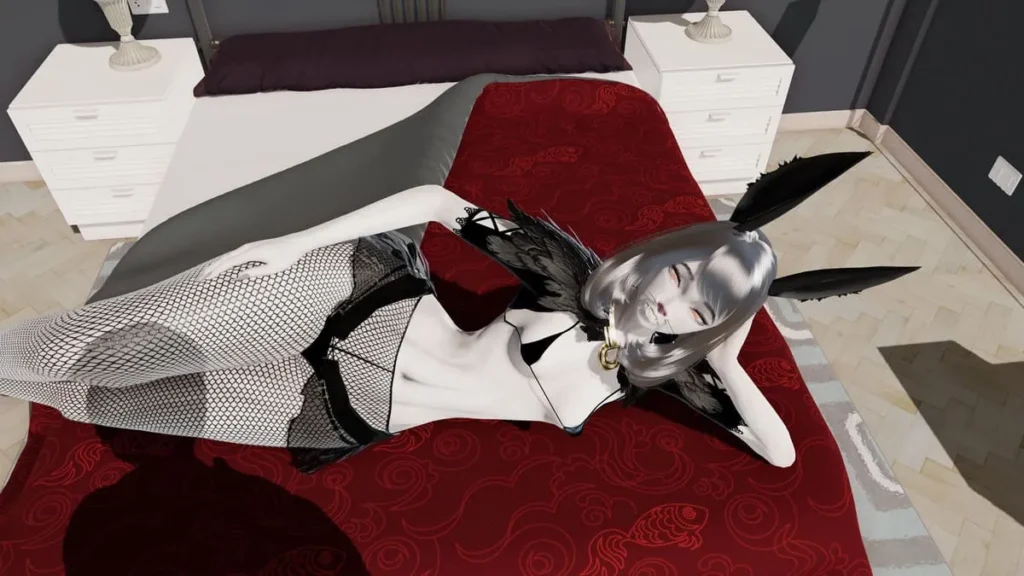
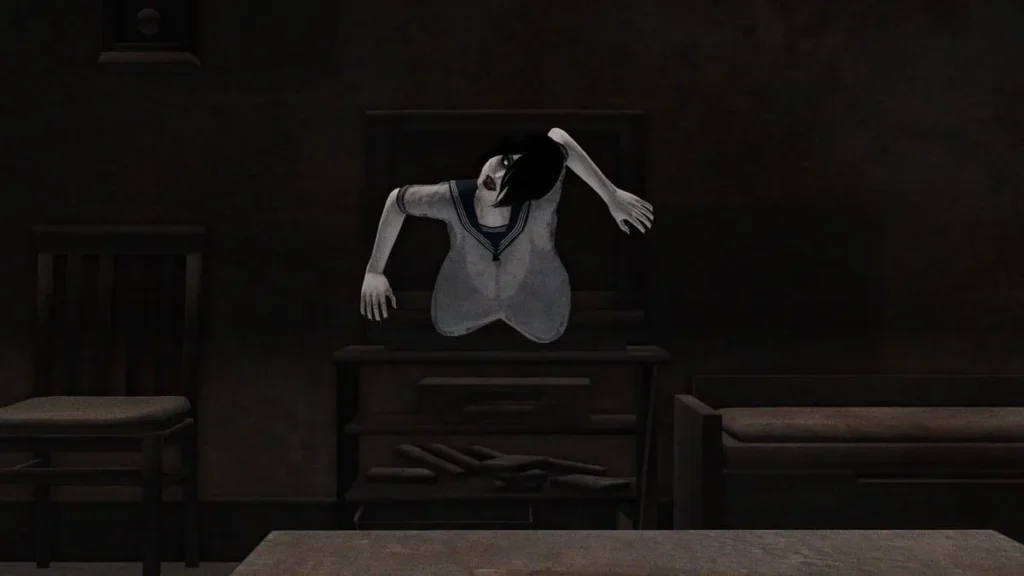





Bound by Lust review
Explore the interactive narrative experience and gameplay mechanics
Bound by Lust stands out as a captivating interactive game that combines richly detailed narrative storytelling with engaging gameplay mechanics. This title draws players into an immersive experience where choices matter and the story unfolds based on player decisions. Whether you’re interested in narrative-driven games, interactive fiction, or unique gaming experiences, understanding what Bound by Lust offers can help you determine if it aligns with your gaming preferences. This guide explores the core elements that make this game distinctive.
Understanding Bound by Lust: Core Gameplay & Narrative Design
Ever found yourself playing a game where the story feels like a movie you just watch, and your only job is to occasionally press ‘X’ to not die? 😴 I certainly have. It’s a beautiful experience, but sometimes you crave something more—a story that bends and twists because you decided to speak to that mysterious stranger in the corner, or to keep a secret instead of revealing it. That longing for true agency is what led me to dive headfirst into the world of interactive narrative games, and it’s precisely why Bound by Lust left such a lasting impression on me.
This isn’t just another visual novel or a passive experience. Bound by Lust represents a fascinating evolution in narrative-based game design, one where every dialogue option, every glance, and every moment of trust or betrayal is a thread you pull in a vast, intricate tapestry. The Bound by Lust gameplay loop is deceptively simple: you read, you choose, you feel the consequences. But beneath that surface lies a complex system of narrative cause and effect that had me replaying chapters for hours, desperate to see where a different path might lead. If you’ve ever wondered what it’s like to truly steer a compelling, emotional story from the inside, then buckle up. We’re about to explore what makes this interactive fiction game a standout story-driven gaming experience.
### What Makes the Bound by Lust Gameplay Experience Unique?
At its core, the Bound by Lust gameplay experience rejects the idea of a universal “win state.” You don’t “beat” this game by defeating a final boss or collecting all the gems. 🏆 Victory here is subjective, deeply personal, and tied entirely to the story you choose to tell and the relationships you choose to forge (or break). This is a game that measures success in heartbeats, whispered confessions, and the weight of a decision that can’t be taken back.
So, what are the mechanics that power this unique feel? Let’s break down the key Bound by Lust features that transform it from a simple story into a personal journey.
- The Dialogue Web: Forget binary “Good vs. Evil” choices. Conversations are intricate webs. A choice to be reassuring in one moment might open a path of vulnerability later, while a defensive remark could permanently lock away a character’s backstory. It’s less about picking the “right” answer and more about expressing who you are in that moment.
- The Relationship Matrix: This is the hidden engine of the game. Every major character has a dynamic, numerical rating with the protagonist that shifts not with grand gestures, but with subtle interactions. A supportive comment during a crisis might +3 Trust, while a flippant joke at the wrong time could -5 Affinity. These numbers invisibly gate entire story branches and dialogue options.
- The Memory & Introspection System: Periodically, the game pauses for you to reflect. You’ll see key moments you’ve experienced and must choose which one weighs on your mind the most. This isn’t just flavor—it actively shapes the protagonist’s internal monologue and can influence their automatic reactions in future tense scenes.
- Timed Emotional Responses: Some choices aren’t patient. In moments of high drama or passion, you may have only a few seconds to respond. These choices often feel the most authentic, capturing the raw, unfiltered reaction you’d have in real life, leading to some of the most surprising and impactful moments.
From my own playthrough, I remember a scene where a character confessed a deep fear. I had three options: a logical solution, a humorous deflection, or a silent, comforting embrace. I went with logic, thinking I was being helpful. The relationship meter ticked down slightly. On a replay, I chose the silent embrace. The character didn’t just thank me; they later referenced that moment of quiet understanding as a turning point in our entire dynamic, unlocking a deeply tender subplot I never knew existed. That’s the magic. The player choice mechanics aren’t about progression; they’re about connection.
To visualize how these systems intertwine, here’s a look at the core interactive pillars:
| Gameplay Pillar | How It Works | Impact on Your Story |
|---|---|---|
| Dialogue & Choice | Multi-faceted conversation options focusing on tone, intent, and vulnerability rather than simple plot advancement. | Directly alters character relationships, unlocks or seals story paths, and defines the protagonist’s personality. |
| Relationship States | A hidden, dynamic value system for each key character, tracking trust, affinity, passion, or rivalry. | Gates entire scenes, character resolutions, and determines the final narrative outcomes for each storyline. |
| Narrative Pacing Control | Players can sometimes choose which story thread to pursue next or decide to linger in a moment of reflection. | Creates a personalized rhythm for the story, allowing for deeper immersion in themes that resonate with you. |
| Momentum-Based Decisions | Timed choices and cumulative decision patterns that build “narrative momentum” toward certain endings. | Ensures endings feel earned and consistent with your overall behavior, not just one final choice. |
This framework creates a story-driven gaming experience that is incredibly responsive. The game is always listening, always adjusting. It remembers the small kindness you offered in Chapter 1 and will often circle back to it in Chapter 5, making the world feel coherent and your presence within it truly meaningful.
### How Does the Narrative Structure Engage Players?
The genius of Bound by Lust as an interactive narrative game lies in its structure. It masterfully avoids the pitfall of being a “choose-your-own-adventure” book where you flip to page 73 for a different outcome. Instead, it employs what I like to call Braided Narrative Design. 🧵
Imagine several strong, compelling story threads: the main central mystery, a deep romantic subplot, a personal journey of growth, and a looming external conflict. These aren’t separate side-quests. They are braided together. Your choices in the romantic plot will pull on the thread of the central mystery, tightening or loosening it. Your approach to the personal journey will color how you handle the external conflict. Nothing exists in a vacuum.
This is where the narrative-based game design shines. The story isn’t a straight line you occasionally nudge left or right. It’s a living ecosystem. Early on, I made a choice to protect a character’s secret out of a sense of loyalty. This felt like a small, personal decision. Three chapters later, that same secret became the linchpin in a political negotiation I was involved in. My earlier, emotionally-driven choice had massive plot ramifications I never foresaw. The game had seamlessly braided my personal loyalty with the grander political thread.
The pacing is deliberate, built on a rhythm of tension and release that matches its themes. It knows when to bombard you with rapid-fire, tense decisions and when to slow down, offering moments of quiet reflection or tender character building. This ebb and flow is crucial. It prevents “choice fatigue” and makes each decision feel significant because you have the mental space to consider it.
My #1 Tip for New Players: Don’t save-scum! I know the temptation to reload after a “bad” choice is huge. But some of the most powerful and memorable moments in my story-driven gaming experience with Bound by Lust came from sitting with the discomfort of a consequence I didn’t expect or want. It makes the story yours—flaws, regrets, and all.
Naturally, with such a deep system, players have questions about how it all comes together.
Q: Do my choices really matter, or is there just one “real” ending?
A: They matter profoundly. While there may be a handful of major ending clusters, the path to get there and the specific fates of each character are wildly variable. Your version of the protagonist and their relationships will be unique. There’s no singular “canon” story.
Q: Can I “fail” or get a game over?
A: You can’t “die” in a traditional sense, but you can absolutely reach narrative conclusions that may feel like failures—broken relationships, tragic outcomes, or unresolved mysteries. These are not failures of the player, but valid, often heartbreaking, conclusions to the story you crafted.
Q: How does the game track all my small decisions?
A> Through the sophisticated Relationship Matrix and a flag system. Even minor dialogue choices can set a narrative “flag” that the game checks later. It’s less about one big choice and more about the consistent pattern of behavior you exhibit.
Q: Is there a “right” way to play to see the most content?
A> The most rewarding way to play is to be authentic and commit to your choices. To see the vast breadth of content, you’ll need multiple playthroughs making deliberately different choices, which the game’s chapter-select feature encourages.
This structural approach ensures relentless engagement. You’re not just waiting for the next cutscene; you’re actively, nervously, excitedly building it with every interaction, constantly wondering how the braid you’re weaving will finally look when it’s complete.
### Interactive Elements and Player Agency
This is where the rubber meets the road in Bound by Lust gameplay. Agency isn’t just about big, branch-in-the-road decisions. True player choice mechanics are baked into the very fabric of interaction, often in subtle ways that you feel more than you see.
Let’s talk about environmental interaction. In many narrative games, the environment is just a pretty backdrop. In Bound by Lust, it’s an extension of the character’s psyche and a tool for expression. 🔍 Examining a bookshelf might reveal a character’s favorite genre, giving you a topic to bond over later. Choosing to sit on a worn couch instead of a formal chair might signal comfort and ease to a love interest. One time, I spent a long moment looking at a portrait of a character’s ancestor. In the next conversation, I had a unique option to reference that portrait, which led to them sharing a vulnerable family history they’d otherwise have kept hidden. The game rewarded my curiosity and attention to detail with deeper intimacy.
Then there’s the non-verbal communication. Sometimes, the most powerful choice is silence. Or a glance. Or a touch. The game presents these as active choices with just as much narrative weight as a line of dialogue. Choosing to reach out and hold a character’s hand during an argument can completely derail a conflict and steer it toward reconciliation, bypassing pages of potential dramatic dialogue. This emphasis on physical and emotional cues over words alone is a cornerstone of its interactive narrative game design, making relationships feel visceral and real.
The balance between linear storytelling and player agency is perhaps the game’s greatest triumph. The overall plot has key beats it must hit—a mystery must be solved, a climax must occur. This provides a satisfying narrative backbone. Your agency determines the how, the why, and the emotional context of every single one of those beats. Think of it like a train journey with a fixed destination (the linear story), but you have complete control over who is in your carriage, what you talk about, what conflicts arise between passengers, and what personal revelations you have along the way (your agency).
The narrative themes explored—desire, obligation, trust, identity, and the conflict between personal want and duty—are not just topics the story discusses. They are the very substances of your choices. You don’t watch a character struggle with duty; you embody that struggle through your decisions. Do you follow your heart’s desire and risk chaos, or uphold a solemn vow and crush your own spirit? The game doesn’t preach an answer. It provides a space for you to explore the question yourself, and to live with the beautifully painful, joyous, or bittersweet results.
In the end, Bound by Lust is more than the sum of its Bound by Lust features. It’s an invitation to co-author a compelling, emotional story. It proves that in a story-driven gaming experience, the most powerful mechanic is not a gun or a jump button, but the human heart and the impossible choices it forces us to make. Your journey through its world will be yours alone—a testament to the raw, untapped potential of interactive fiction game design when it places authentic human connection and consequence above all else. Now, if you’ll excuse me, I have a save file to reload. Someone’s heart needs mending, and this time, I’m choosing the silence. 🤐❤️🩹
Bound by Lust delivers a compelling interactive gaming experience that prioritizes narrative depth and player engagement. The game’s strength lies in its ability to weave together detailed storytelling with meaningful gameplay mechanics, creating an immersive world where player choices genuinely influence the narrative outcome. Whether you’re drawn to story-rich games, interactive fiction, or experiences that emphasize character development and narrative branching, Bound by Lust offers a distinctive approach to gaming that rewards exploration and engagement. For players seeking a game that values narrative complexity and interactive choice systems, this title represents a worthwhile addition to your gaming library.