
Between Humanity
Play Between Humanity
Between Humanity Screenshots

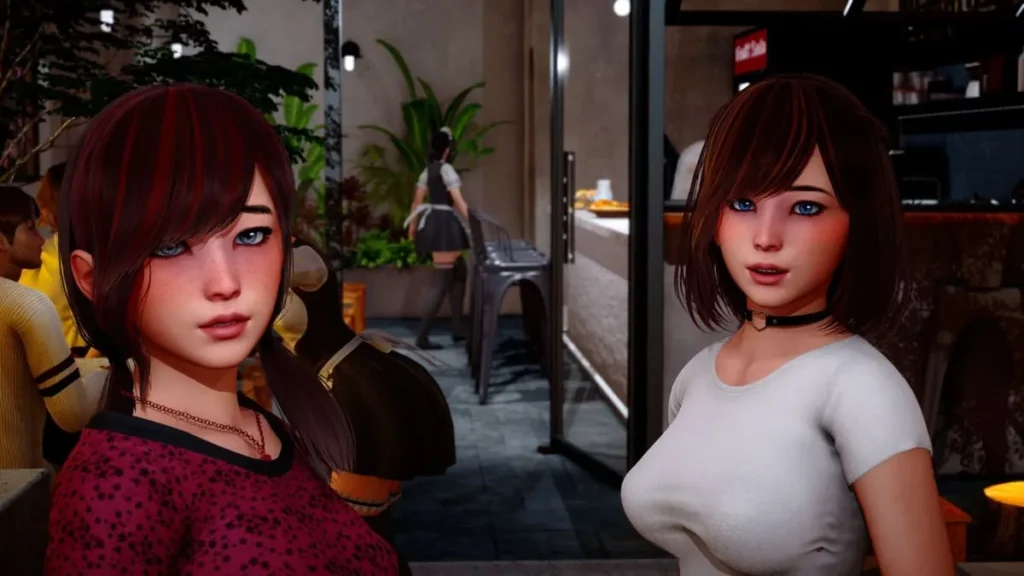

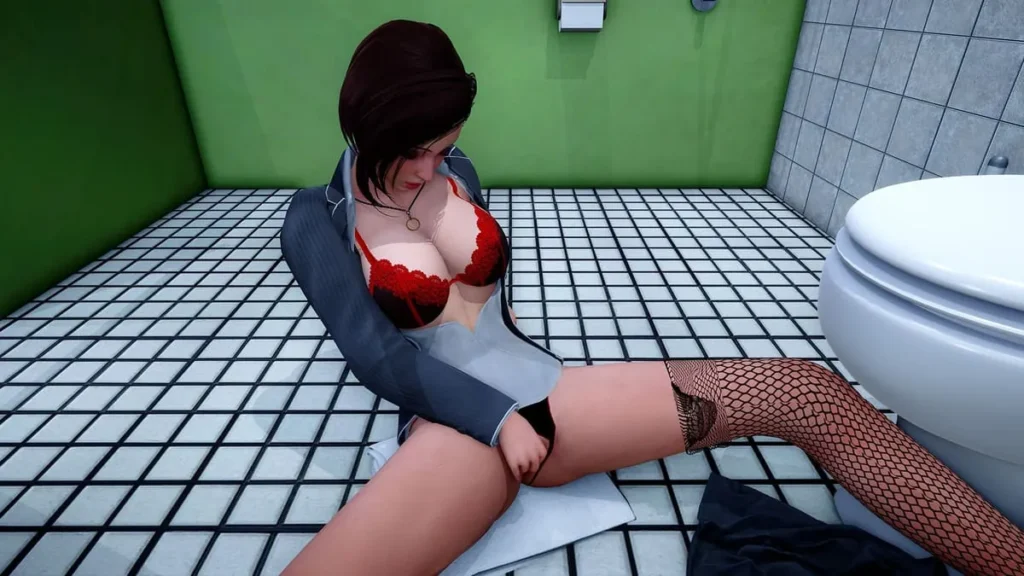


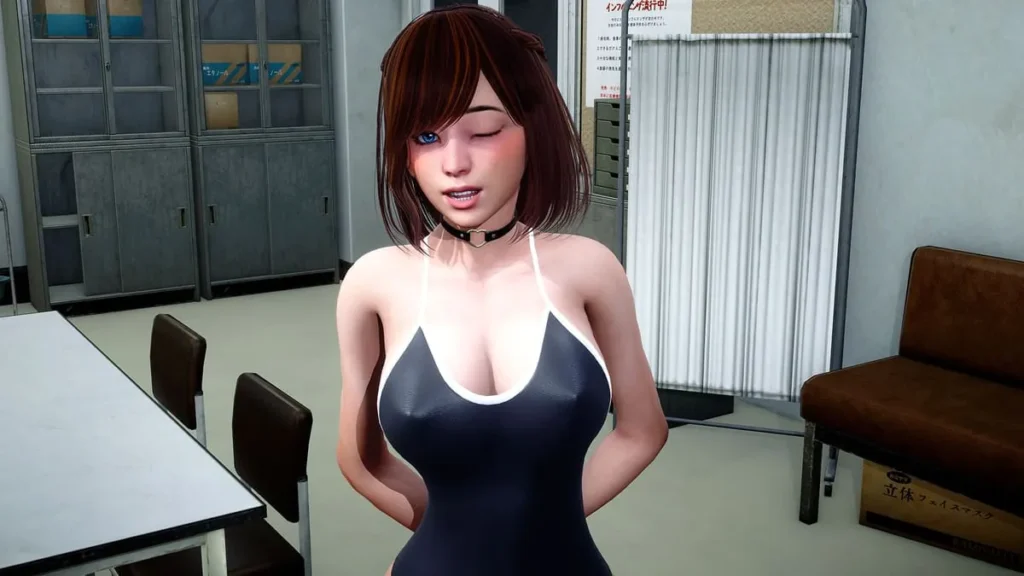
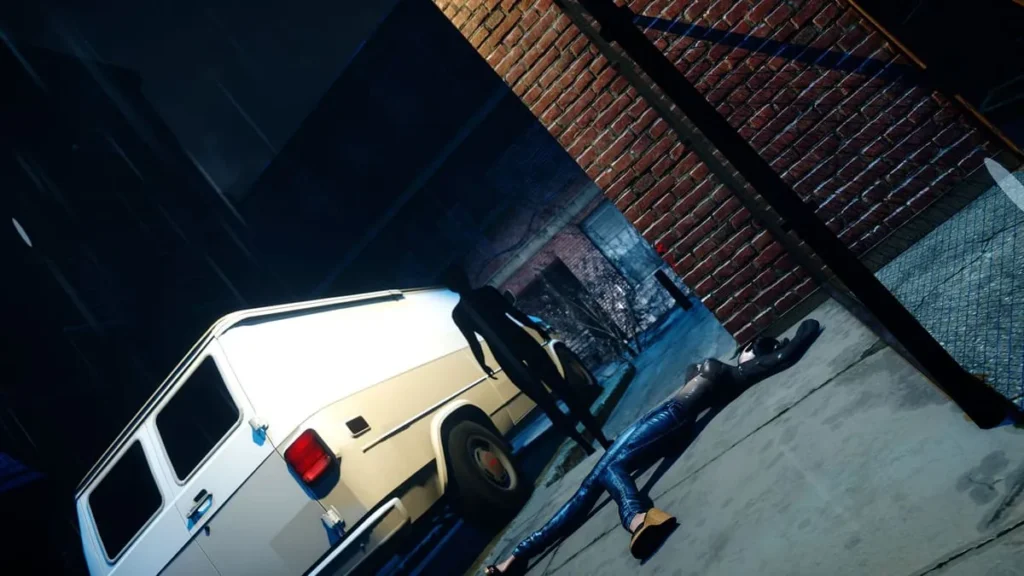

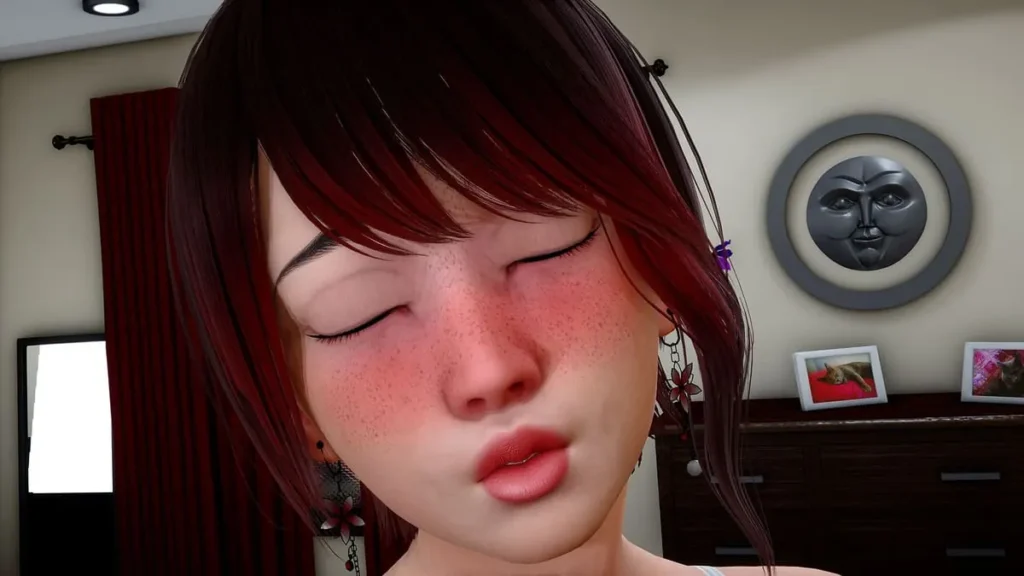
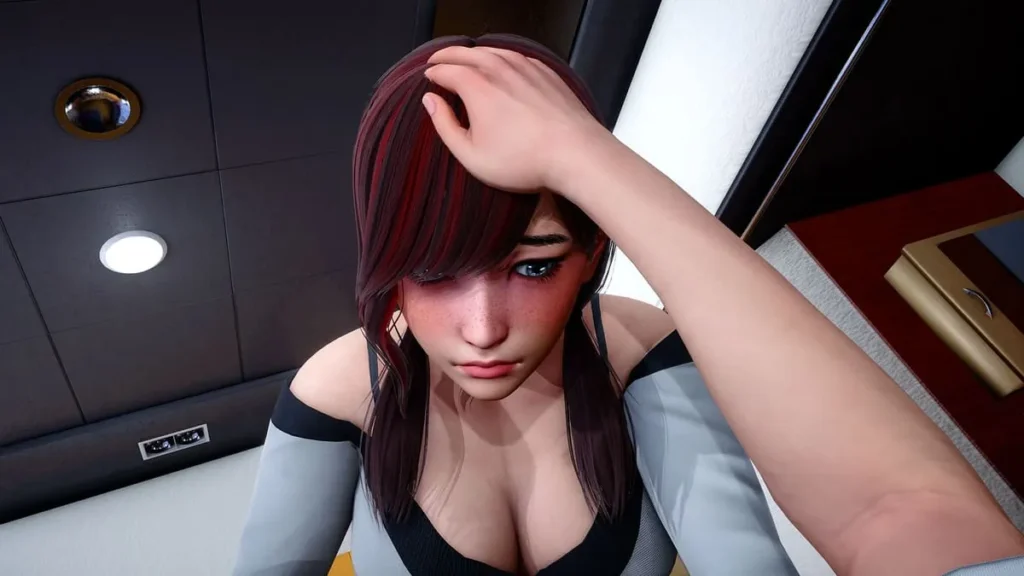
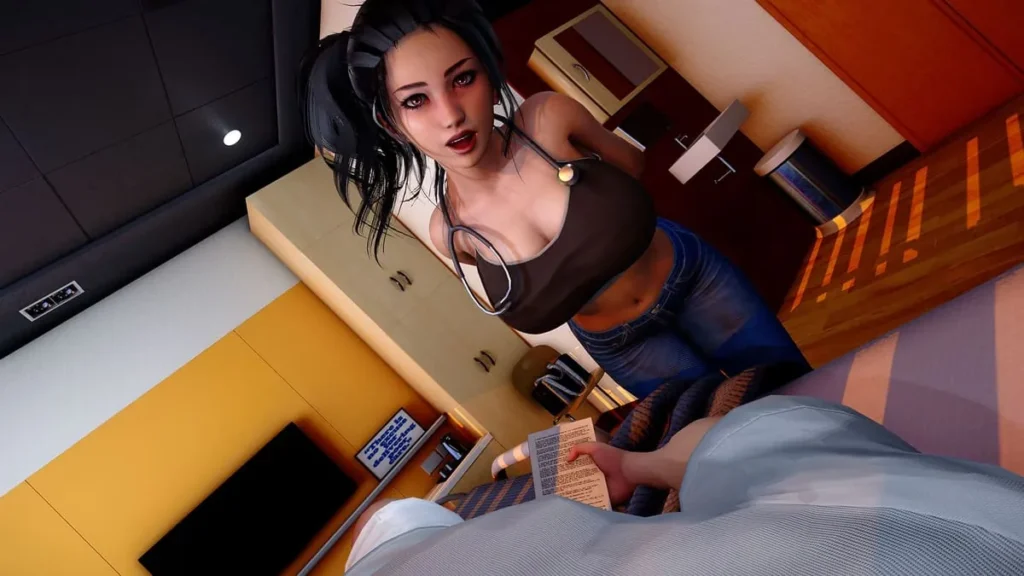
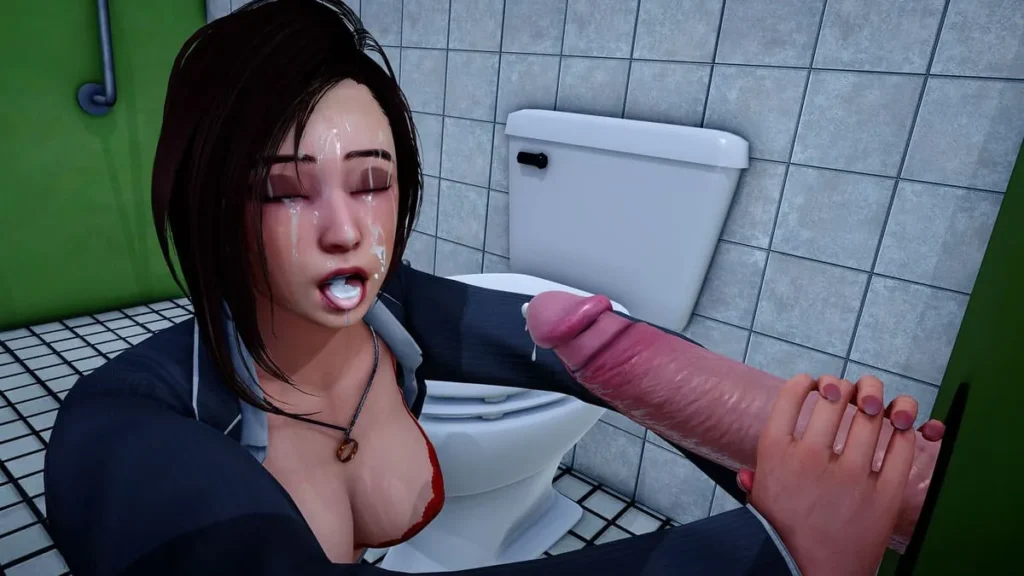
Between Humanity review
Exploring narrative pacing, character development, and mature storytelling in visual novels
Between Humanity stands out in the adult visual novel landscape as a masterclass in narrative restraint and character-driven storytelling. Unlike many games that rush into intense content within the first hour, this title takes a deliberate approach to pacing, building anticipation through meaningful character interactions and plot development. Whether you’re a seasoned visual novel enthusiast or curious about story-focused adult games, understanding what makes Between Humanity unique reveals important lessons about game design, player engagement, and mature storytelling. This guide explores the game’s distinctive features, narrative philosophy, and what players can expect from this ambitious project.
What Makes Between Humanity Different From Other Adult Visual Novels
Let’s be honest for a second. When you hear “adult visual novel,” what’s the first thing that pops into your head? For many, it’s a very specific image: a game that might pay lip service to a story, but one where the primary draw is fast, frequent, and often disconnected intimate content. The narrative feels like a flimsy excuse, a hallway connecting one explicit scene to the next. 🚪➡️🚪
That’s precisely the mold Between Humanity shatters.
This isn’t just another title in the crowded genre; it’s a deliberate and thoughtful rebuttal to the “instant gratification” model. Instead of treating its mature themes as the destination, Between Humanity treats them as one possible, hard-earned outcome of a rich, evolving human experience. It’s a masterclass in slow burn game narratives, where the journey of connection is infinitely more compelling than the fleeting moment of consummation. 🔥
The difference isn’t subtle—it’s foundational. It’s in the lingering glances that carry more weight than a rushed encounter. It’s in the conversations about fear, hope, and past trauma that build a person, not just a love interest. This is a game that understands a profound truth: anticipation is its own powerful form of payoff. By prioritizing character-focused narrative games mechanics, it creates a level of player investment that cheaper thrills can never mimic.
So, what exactly sets this experience apart? Let’s pull back the curtain on the visual novel storytelling techniques that make Between Humanity a standout title for players craving substance with their style.
The Art of Pacing: Why Slow Burns Matter
Pacing is the invisible conductor of any story. It dictates the rhythm of revelation, the space for emotion to breathe, and the buildup of tension. In most story-driven visual novels, pacing is often sacrificed at the altar of keeping the player “engaged” with frequent rewards. Between Humanity flips this script entirely. Its adult visual novel pacing is patient, deliberate, and psychologically savvy.
Think of it like a gourmet meal versus fast food. One is a rushed experience that satiates a base hunger but is quickly forgotten. The other is a multi-course journey where each flavor is appreciated, each ingredient matters, and the final dish feels like a celebration. 🍽️ Between Humanity is the gourmet meal. It understands that for a moment of true intimacy to land, to feel meaningful and real, it must be built upon a foundation of shared experiences, vulnerabilities, and trust.
This isn’t about withholding content; it’s about building value. The game’s structure across its initial chapters is a testament to this philosophy. By Chapter 4, in many typical titles, the protagonist might have experienced several explicit encounters. In Between Humanity, by Chapter 4, you are still deeply in the process of knowing the characters. You’ve navigated awkward first meetings, shared moments of quiet understanding, faced external conflicts, and perhaps had a single, tense moment of charged possibility—a touch, a confession, a kiss that holds the promise of more.
The psychological impact is profound. Immediate gratification triggers a quick dopamine hit, but it’s shallow and fleeting. Anticipation, however, builds a deeper, more complex emotional response. It’s the difference between a sparkler and a carefully stoked campfire. One fizzles out in seconds; the other provides lasting warmth and light. By making you wait and work for those moments of closeness, Between Humanity ensures they feel earned. When a character finally lets their guard down, it feels like a victory you both achieved, not a checkbox you ticked.
To see this philosophy in action, let’s look at a comparison of narrative progression. This table highlights where Between Humanity invests its time versus the common pace of the genre.
| Game / Narrative Milestone | Typical Progression by Chapter 2-3 | **Between Humanity** by Chapter 4 |
|---|---|---|
| Depth of Character Backstory Revealed | Surface-level traits, maybe one key secret. | Layered exploration of past trauma, core fears, personal dreams, and family dynamics. |
| Primary Relationship Status | Often physically intimate; relationship defined by attraction. | Building deep emotional trust and friendship; relationship defined by mutual understanding and support. |
| Player’s Emotional Investment Driver | Physical attraction and pursuit of scenes. | Protective instincts, emotional resonance, and a desire to see the character heal and thrive. |
| Role of “Adult Content” | The central goal and primary reward mechanism. | A potential, natural expression of a relationship that has reached a significant threshold of emotional intimacy. |
This approach to narrative restraint in games isn’t a limitation; it’s the game’s greatest strength. It transforms the experience from a passive consumption of scenes into an active participation in a growing, changing bond.
Character Development Over Instant Gratification
If the pacing is the symphony’s tempo, then character development is its melody. In Between Humanity, characters are not destinations; they are journeys. The game is a premier example of character-focused narrative games, where every interaction, every choice, and every line of dialogue is in service to revealing who these people are—flaws, scars, hopes, and all. 🎭
The common trope in many adult titles is the “walking desire” character: a person whose personality is a thin veneer over their role as an object of attraction. Between Humanity vehemently rejects this. Its characters feel like they existed before you hit “New Game.” They have histories that hurt, jobs that stress them out, friends they bicker with, and dreams that seem out of reach. Your role isn’t to “conquer” them, but to witness them, and perhaps, to become a meaningful part of their ongoing story.
This focus on relationship building in visual novels changes everything. Instead of making choices that simply increase a “affection” meter toward a scene unlock, you’re making choices that demonstrate your character’s values. Do you press someone for details about a painful memory, or give them space? Do you offer pragmatic help, or emotional support? These decisions don’t just track “points”; they shape the very nature of your connection. Are you a safe harbor? A pushy outsider? A trusted confidant?
The game treats adult content not as a random insertion, but strictly as a natural progression of these carefully constructed relationships. It’s the difference between a kiss that happens because “it’s time for a kiss in Chapter 3,” and a kiss that happens because you’ve just spent an hour of game time talking on a rooftop, sharing your deepest insecurities, and the emotional weight of the moment pulls you together. One feels scripted; the other feels spontaneous and real, a direct result of the intimacy you’ve cultivated.
This method respects the player’s intelligence. It assumes you are invested in the people, not just the pixels. The payoff is no longer a singular scene, but the ongoing, satisfying richness of the relationship itself. The joy comes from making someone laugh after a bad day, from seeing them stand up for themselves because of your encouragement, from the quiet comfort of simply being together. These are the moments Between Humanity values, and in doing so, it creates a story that lingers in your mind long after you close the game. 💭
Building Anticipation Through Narrative Restraint
Restraint is perhaps the most underrated tool in a storyteller’s kit. In a medium where you can technically show anything, the conscious decision not to show becomes incredibly powerful. This is the cornerstone of Between Humanity’s design philosophy: the use of narrative restraint in games to fuel anticipation and deepen emotional impact. It’s the art of the “slow burn,” and the game is a virtuoso performer.
The developer’s vision is clear: forced content breaks the spell of belief. When intimate moments are shoehorned in without narrative justification, they feel transactional and empty. They remind the player they’re playing a game following a formula. Between Humanity seeks to maintain what developers call “the magic circle”—the player’s belief in the world and its stakes. Every element, especially mature content, must serve the story and characters logically, or it risks breaking that delicate immersion.
“For us, it was never about seeing how quickly we could get to ‘the good stuff.’ That mindset completely misses the point. The real good stuff is the quiet conversation that reveals a hidden fear, the shared silence that speaks volumes, the moment of vulnerability that changes a relationship forever. If we just force two characters together because the player expects it, we’ve betrayed everything we’ve built. The content has to feel like an organic, believable next step for these specific people, in this specific situation, or it has no place in our story. We trust our players to appreciate the journey as much as the destination.”
This philosophy of visual novel storytelling techniques means the game masterfully uses subtext, implication, and charged silence. A hand that almost touches another but pulls away. A sentence left unfinished because the emotion is too raw. These “negative spaces” in the narrative are where the player’s imagination and emotional investment actively work, building anticipation that is far more personal and potent than any explicit depiction could be. It’s the principle that the scariest monster is the one you never fully see, and the most powerful romantic connection is the one you feel building in the spaces between the words. 🤫
This slow burn game narratives approach creates what I call “emotional memory.” You remember the time you helped a character fix their broken-down car, the lame joke you told that made them smile for the first time all day, the way they looked at you when they said thank you. These are the bricks that build the relationship. When a moment of physical intimacy finally occurs, it’s not just a scene; it’s the culmination of all those remembered emotions. It has the weight of shared history behind it.
This is the ultimate differentiator of Between Humanity. It’s a game that believes in the intelligence and emotional capacity of its players. It’s not afraid to ask for your patience, because it promises—and delivers—a payoff that is infinitely more rewarding. It stands as a bold statement in the world of story-driven visual novels, proving that the most adult thing a story can do is not to show skin, but to show soul. And in doing so, it doesn’t just tell a story about relationships; it makes you feel what it’s like to truly build one, one careful, honest, and beautifully restrained moment at a time.
Between Humanity represents a thoughtful approach to adult visual novel design that prioritizes narrative integrity and character authenticity. By embracing slow-burn pacing, the game creates space for meaningful character development and allows intimate content to feel earned rather than arbitrary. The developer’s commitment to logical relationship progression, varied character personalities, and thematic depth demonstrates that mature games can deliver sophisticated storytelling alongside engaging gameplay. For players seeking visual novels that respect their intelligence and investment, Between Humanity offers a compelling alternative to games that sacrifice narrative quality for immediate gratification. Whether you value character-driven stories, complex relationship systems, or simply well-crafted mature entertainment, this title merits attention as an example of what’s possible when developers prioritize substance alongside style.