AlwaysFan
Play AlwaysFan
AlwaysFan Screenshots























AlwaysFan review
Dive into Branching Stories, Romance, and Immersive Choices
Imagine stepping into a world where every choice reshapes your destiny—that’s the thrill of AlwaysFan, the gripping visual novel from AtemX Games. As Chris, a young guy rebuilding after losing his parents, you navigate romance, drama, and darker twists with 10 captivating characters and over 160 animated scenes. I remember my first playthrough; one seemingly small decision locked me into a path of intense obsession that kept me hooked for hours. This guide uncovers everything from branching narratives to steamy encounters, helping you master AlwaysFan and unlock its full potential. Ready to shape your story?
What Makes AlwaysFan a Must-Play Visual Novel?
I still remember the first time I loaded up AlwaysFan. I was just looking for a new story to get lost in, something to distract me for a few hours. What I found wasn’t just a distraction—it was a whole world that demanded to be lived in. At its heart, the AlwaysFan visual novel asks a deceptively simple question: How do you rebuild your life when the foundation has been violently ripped away? This isn’t just another dating sim; it’s a raw, intricate exploration of grief, choice, and consequence that completely redefined what I expect from the genre.
The moment you meet Chris, the AlwaysFan protagonist Chris, you feel the weight of his reality. His parents are gone, victims of a brutal crime in a city that seems to have moved on without them. You don’t just watch his pain; you inhabit it. That initial emptiness, that quiet apartment filled with ghosts of a happier past, is your starting point. And right from the jump, the game hands you the reins and whispers, “Okay, what now?” This is the brilliant hook of the AlwaysFan story. You’re not along for the ride; you are the ride. Every choice, from the seemingly mundane to the morally monumental, stitches together the fabric of Chris’s new existence. So, if you’re wondering what is AlwaysFan game really about? It’s about authorship. It’s about taking a broken young man and deciding, piece by fragile piece, who he becomes.
Unpacking the Core Story and Protagonist Chris 🎭
Let’s talk about Chris, because he is the lens through which you experience this entire world. He’s not a blank slate or a power fantasy. He’s a specific person with a specific trauma, and your role is to guide his response to it. This specificity is what makes him so compelling. You feel his vulnerability, his moments of dark humor, his flashes of anger. Playing as Chris made me realize that many protagonists in choice-driven games are merely avatars for the player’s whims. Chris is different. He has his own history, his own temperament. Your decisions feel less like commanding a puppet and more like steering a real person through a storm. You can’t make him someone he’s fundamentally not; you can only influence the path his inherent qualities take.
This brings us to the genius duality at the core of the AlwaysFan story. The game presents you with two profound, divergent narrative philosophies almost immediately. 🕊️⚖️
The first path is one of healing. It’s about Chris slowly picking up the pieces. It’s choosing to reconnect with old friends, to find solace in new hobbies, to seek healthy romance, and to honor his parents’ memory by building a good life. This route is surprisingly warm and life-affirming, filled with moments of genuine connection and personal growth. It’s a beautiful story about overcoming darkness with light.
The second path… is something else entirely. This is where AlwaysFan truly separates itself from the pack. You can guide Chris down a rabbit hole of obsession. Instead of healing, he becomes consumed by his parents’ case. He might start digging into the city’s corrupt underbelly, making shady alliances, and crossing moral lines he never imagined he would. This narrative strand transforms the game from a tender romance-drama into a gripping, tense thriller. The same supportive characters from the “healing” path might now become tools, obstacles, or accomplices in his dangerous quest. It’s a stunning testament to the game’s writing that both paths feel equally valid, compelling, and heartbreaking in their own ways.
Why Branching Narratives Change Everything 🌳➡️🌲
Most games with choices give you the illusion of consequence. You pick Option A, and a slightly different scene plays. AlwaysFan operates on a different level entirely. Its branching narratives are the central nervous system of the entire experience. We’re not talking about a “good” branch and a “bad” branch. We’re talking about a sprawling, organic decision tree where early, seemingly innocent choices quietly plant seeds that blossom into entirely different story ecosystems hours later.
Here’s a personal example from my first playthrough. Early on, Chris runs into an old family friend, a detective working his parents’ cold case. The detective is brusque, overwhelmed, and tells Chris to leave it to the professionals. I had Chris respond with polite understanding. Fast forward 10 hours of gameplay: I was fully on the “healing” path, focusing on art and a sweet romance. When I finally circled back to the investigation storyline, that detective was vaguely helpful but distant. He saw Chris as a victim, not an ally.
On my second run, craving a different flavor, I made Chris push back. I had him get angry, demanding answers. That single, early moment of defiance completely rewired his relationship with that character. Later, that same detective, impressed (or perhaps concerned) by Chris’s tenacity, began to leak small pieces of information, pulling Chris deeper into the criminal world. That one dialogue choice didn’t just change a scene; it fundamentally altered a key character’s role in the narrative and unlocked an entire chain of events I never saw the first time.
This is the magic of branching narratives in AlwaysFan. It creates an unparalleled sense of replayability. Your first playthrough might be a heartfelt romantic drama. Your second could be a paranoid conspiracy thriller. Your third? A tragic tale of corruption and loss. It genuinely feels like playing three different games within the same incredible framework. And this all feeds directly into the legendary AlwaysFan multiple endings. We’re not talking about a simple “A, B, or C” conclusion. The ending you get is the cumulative result of hundreds of micro-choices across every facet of Chris’s life—who he loved, who he betrayed, what he sacrificed, and what he discovered. Unlocking them all isn’t a checklist; it’s an archaeological dig into the narrative’s soul.
My #1 Tip for Playing: Commit to your choices on your first run. Don’t save-scum. Don’t reload to see what “would have happened.” Live with the consequences. The anxiety, the joy, the regret—that’s where the true immersion of the AlwaysFan visual novel lives. You can always explore the other branches later.
Key Features That Set AlwaysFan Apart ✨
So, what are the technical and design pillars that make this sprawling narrative possible? Let’s break down the machinery behind the magic.
First, the foundation: AlwaysFan is built on Ren’Py, the renowned visual novel engine. But the developers haven’t just used it; they’ve stretched it to its limits. The AlwaysFan Ren’Py implementation is seamless, allowing for buttery-smooth transitions, complex variable tracking for all those branching choices, and a user interface that gets out of the way and lets the story shine. It’s a masterclass in using accessible tools to create professional, polished results.
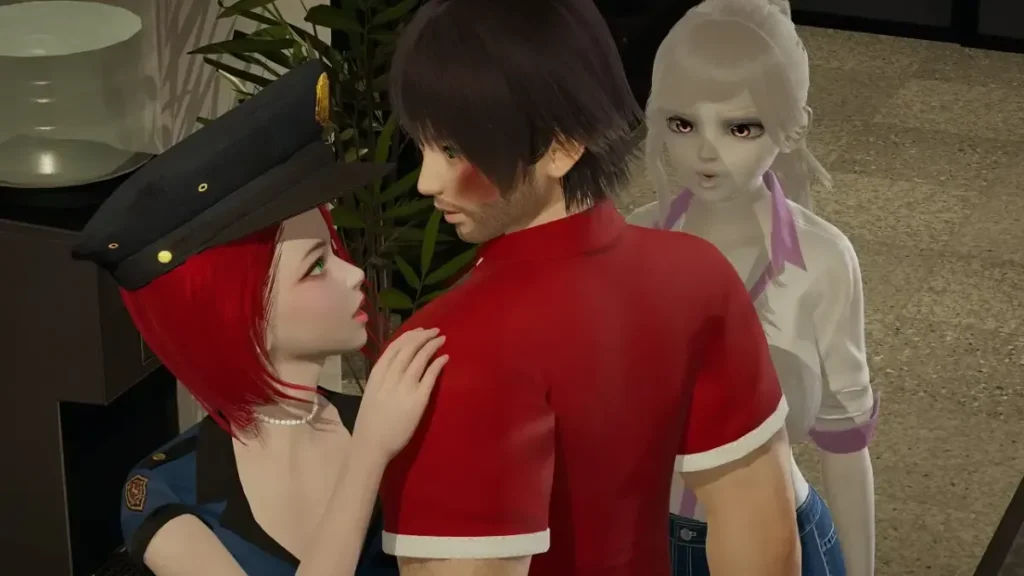
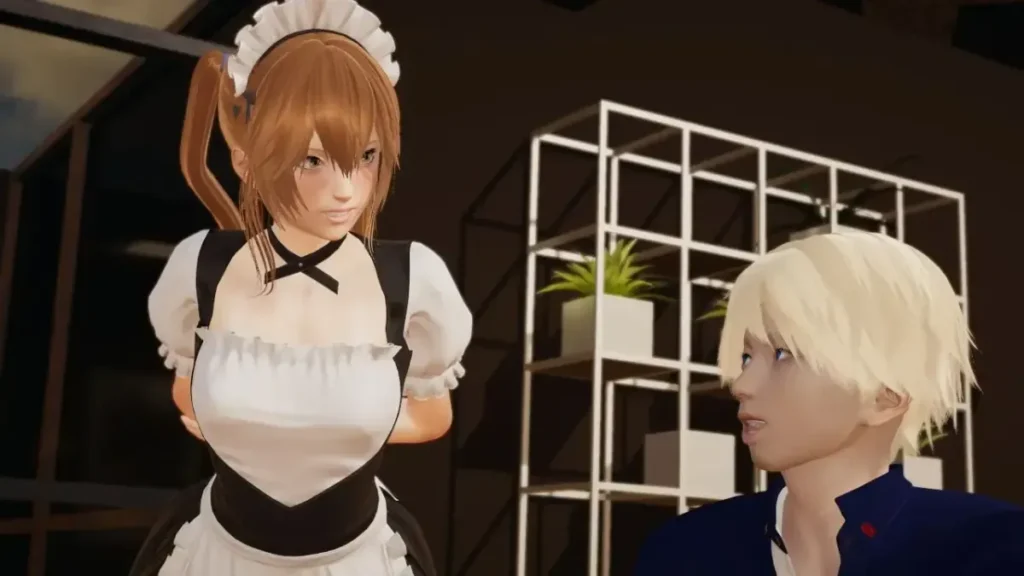
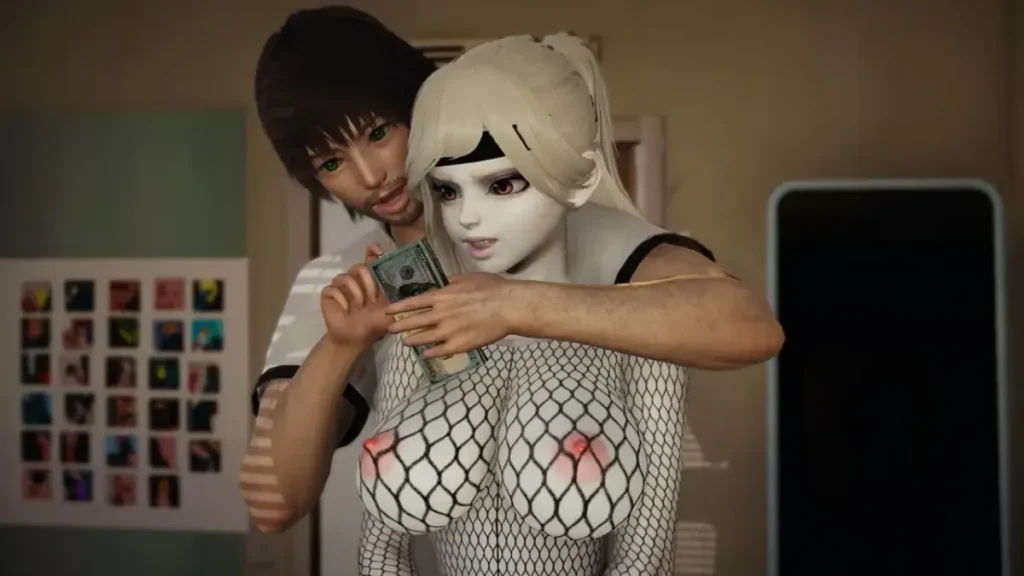
Then, there’s the sheer volume of content. We’re talking over 160 animated scenes. This isn’t just a series of static images with text boxes. Characters blink, breathe, and express nuanced emotions. Rain streaks down windows, city lights flicker in the distance, and subtle animations bring every key moment to vivid life. It’s a constant visual reward that deepens your connection to the world.
The world itself is a character. The city and its inhabitants operate on independent schedules. Characters aren’t just waiting for you to click on them. They have jobs, hobbies, and lives. You might miss a crucial conversation if you’re in the wrong part of town at the wrong time. This makes the world feel stubbornly real and encourages you to explore every corner of it.
And oh, the romance. With 10 fully realized, romanceable characters, the possibilities for connection are vast. Each character has their own intricate storyline, complete with its own branching paths and endings that weave into the main plot. Pursuing the bookish librarian leads to a different version of Chris than pursuing the ambitious journalist or the troubled artist. These aren’t side quests; they are integral threads in the larger tapestry of the AlwaysFan story.
Finally, the retroactive achievement system is a stroke of genius. Instead of locking you into a single “route” from the start, it recognizes the complex web of your choices. You might unlock an achievement for a story beat halfway through the game that you set in motion hours earlier with a seemingly unrelated decision. It makes every playthrough feel uniquely yours.
To see how these elements stack up against a more standard visual novel, let’s break it down:
| Feature | Typical Visual Novel | AlwaysFan |
|---|---|---|
| Choice Impact | Often linear; choices may change a single scene or lead to one of a few set endings. | Organic, cascading impact. Early choices subtly reshape character relationships, plot availability, and world state, leading to vastly different mid-games and endings. |
| Animated Scenes | Limited, often used only for special moments or not present at all. | Over 160 fully animated scenes used consistently to enhance emotion and immersion in everyday and dramatic moments. |
| World Interaction | Characters and locations are typically static, available when the plot needs them. | A “living world” where characters have independent schedules. Exploration and timing are key to uncovering subplots and secrets. |
| Replayability Feel | Replaying to see a few different scenes or an alternate ending. | Feels like playing entirely different genres (romance, thriller, drama) due to deeply branched narratives and systemic choice tracking. |
So, why is AlwaysFan a must-play? 🤔 It’s because it respects your intelligence and your time. It trusts you with a fragile, complex character and a world full of shadows and light, then steps back. It understands that the most powerful stories aren’t the ones told to us, but the ones we help tell. Whether you’re here for the heartwarming romance, the gritty mystery, or the sheer narrative ambition, the AlwaysFan visual novel delivers an experience that lingers long after you close the game. It’s not just a title in your library; it’s a collection of potential lives for Chris, each waiting for you to hit “New Game” and begin the journey again.
To wrap up, here are the top five features that make this game unforgettable:
- A Protagonist With Depth: Guiding AlwaysFan protagonist Chris through grief and growth is a uniquely personal and impactful experience.
- Truly Branching Pathways: The branching narratives in AlwaysFan create tangible, meaningful consequences that make every playthrough distinct.
- A Living, Breathing World: Characters with their own lives and over 160 animated scenes make the city feel alive and immersive.
- Diverse Romantic & Narrative Arcs: With 10 romance options and dual core story paths (healing vs. obsession), the AlwaysFan story offers staggering variety.
- The Weight of Every Choice: The system leading to AlwaysFan multiple endings ensures your decisions, big and small, truly matter, making you the author of the tale.
AlwaysFan isn’t just a game—it’s a personalized adventure where your choices craft romance, drama, or obsession with stunning animated scenes and deep characters. From Chris’s heartfelt journey to the replayable branching paths, it delivers emotional highs and immersive lows that linger long after. My tip? Dive in fully, experiment with paths, and savor the consequences. Grab AlwaysFan today, commit to your decisions, and uncover the stories only you can create. Your epic tale awaits—what path will you choose?