Play After the Inferno
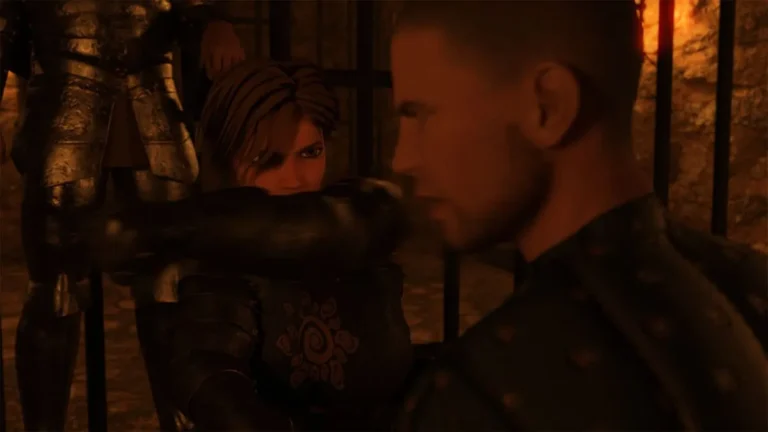
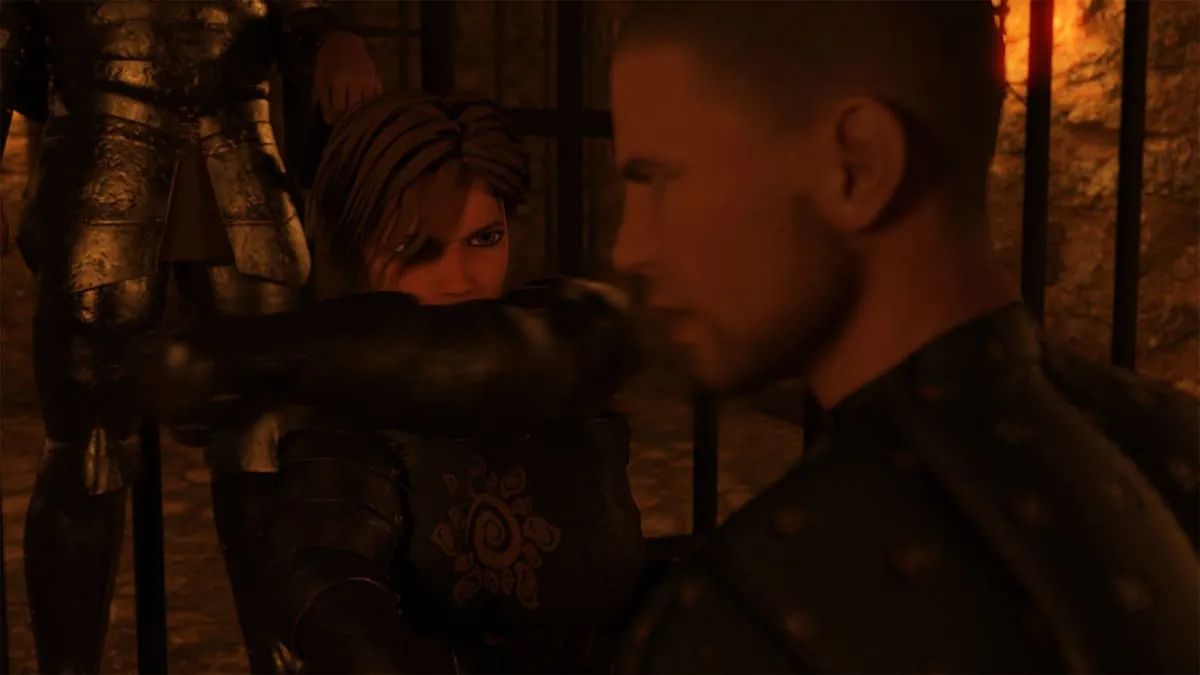
After the Inferno Screenshots
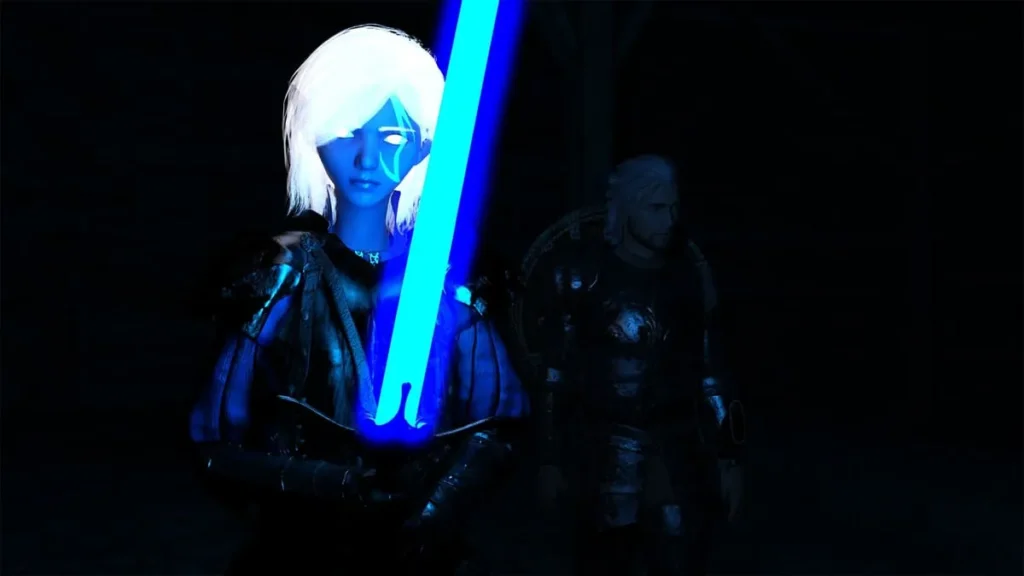
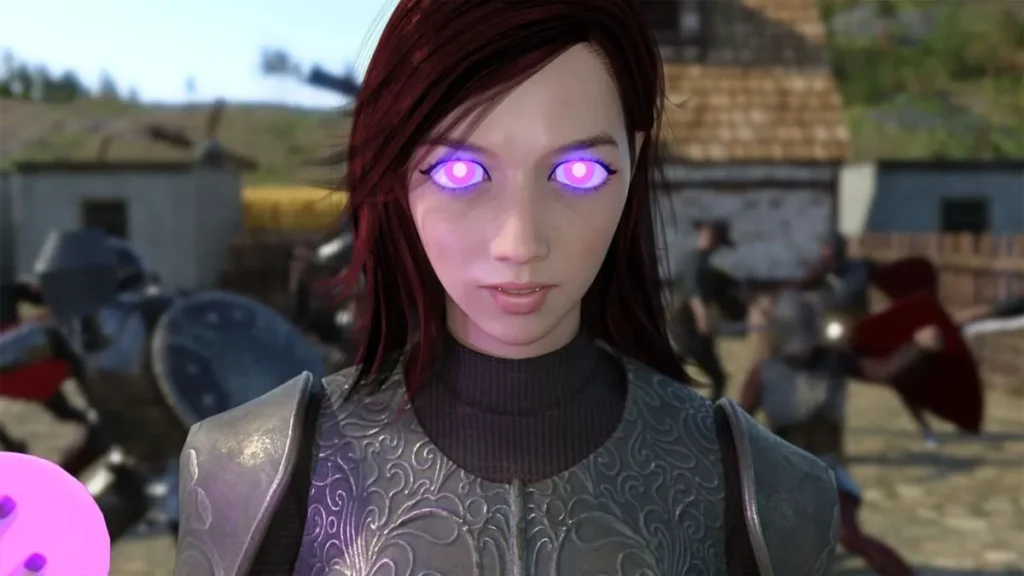
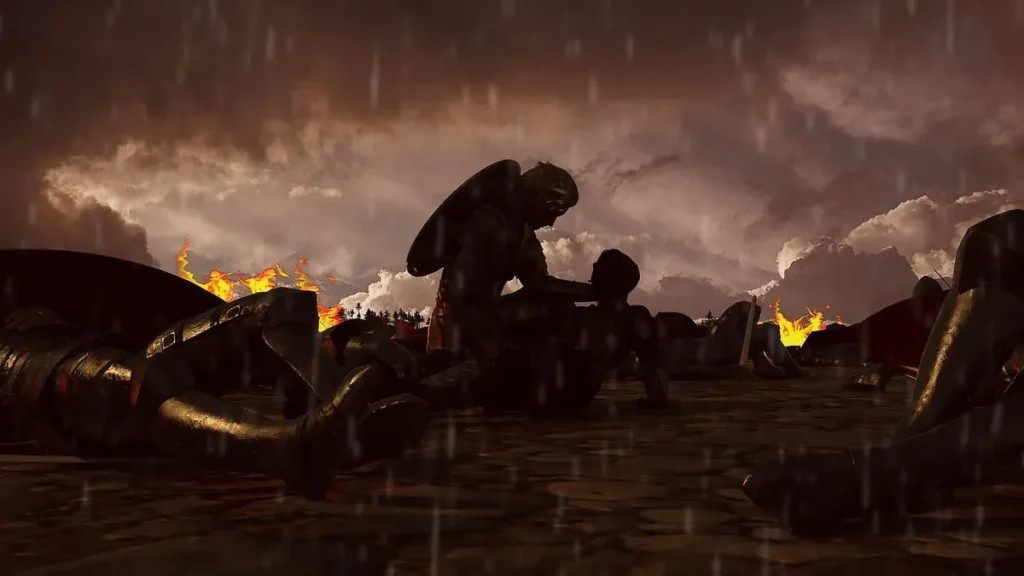

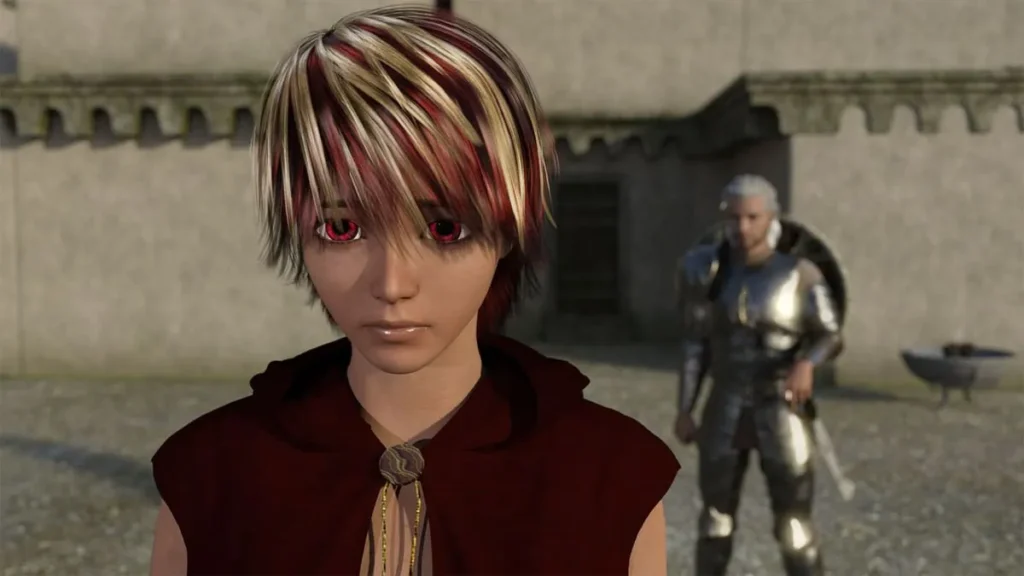
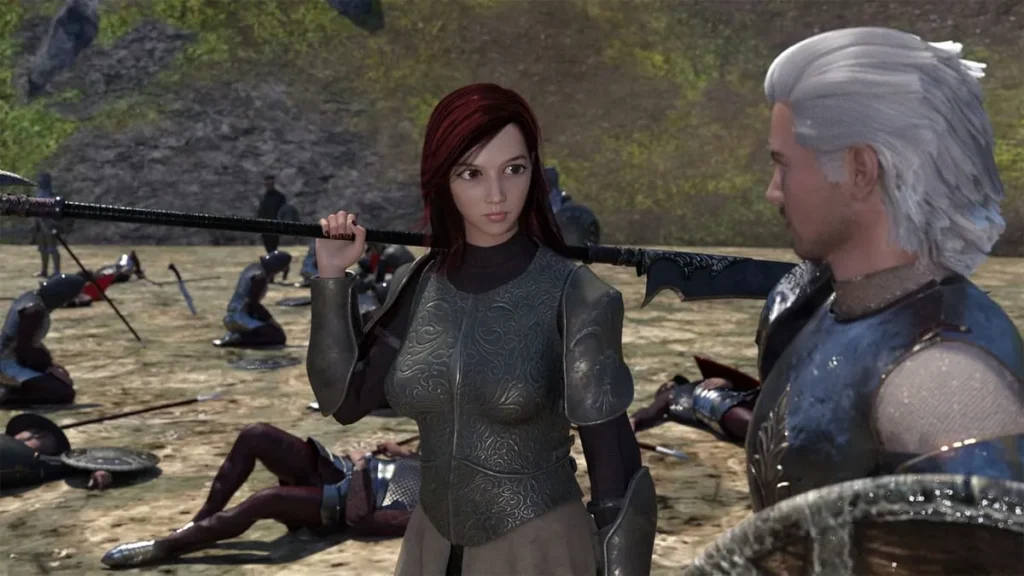
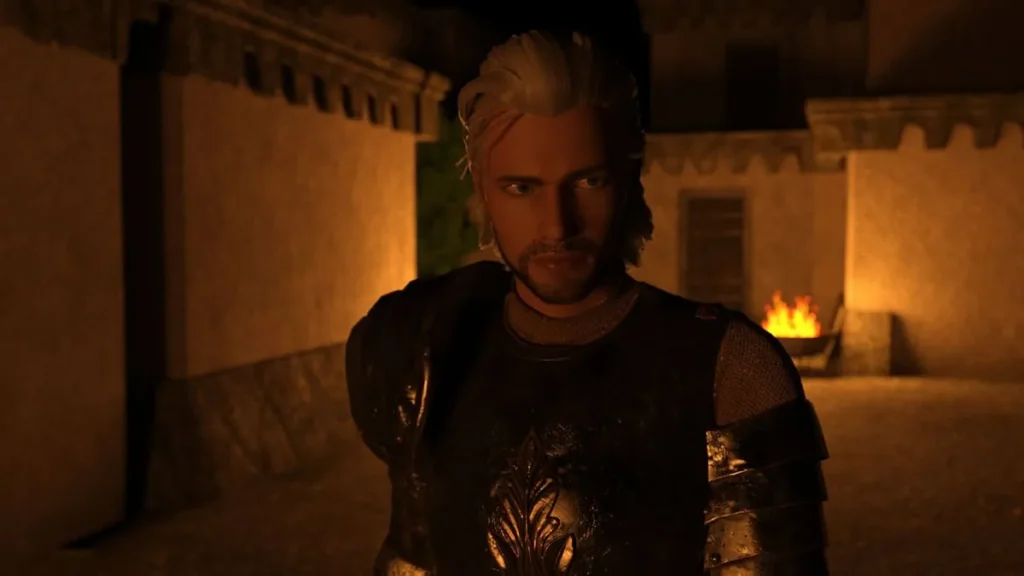

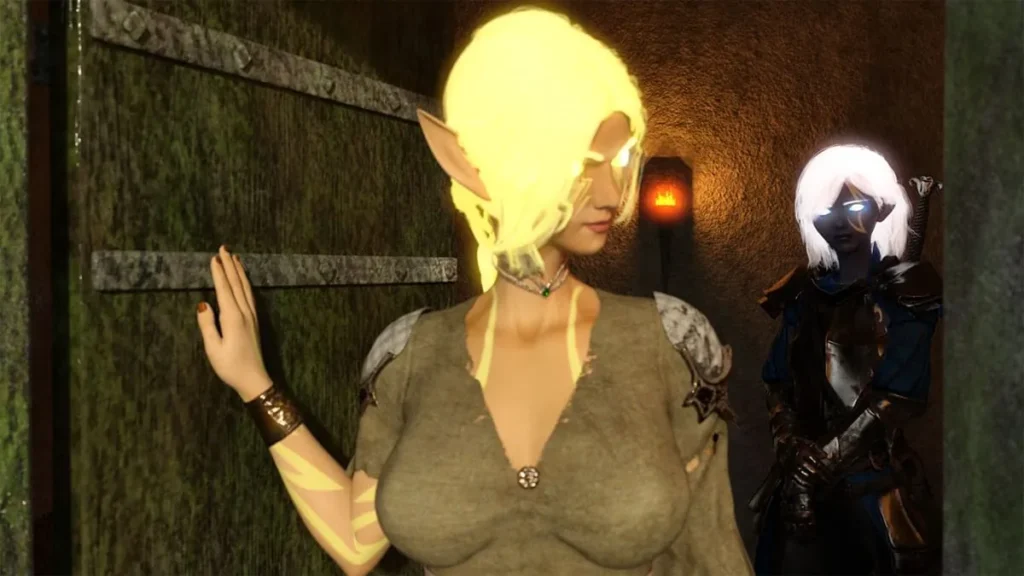
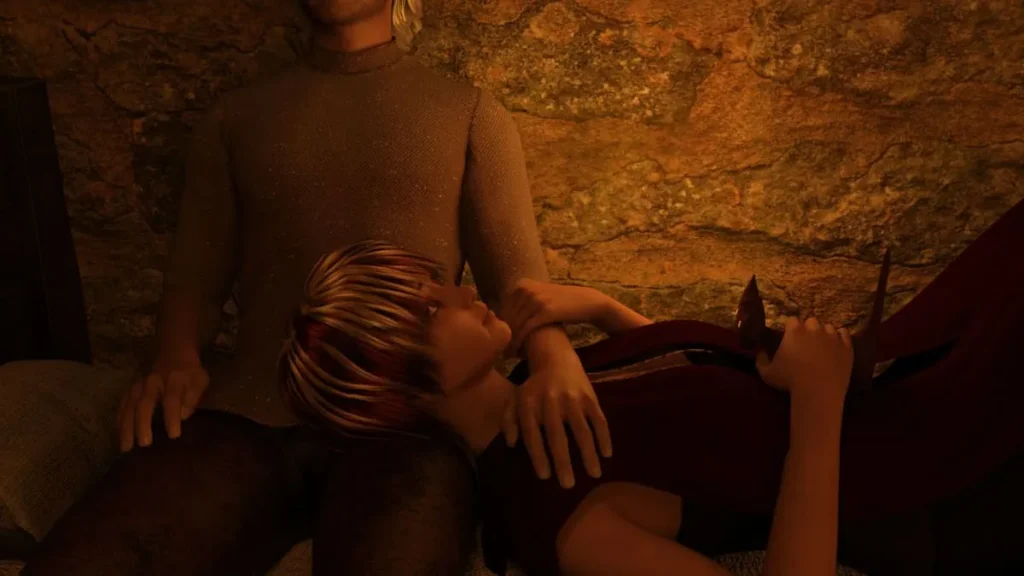
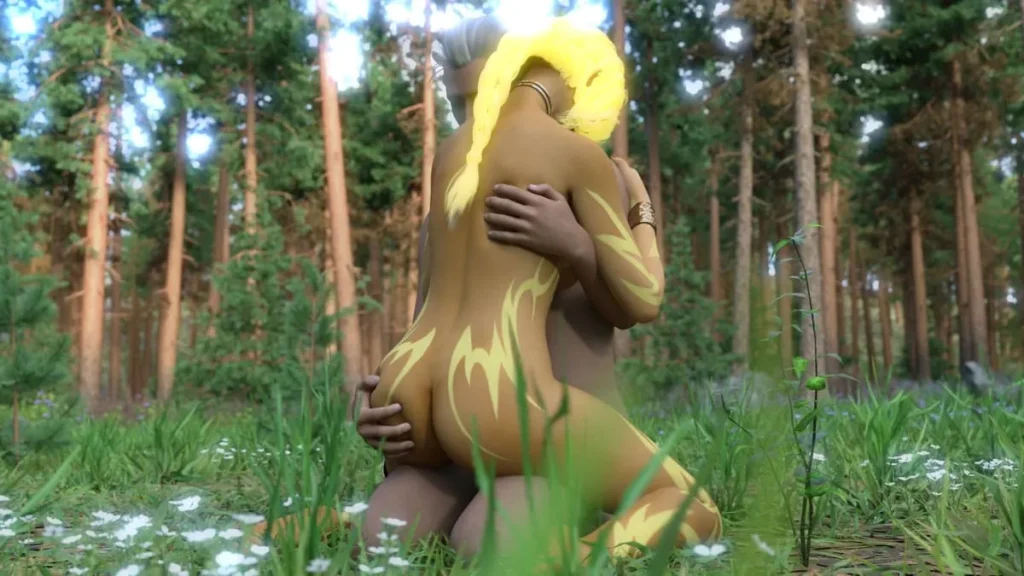
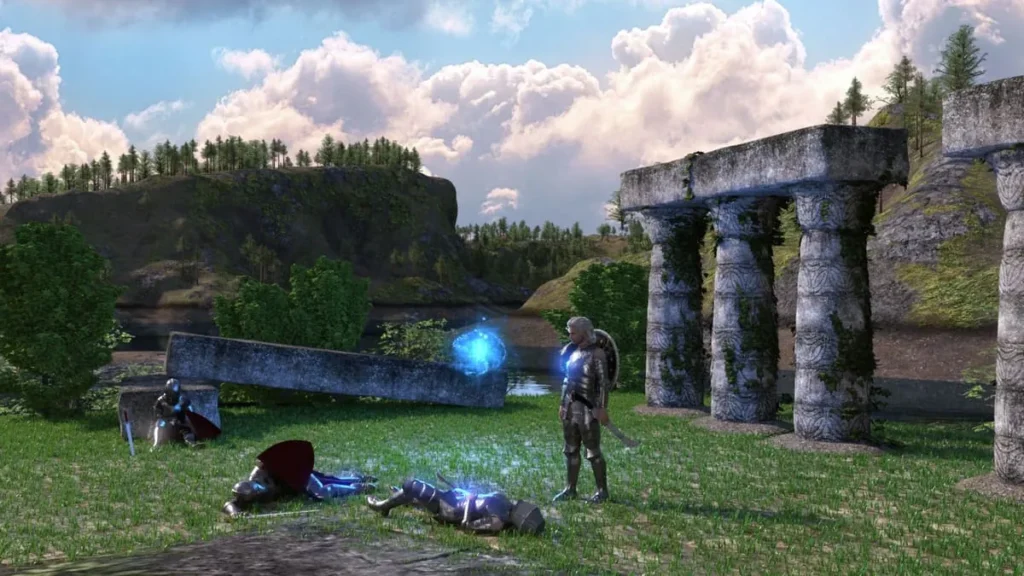
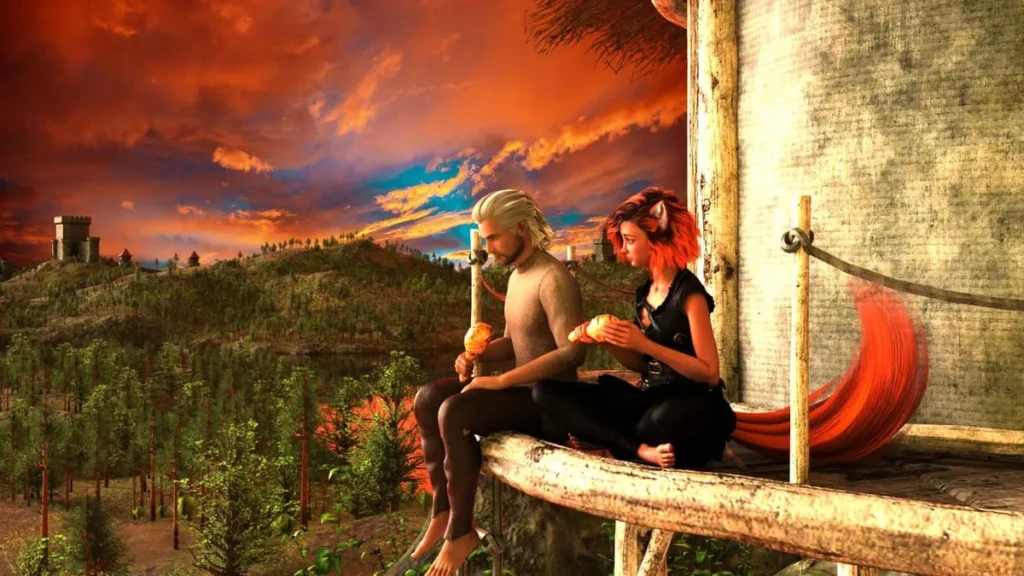
After the Inferno review
Dive into the spicy story, choices, and steamy scenes of this captivating game
Imagine stepping into a world where every choice leads to fiery passion or unexpected twists—that’s the thrill of After the Inferno. This visual novel hooked me from the first scene with its blend of deep storytelling and optional animated encounters that feel integral to the journey. As Devran, you’ll navigate complex relationships and lore-rich settings post some cataclysmic event, making decisions that shape your path. Whether you’re here for the narrative depth or the spicy visuals, After the Inferno delivers longevity and replayability. I’ve sunk hours into it, unlocking multiple endings, and I’m excited to share what makes this game a standout in the genre. Let’s explore why it’s worth your time.
What Makes After the Inferno a Must-Play Visual Novel?
I’ll be honest, I almost scrolled right past it. 🫣 Another visual novel in a crowded market? But something about the artwork for After the Inferno caught my eye—a stunning blend of dark fantasy and raw, emotional character portraits. I downloaded it on a whim, expecting maybe an hour of distraction. Cut to 3 AM, my coffee cold, utterly gripped by a world in ashes and the man tasked with rebuilding it. I wasn’t just playing a game; I was living the After the Inferno story.
So, what is After the Inferno about at its core? You play as Devran, a man returning to a shattered continent after a cataclysmic war against demonic forces. This isn’t a simple victory lap; it’s a gritty, political, and deeply personal reconstruction project. You’re not just a warrior; you’re a leader, a diplomat, and a man with a past, navigating fragile alliances, ancient grudges, and the very human scars left by war. The After the Inferno visual novel masterfully makes you feel the weight of every decision, where rebuilding a tavern can be as consequential as choosing a side in a religious conflict.
This brings us to the heart of its brilliance. Let’s dive into what truly makes this game unforgettable.
How Does the Story Unfold After the Inferno?
The narrative in After the Inferno is a slow burn that erupts into a roaring fire. 🏔️ The game doesn’t just tell you the world is rich; it gives you the tools to understand it. This is where the After the Inferno codex becomes your best friend. It’s not a dry glossary but a living document that fills with details about the world’s unique locations, complex religions, and the deep histories of every character you meet. Consulting it doesn’t feel like homework; it feels like uncovering secrets, making the world feel tangible and lived-in.
The After the Inferno story is propelled by your choices as Devran. Will you be a pragmatic leader, a compassionate healer, or a cunning strategist? The game expertly weaves your personal journey with the fate of entire regions. I remember one playthrough where I prioritized economic alliances, only to discover much later that my choice had inadvertently empowered a faction with a sinister agenda. The twist was gut-wrenching and brilliant—it felt earned, not random, because the game had laid the groundwork through subtle clues and character dialogues.
This brings me to a crucial piece of practical advice: use multiple save slots religiously. The After the Inferno visual novel is designed for exploration. A choice in Chapter 2 might ripple out and completely change your options in Chapter 5. Having dedicated saves at key decision points lets you experience the staggering branching narratives without losing dozens of hours of progress. Trust me, you’ll want to see how different alliances and relationships play out!
Why Are the Animated Scenes So Integral?
Let’s talk about the elephant in the room: the animated intercourse scenes. 🎬 If you’re thinking they’re just titillating add-ons, you’d be missing the point entirely. In After the Inferno, these moments are narrative extensions. They are optional intimate scenes in After the Inferno that you can skip without any penalty to your progress, but doing so might mean missing key character development.
The game frames intimacy as a facet of connection, trust, and sometimes, political alliance. A particular line of dialogue from one character always stuck with me: “Think of it as… research. Not sexual. Well, not only sexual.” It’s a perfect, self-aware summary of how the game approaches these moments—they are about deepening understanding between characters. While the visual focus is often biased toward female forms, the writing works hard to ensure these scenes feel consensual and character-driven, not exploitative.
To see how these elements work together to create the full package, here’s a breakdown of the game’s core features:
| Feature | Description | Player Benefit |
|---|---|---|
| Story Depth | A lore-heavy, political fantasy narrative with long-term consequences. | Provides a compelling, novel-like experience that goes far beyond simple romance. |
| Scene Options | Animated intimate scenes are skippable and woven into character arcs. | Offers control over your experience and ensures narrative pacing is always in your hands. |
| Replayability | Multiple branching paths and endings determined by **Devran gameplay choices**. | Encourages multiple playthroughs to uncover all story variations and outcomes. |
| Codex Utility | An in-game encyclopedia that auto-updates with lore, character bios, and location histories. | Deepens immersion and understanding without overwhelming the main story dialogue. |
| Save Slots | Ample save slots to bookmark major decision points. | Empowers players to explore every narrative branch without constant backtracking. |
What Choices Impact Your Journey in After the Inferno?
This is where After the Inferno truly shines and defines itself as a top-tier visual novel. Your Devran gameplay choices are monumental, yet the game refuses to punish you for personal exploration. 🗡️💞
- Freedom in Relationships: Unlike many narrative games, there’s no “jealousy” mechanic that locks you into a single path early on. You can explore connections with multiple characters. The choice to commit (or not) is a meaningful narrative beat in itself, not a hidden trap. This creates a wonderfully organic feeling where relationships develop at their own pace.
- Political and Moral Weight: Every decision, from how you allocate scarce resources to which faction you support in a dispute, shapes the world. Will you rebuild the library or the barracks first? Your choice will affect which characters trust you and what opportunities become available later. The After the Inferno story makes you feel the consequences of leadership.
- Defining Devran: Beyond the major plot choices, you constantly define who Devran is through his dialogues. Is he sardonic, gentle, authoritative, or weary? These personality choices subtly influence how characters react to you, opening up unique dialogue branches and even altering certain scene outcomes.
My personal insight? The game’s greatest strength is treating all its elements—politics, romance, war, and intimacy—with the same level of narrative seriousness. The optional intimate scenes in After the Inferno are just one piece of a much larger puzzle about connection and consequence. The After the Inferno codex ensures you understand the stakes, and your Devran gameplay choices let you navigate them.
In terms of replay value, it’s exceptional. 🎮 After my first playthrough (which easily spanned many, many hours), I immediately started a new game. I made different Devran gameplay choices, pursued a different romantic path, and focused on alternative political allies. It felt like a genuinely new story, with whole scenes and character dynamics I had missed the first time. That’s the mark of a deeply layered After the Inferno visual novel.
So, what is After the Inferno about in the end? It’s about the ashes we rise from and the connections that make rebuilding worthwhile. It’s a masterclass in choice-driven storytelling, where every element, from its steamy moments to its dense lore, serves a deeper character and narrative purpose. If you’re looking for a visual novel with substance, heart, and incredible depth, your next obsession is waiting.
FAQ
Q: Can you skip scenes in After the Inferno?
A: Absolutely! All animated intercourse scenes are completely optional and can be skipped with a single click. Your story progress is never blocked by them, allowing you to tailor the experience to your comfort level.
Q: How many endings does After the Inferno have?
A: The game features multiple major endings, heavily influenced by your key political alliances and core relationships throughout the story. Countless smaller variations based on your choices make each player’s conclusion unique.
Q: Is After the Inferno male protagonist only?
A: Yes, you play exclusively as Devran, the male protagonist. The story is deeply tied to his specific history, perspective, and role in the post-war world.
After the Inferno stands out with its rich narrative, flexible choices, and optional steamy moments that enhance without defining the experience. From my multiple playthroughs, the codex and save system make it endlessly replayable, uncovering new lore and paths each time. If you’re craving a visual novel that balances story depth with excitement, grab it now—start a new save, dive into Devran’s world, and see where your decisions lead. You won’t regret the adventure.